
Flowers
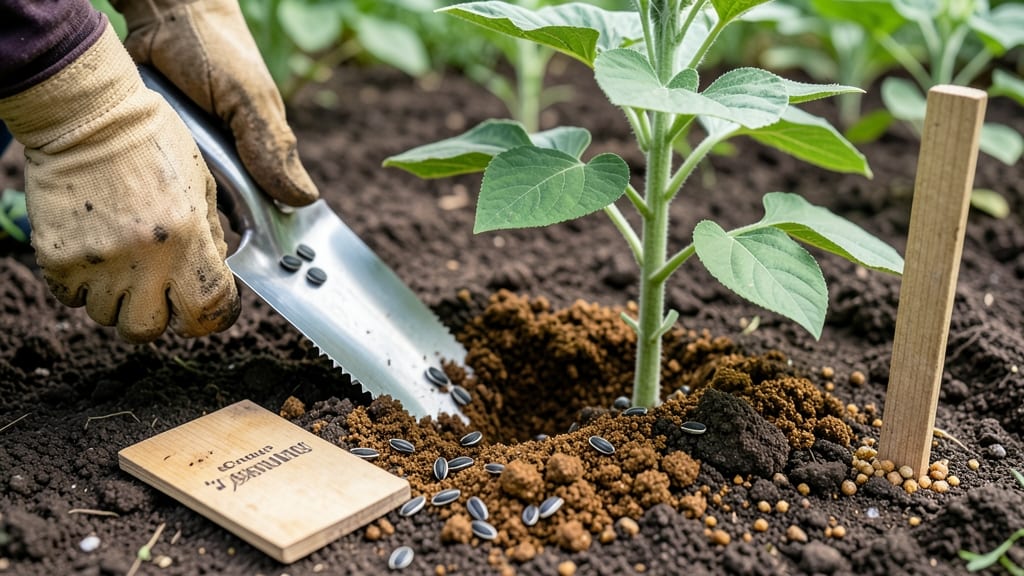
Planting sunflowers in Alabama depends on timing soil temperatures and avoiding late frosts—aim for mid-April to mid-June or late July to early August for the best results.
You’ve got the perfect climate for these towering beauties 🌻, but planting too early risks frost damage, while waiting too long can shorten their bloom time. Alabama’s USDA Zones 7B-8A offer two ideal windows: spring for early summer flowers and summer for fall harvests.
Most gardeners skip starting seeds indoors—they germinate quickly in warm soil—but dwarf varieties can be a bit more delicate. The key is waiting until the ground reaches at least 55°F and planting seeds 1 inch deep for strong roots.
Below, I’ll break down the exact months by region, how to adjust for Alabama’s microclimates, and the simple care routine to keep your sunflowers thriving from seed to sun.
Optimal sunflower planting months in Alabama (zone 7B-8A)
Alabama’s USDA Zones 7B-8A offer perfect conditions for sunflowers, but timing matters. Plant too early, and frost can damage tender seedlings. Plant too late, and your blooms may arrive just as summer fades. The ideal window balances soil warmth and frost-free days to maximize growth and flowering.
Most Alabama gardeners focus on spring planting (mid-April to mid-June), but a second, lesser-known window exists in late summer (late July to early August). This fall planting trick works best for dwarf varieties or regions with milder winters, like southern Alabama. Let’s break down the exact timing for your area.
🌱
For North Alabama (Zone 7B), stick to spring planting after your average last frost date (typically mid-March in Huntsville, late March in Birmingham). In South Alabama (Zone 8A), you can push spring planting slightly later—even early April works for areas like Mobile or Dothan.
The key is soil temperature: seeds need at least 55°F to germinate reliably.
Direct-sowing is easiest for sunflowers. Transplanting is possible but risky—sunflowers have delicate taproots that break easily. If you’re growing large varieties (10+ ft), give them plenty of space (2-3 ft apart) and plant in well-draining soil.
Dwarf varieties (like ‘Teddy Bear’) can handle closer spacing (1 ft apart) and even container growing.
🌻
Fall planting in Alabama is tricky but doable for fast-maturing dwarf varieties. Sow seeds in late July to early August for blooms in September-October. Choose varieties like ‘Autumn Beauty’ or ‘Moulin Rouge’—they mature in 70-80 days, giving them time to flower before frost.
Avoid this method for tall varieties; they won’t have enough time to establish before winter.
Watch for regional microclimates. Urban areas like Birmingham can be 5-10°F warmer than rural zones, delaying frost. Use your local Cooperative Extension Service frost data or a frost calendar app to fine-tune your planting dates.
For example, Montgomery’s Zone 8A has a longer frost-free season than Chattanooga’s Zone 7B.
Pro tip: Test your soil’s pH (6.0-7.0 ideal) and amend with compost before planting. Alabama’s clay-heavy soils drain poorly when wet, leading to root rot. Raised beds solve this problem perfectly for sunflowers.
☀️
How to adjust planting for Alabama’s microclimates and sunflower varieties
Alabama’s diverse landscapes—from urban heat islands in Birmingham to rural highlands in the Appalachians—create unique growing conditions for sunflowers. Microclimates can shift ideal planting times by 2-4 weeks, so adapting your approach is key.
For example, ‘Moulin Rouge’, a fast-germinating variety, thrives in hot, urban zones where soil warms quickly, while ‘Autumn Beauty’ needs cooler high-altitude starts to avoid bolting.
Start by identifying your local microclimate. Urban areas like Huntsville or Montgomery often experience 5-10°F hotter soil temperatures than rural zones, allowing earlier spring plantings. In contrast, mountain regions (e.g., DeKalb County) may need to delay until soil reaches 60°F to avoid frost damage.
Use a soil thermometer to confirm readiness—55°F is the minimum for germination.
For fast-germinating varieties like ‘Moulin Rouge’, aim for 30-40 days to maturity—ideal for cut flowers. These thrive in urban gardens where space is limited. In contrast, ‘Russian Giant’ takes 100-120 days and needs full sun for maximum height.
Plant these in rural areas with 6+ feet of clearance to avoid shade competition.
Adjust watering based on your microclimate: Urban zones may need daily watering in summer due to heat islands, while rural areas can stretch to bi-weekly deep watering.
Use drip irrigation to keep foliage dry, reducing powdery mildew risks in Alabama’s humid summers. Mulch with straw to retain moisture and suppress weeds.
Monitor deer and squirrel activity, especially in high-altitude zones. Plant ‘ProCut’ in raised beds or use chicken wire cages for young seedlings. In urban gardens, companion planting with marigolds deters pests naturally. For fall plantings, choose dwarf varieties like ‘Teddy Bear’ to avoid winter damage.
Alabama’s microclimates reward adaptability. By matching variety, location, and planting time, you’ll enjoy sunflowers from spring to frost. Start with one variety per microclimate, then expand as you refine your timing. Happy growing! 🌻