
Flowers
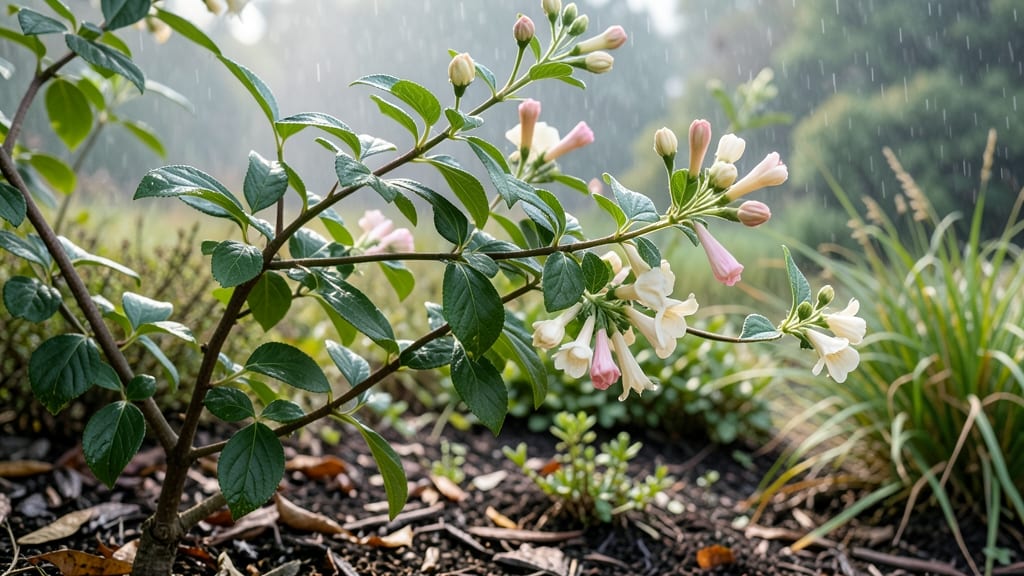
Honeysuckle flowers bloom in late spring through summer 🌸, but the exact timing depends on your USDA zone and variety.
If you’ve ever waited patiently for those fragrant, trumpet-shaped blooms to appear only to be met with silence from your vine, you’re not alone. The key to success? Understanding how climate, sunlight, and even pruning habits can shift the blooming window by weeks—or even months.
In USDA Zone 6a (like much of the Midwest), most honeysuckle varieties burst into color between May and July, while southern climates may see flowers as early as April. Some hardy types even rebloom in fall, giving you a second chance at those sweet, nectar-rich blooms that hummingbirds adore.
Below, I’ll break down the month-by-month schedule for your zone, plus the three simple tricks to coax earlier—or more abundant—flowers from your vine. No more guessing when to expect (or encourage) those signature blooms!
Honeysuckle flowering timeline by USDA Zone: what to expect each month
Honeysuckle’s fragrant blooms are a garden highlight, but their timing varies wildly across USDA zones 3-10. In colder climates like Zone 3-5, expect late spring blooms, while Zones 7-10 often enjoy summer-long displays.
Understanding these patterns helps you plan for peak fragrance and pollinator visits—especially for Lonicera sempervirens (trumpet honeysuckle) and Lonicera periclymenum (European honeysuckle).
Most honeysuckle varieties bloom once per year, but some, like Lonicera japonica, may produce secondary blooms if pruned correctly. Early bloomers kick off in May-June, while late-season varieties linger until September.
Your local climate and microclimate can shift these windows by weeks—so pay attention to last frost dates and summer heat.
| USDA Zone | Early Blooms | Peak Blooms | Late Blooms | Notes |
|---|---|---|---|---|
| 3-4 | Late May | June-July | Early August | Cold-hardy varieties like Lonicera tatarica thrive here. |
| 5-6 | Early May | June-August | September | Lonicera sempervirens often blooms twice if pruned. |
| 7-8 | April-May | May-July | August-September | Humid climates may extend blooming into fall. |
| 9-10 | March-April | April-June | July-October | Lonicera periclymenum blooms prolifically in mild winters. |
In USDA Zone 3-4, honeysuckle typically waits for warmer temperatures before blooming, often starting in late May. Varieties like Lonicera tatarica (bush honeysuckle) are cold-resistant and handle short growing seasons well. Prune back dead wood in early spring to encourage new growth and earlier blooms.
Gardeners in Zones 5-6 enjoy a longer blooming window, from early May through September. This is ideal for Lonicera sempervirens, the trumpet honeysuckle, which climbs trellises and fences.
To extend blooming, deadhead spent flowers in early summer—this tricks the plant into producing secondary blooms later in the season.
Warmer Zones 7-8 see honeysuckle flowering as early as April, with some varieties like Lonicera japonica (Japanese honeysuckle) blooming year-round in mild winters. These zones also support humidity-loving varieties, which may produce more abundant blooms if kept well-watered during summer heatwaves.
In Zones 9-10, honeysuckle is a year-round performer, with some varieties like Lonicera periclymenum (European honeysuckle) blooming in winter if temperatures stay above 40°F. These climates allow for multiple blooming cycles, but pruning in late winter helps maintain vigorous growth and healthier flowers.
If your honeysuckle isn’t blooming on schedule, check these three key factors: sunlight exposure (6+ hours daily), soil fertility (balanced fertilizer
How climate and variety affect honeysuckle blooming times
Honeysuckle’s blooming schedule isn’t one-size-fits-all—it’s a dance between climate conditions and the specific variety you’ve planted. Some varieties burst into bloom in early spring, while others wait until summer heat triggers their flowers.
Even within the same garden, you might see Lonicera japonica flowering in May and Lonicera tatarica waiting until July. Understanding these differences helps you choose the right plant for your timeline and climate zone.
The key factors influencing when honeysuckle flowers are temperature thresholds, sunlight exposure, and day length. For example, cool-climate varieties like Lonicera sempervirens often bloom earlier in spring when days lengthen, while heat-loving species like Lonicera periclymenum may wait for warmer summer months.
Even within the same species, a northern garden might see blooms weeks earlier than a southern one.
| Variety | Primary Bloom Time | Climate Preference | Bloom Frequency | USDA Zones |
|---|---|---|---|---|
| Lonicera japonica (Japanese Honeysuckle) | Late spring to early summer | Warm to hot climates | Once per year | 5-9 |
| Lonicera tatarica (Tartarian Honeysuckle) | Mid to late summer | Cool to moderate climates | Once per year | 3-8 |
| Lonicera sempervirens (Trumpet Honeysuckle) | Early to mid spring | Cool climates, partial shade | Once per year | 4-9 |
| Lonicera periclymenum (European Honeysuckle) | Summer (June-August) | Moderate to warm climates | Twice per year (spring & summer) | 4-8 |
| Lonicera xylosteum (Fly Honeysuckle) | Late spring to early summer | Cool climates, full sun | Once per year | 3-7 |
If you’re eager to shift your honeysuckle’s blooming time, start with pruning techniques. For example, pruning Lonicera japonica in late winter encourages earlier spring blooms, while delaying pruning until summer can push flowers to appear later.
For varieties like Lonicera periclymenum, which bloom twice a year, avoid heavy pruning—just trim spent flowers to encourage a second flush.
Sunlight also plays a critical role. Most honeysuckle varieties need 6+ hours of sun daily to trigger blooming, but some, like woodland varieties, tolerate partial shade.
If your honeysuckle isn’t flowering, check its light exposure—moving it to a sunnier spot (or providing artificial grow lights in containers) can make a difference. In hot climates, afternoon shade helps prevent stress that delays blooming.
For gardeners in USDA Zones 3-5, cold-hardy varieties like Lonicera tatarica are ideal—they wait until summer heat to bloom, avoiding spring frosts. Meanwhile, Zone 7-10 gardeners can choose from a wider range, including tropical varieties that bloom year-round in mild winters.
To encourage blooms in warmer zones, focus on consistent moisture and balanced fertilization during the growing season.
Pro tip: If your honeysuckle blooms only once a year, try light pruning after the first flush to stimulate a second round of flowers. For varieties like Lonicera periclymenum, this can extend your blooming season from June to September.
Just remember—over-pruning reduces next year’s flowers, so always leave some old wood for next season’s blooms. 🌸