
Flowers
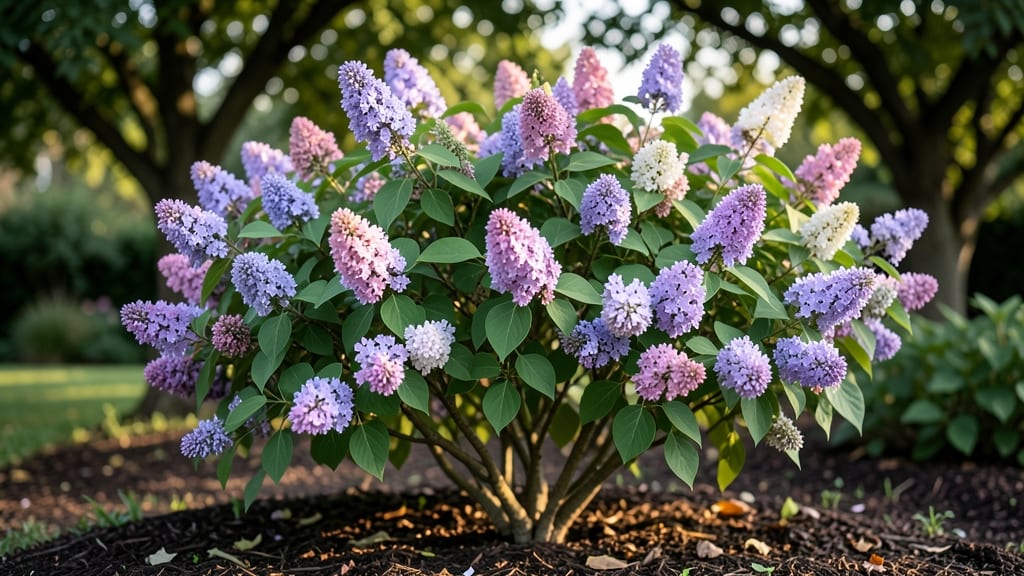
When does lilac flower? The answer is late spring, typically between April and May in most regions, when the air fills with their iconic fragrance and your yard transforms into a purple paradise.
If you’ve ever dreamed of waking up to fragrant blooms that turn heads, timing is everything—lilacs thrive in full sun and well-draining soil, but their exact bloom window depends on your USDA zone.
In cooler climates like Zone 6a, you’ll spot those first buds in early April, while warmer zones like 9 might see them as early as January or February. The key? Planting in early spring and pruning at the right time.
Below, I’ll break down the exact months for your zone, how to extend the blooming season, and the 3 biggest mistakes that delay those show-stopping flowers.
Lilac flowering timeline by USDA hardiness Zone: month-by-month guide
Timing your garden for lilac blooms means knowing your USDA zone—these fragrant shrubs follow precise seasonal cues. In Zone 5, expect April–May displays, while Zone 9 lilacs burst into bloom as early as January–February. Understanding these windows helps you plan for peak fragrance and vibrant colors.
Lilacs are perennial shrubs that rely on chill hours (cold winter exposure) to trigger spring blooms. Early varieties like 'Dwarf Korean' often flower first, while late bloomers like 'Katherine Havemeyer' extend the season. Your zone dictates not just timing but also which varieties thrive best in your climate.
Here’s how to pinpoint your lilac’s bloom window based on your USDA hardiness zone, including early, mid-, and late-season varieties that can stretch your fragrance festival from winter to summer.
In Zones 3-4, lilacs typically bloom in May–June, aligning with cooler spring temperatures. Varieties like 'Neglect' thrive here, offering hardy blooms despite shorter growing seasons. If you’re in Zone 4, plant near a south-facing wall to capture extra warmth and extend the season.
Gardeners in Zones 5-6 enjoy the classic April–May lilac display, with 'Dwarf Korean' often leading the charge. These zones benefit from early spring pruning—cut back stems after blooms fade to encourage next year’s flowers. Avoid heavy pruning in fall, as lilacs need winter dormancy to set buds.
Warmer Zones 7-8 push lilac blooms into March–April, with 'Bloomerang' being a standout for reblooming later in summer. In these zones, mulching with wood chips helps retain moisture during dry spells. Pair lilacs with early bulbs like daffodils for a layered spring show.
Southern gardeners in Zones 9-10 get a head start with January–February blooms, thanks to milder winters. 'Arctic Snow' is a top pick for its cold tolerance and early fragrance. Here, light pruning is key—avoid heavy cuts, as these lilacs bloom on old wood (last year’s growth).
Pro tip: Track your lilac’s bud swell in late winter—this is your cue that blooms are 4-6 weeks away. Use a garden journal to note yearly variations, especially if you’re experimenting with new varieties or microclimate adjustments like windbreaks or reflective surfaces.
For extended blooming, mix varieties with staggered timelines. For example, plant 'Dwarf Korean' (early) alongside 'Katherine Havemeyer' (late) to enjoy 6+ weeks of fragrance. Just ensure all lilacs get 6+ hours of sun and well-draining soil to prevent bud drop.
🌸
How to extend lilac blooming season: pruning, variety selection, and climate hacks
Lilacs are famous for their fragrant spring blooms, but their flowering window can feel too short. With the right strategies, you can coax earlier or later blooms, extending that purple perfume for weeks.
The key lies in understanding your lilac variety, pruning timing, and microclimate adjustments that trick nature into cooperating.
Many gardeners assume lilacs bloom only once a year, but with the right approach, you can push those trumpet-shaped flowers to appear in unexpected months.
Whether you're in Zone 5 or Zone 9, these techniques will help you stretch your lilac's show—sometimes by as much as 4-6 weeks—without sacrificing plant health.
When Lilacs Typically Bloom
- 🌱 Zone 3-4: Late May to early June (after last frost)
- 🌸 Zone 5-6: April to early May (peak spring fragrance)
- ☀️ Zone 7-8: March to April (early spring, before leaf-out)
- 🌿 Zone 9-10: January to February (winter blooms in mild climates)
*Timing varies by variety and microclimate—warmer microclimates can trigger blooms 2-3 weeks earlier.
Start with variety selection—some lilacs are bred for early or late blooming. For example, the 'Dwarf Korean' variety often blooms in March, while 'Katherine Havemeyer' typically waits until late April.
If you want a longer display, plant multiple varieties—their staggered blooming periods create a continuous floral cascade.
Pruning plays a crucial role in timing. To encourage earlier blooms, prune immediately after flowering (not in fall). This removes spent blooms and stimulates next year's buds to form sooner.
For later blooms, delay pruning until June or July—this forces the plant to focus on foliage first, pushing flowers to appear later in the season.
Microclimate adjustments can also shift bloom times. Plant lilacs near south-facing walls or heat-absorbing surfaces to create warmer pockets that trigger earlier blooms. In cooler climates, use windbreaks to protect buds from late frosts. Even a 10°F warmer microclimate can advance blooms by 2-3 weeks.
Don’t forget about watering and feeding. Lilacs need consistent moisture during bud formation (late winter to early spring). Apply a balanced fertilizer (10-10-10) in early spring to support vigorous growth.
Avoid heavy fertilizing in summer or fall, as this can delay next year’s blooms by encouraging late-season foliage growth.
With these strategies, you can turn your lilac into a year-round fragrance machine, even if it’s not its natural timeline. Experiment with varieties, pruning, and microclimates to find the perfect balance for your garden—your nose (and neighbors) will thank you! 🌸