
Flowers
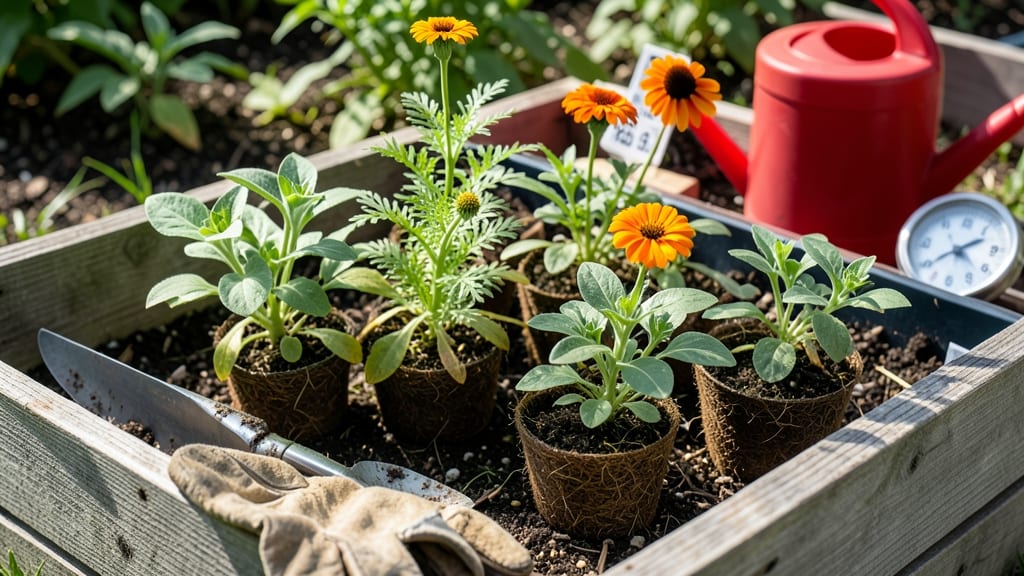
When is it safe to plant flowers outside? You can confidently do so after your last frost date, when nighttime temperatures stay above 50°F (10°C) and the soil warms to at least 50°F.
Timing your flower planting perfectly can mean the difference between vibrant blooms and wilted disappointment—so when exactly is it safe to plant flowers outside? For most USDA Zone 6a gardeners, that window opens around mid-April to early May, but regional variations and flower types complicate things.
Annuals like marigolds and petunias crave warmth and bolt if planted too early, while hardy perennials like lavender can handle a light frost. Below, I break down how to read your local frost dates, test soil temperature, and match your flowers to the right window—no guesswork required.
You’ll learn how to use USDA zone maps, verify frost risk, and even spot the subtle signs your soil is ready (like the blooms on your heat-sensitive plants). Let’s get those 🌸 thriving!
Understanding last frost dates by US planting zones
Timing your flower planting around the last frost date is the single most important factor for successful outdoor gardening. A late frost can devastate tender plants, while planting too early risks stunted growth or death.
The USDA Plant Hardiness Zone Map provides a baseline, but local frost dates—often 2-4 weeks earlier or later—dictate your true planting window.
Each USDA zone (like Zone 5, 7, or 9) represents a 10°F temperature range, but frost timing varies dramatically even within zones. For example, Zone 7 might see its last frost in early March in Florida but late April in Colorado.
This is why gardeners rely on average last frost dates from local weather stations or almanacs to fine-tune their schedules.
Annual flowers like marigolds and petunias are especially sensitive to frost, while perennials such as coneflowers or black-eyed Susans can often handle cooler soil. Understanding these differences helps you choose the right plants for your timeline and climate.
Here’s how to use frost dates and hardiness zones together for foolproof planting:
For annual flowers, the rule of thumb is to wait until nighttime temperatures consistently stay above 50°F (10°C). Use a soil thermometer to confirm—most flowers need soil temps of at least 55°F (13°C) to thrive.
In colder zones, consider starting heat-loving plants like begonias indoors 6-8 weeks before your last frost date.
Perennials and cold-hardy flowers offer more flexibility. Plants like lavender or Russian sage can often handle light frosts, while daylilies may even bloom earlier if planted in fall. Always check the specific plant hardiness ratings—a Zone 5 plant might survive a Zone 4 winter with proper mulching.
Pro tip: Use frost cloth or row covers for 2-3 weeks after your average last frost date to extend the growing season for tender varieties. This is especially useful for vegetable flowers like nasturtiums, which add both color and edible blooms to your garden.
Remember, frost dates are averages, not guarantees. Monitor your local National Weather Service forecasts or use apps like PlantNet to track real-time conditions. A single late frost can wipe out weeks of progress, so patience pays off in a longer, more vibrant bloom season.
Start by mapping your zone, then use the table above as your guide. Once you’ve mastered frost dates, you’ll be ready to tackle soil temperature testing and microclimate adjustments—the next steps to perfect timing for your garden.
How to check local frost dates and soil temperature
Knowing when to plant flowers outside isn't just about checking a calendar—it's about understanding your local climate. Frost can kill tender seedlings overnight, while cold soil slows root growth.
I’ve learned the hard way that planting too early can mean lost blooms, but waiting too long might miss peak flowering seasons. Here’s how I verify frost risk and soil warmth before planting.
First, find your average last frost date using trusted resources like the National Weather Service or USDA Plant Hardiness Zone Map. These tools provide localized frost timelines based on historical data.
For example, my zone (6a) typically sees its last frost around April 15, but I always double-check for the year’s specific forecast. Even a 5°F drop can damage young plants, so I never rely on averages alone.
Next, test your soil temperature—it’s just as critical as air temperature. Most flowers thrive when soil is at least 50°F (10°C). I use a soil thermometer (only $10!) to check the temperature 2-3 inches deep, where roots will grow.
If it’s still chilly, I wait or use row covers to protect seedlings. Pro tip: Morning is the best time to test—soil warms up fastest then.
- 📅 Check Last Frost Date: Use National Weather Service or USDA Zone Map for your area. Bookmark your local agricultural extension office updates for real-time alerts.
- 🌡️ Test Soil Temperature: Insert a soil thermometer 2-3" deep. Wait until it hits 50°F (10°C) for most flowers (warmer for tropical varieties like marigolds).
- 🌱 Use Heat-Sensitive Plants: Plant calendula or basil as "canaries in the coal mine"—if they thrive, your flowers will too. These plants won’t survive frost.
- ⏰ Monitor Nighttime Temps: Even after last frost, 32°F (0°C) nights can harm seedlings. Use a minimum-maximum thermometer to track overnight lows.
- 🛡️ Prepare for Surprises: Have row covers or a cloche ready for late frosts. I’ve saved petunia seedlings multiple times this way!
I also rely on heat-sensitive plants as natural indicators. For example, calendula and basil bolt (flower prematurely) in cold soil, while pansies actually thrive in cooler temps. By planting these first, I get a real-time read on whether conditions are safe for my prized annuals like impatiens.
It’s like having a living thermometer in my garden!
Don’t forget to account for microclimates in your yard. A south-facing wall or paved area can warm up faster than open ground, creating pockets where you can plant 2-3 weeks earlier.
I’ve started marigolds near my brick patio in early April, while other areas still had frost risk. Always scout your space for these hidden warm spots.
Finally, combine all these checks with a 7-day forecast before planting. Even if soil is warm, a 5-day frost warning means delaying. I’ve used this method for years, and my flower beds now bloom consistently—no more sad, wilty seedlings! The key is patience and preparation.
With these steps, you’ll know exactly when it’s safe to plant flowers outside—no more guessing. Happy gardening! 🌸