
Flowers
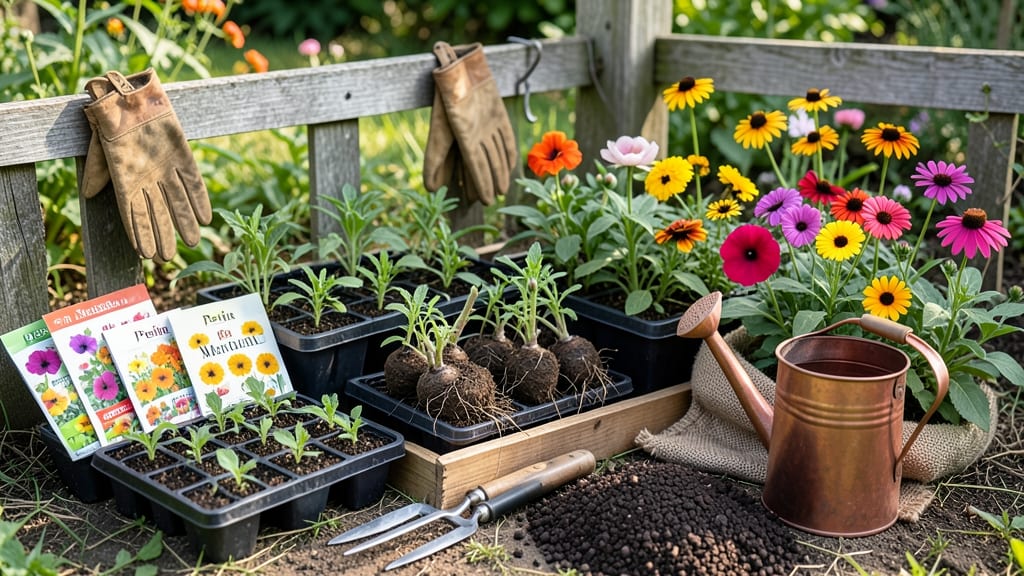
Planting flowers in Ohio at the right time means the difference between a burst of color all season and a sad, stunted garden 🌸 — and the window is narrower than you think.
Ohio’s unpredictable spring weather can turn a beautiful flower garden into a gamble—unless you plant at the perfect time. Missing the frost-free window by even a week could mean wilting blooms or stunted growth, but timing it right ensures vibrant, long-lasting flowers from May through October.
Most Ohio gardeners in Zone 6a should aim to plant cool-season flowers like pansies and snapdragons as early as late March, while warm-season favorites like zinnias and marigolds wait until after the last frost, usually around mid-April.
But regional microclimates mean urban areas may need to wait an extra week or two compared to rural spots.
In this guide, I’ll break down the exact frost-free deadlines by flower type, share pro tips to extend your bloom season, and help you avoid common mistakes that leave Ohio gardens looking half as stunning as they could be.
Ohio’s frost-free planting zones: when to plant flowers by region
Ohio spans USDA Hardiness Zones 5b through 6b, meaning your planting timeline depends heavily on where you live.
The average last frost date ranges from mid-April in southern Ohio to early May in the northern regions, but microclimates—like urban heat islands or sheltered valleys—can shift these dates by 1-2 weeks.
For example, Columbus (Zone 6a) typically sees its last frost around April 15, while Toledo (Zone 5b) may not be frost-free until May 1. Understanding these nuances helps you avoid frost damage to tender seedlings.
Cool-season flowers like pansies, snapdragons, and sweet alyssum thrive when planted 4-6 weeks before your last frost date. These hardy annuals can handle light frosts and even bloom through winter in milder zones.
In contrast, warm-season favorites such as zinnias, marigolds, and sunflowers need to wait until after the soil warms to 60°F, usually 2-4 weeks after your last frost.
Perennials like coneflowers and black-eyed Susans can be planted in early spring or fall, but spring planting gives them a head start.
Urban gardeners often face warmer microclimates due to concrete and buildings retaining heat. This can mean earlier planting windows by 1-2 weeks compared to rural areas.
For instance, a backyard in downtown Cleveland might be safe for warm-season plants by May 10, while a farm in northeast Ohio could still see frost until May 15. Always monitor local weather forecasts and use frost-free date calculators from your county extension office for precision.
Here’s a quick reference for Ohio’s frost-free planting zones, including adjustments for urban vs. rural areas and the ideal planting windows for both cool-season and warm-season flowers:
Bulbs like tulips and daffodils should be planted in fall (October-November) to establish roots before winter, but spring-blooming bulbs like crocuses can be planted as early as September in southern Ohio or October in the north.
For perennials, early spring planting (March-April) gives them time to establish before summer heat, while fall planting (September-October) reduces competition from weeds and pests.
If you’re unsure about your local frost dates, use frost-sensitive plants as indicators. For example, plant a few tomato seedlings in late April—if they survive, your warm-season flowers are likely safe.
Alternatively, invest in a minimum-maximum thermometer to track soil temperatures, which should stay above 50°F for 5-7 days before planting warm-season flowers. This simple tool can save you from costly mistakes.
For gardeners in Zone 5b, where frosts linger later, consider staggered planting. Start cool-season flowers in early March, then add a second batch in early April to extend your bloom time.
In Zone 6b, you can even try early spring sowings of heat-loving flowers like cosmos or sunflowers under row covers to get a jump on the season. Just be prepared to protect them if frost warnings arise.
Don’t forget that soil temperature matters more than air temperature. Use a soil thermometer to confirm warmth—60°F is ideal for warm-season flowers, while 50°F is sufficient for cool-season varieties.
If your soil is still cold, wait a few more days or use black plastic mulch to warm it faster.
Best flower varieties for Ohio’s short growing season: early vs. late planting guide
Ohio’s short growing season demands strategic planting to maximize blooms. Some flowers thrive when planted before the last frost (as early as March), while others need to wait until soil warms in May.
The key? Matching your flower varieties to Ohio’s USDA Zone 5b-6b and average last frost dates (April 15).
Cool-season flowers like pansies and snapdragons can handle light frosts and even pre-frost planting (February-March). Meanwhile, zinnias and marigolds need warm soil and should wait until after Memorial Day. Let’s break down the best early vs. late plantings for Ohio’s unpredictable climate.
🌱 Top Flower Planting Timing for Ohio
- 1. Pre-Frost Planting (Feb-Mar) – Pansies, Snapdragons, Sweet Alyssum: Plant 6-8 weeks before last frost for early spring color. These cold-hardy annuals tolerate light frosts and even 32°F temperatures.
- 2. Early Spring (Apr-Mid-May) – Calendula, Dianthus, Larkspur: Transplant after soil reaches 50°F but before May 15 to avoid summer heat stress. Ideal for shade gardens.
- 3. Late Spring (After Memorial Day) – Zinnias, Marigolds, Sunflowers: Wait until soil is 60°F+ and all frost risk has passed. These heat-loving annuals bloom best in full sun.
- 4. Staggered Sowing (Apr-Jun) – Cosmos, Bachelor’s Buttons, Nasturtiums: Sow seeds every 2-3 weeks from April to June for continuous blooms. Perfect for cutting gardens.
- 5. Fall Planting (Aug-Sept) – Chrysanthemums, Asters, Pansies: Plant 8-10 weeks before first frost (early October) for fall-winter color. These thrive in cool evenings.
For perennial flowers like coneflowers or black-eyed Susans, divide and transplant in early spring (March-April) or early fall (September). These hardy plants establish roots before Ohio’s first frost in October, ensuring robust growth next season.
If you’re unsure about frost dates, use row covers or cold frames to protect early plantings. For example, snapdragons planted in March can survive Ohio’s April frosts if covered. Always check soil temperature—cool-season flowers need 50°F+ soil, while warm-season varieties like petunias require 60°F+.
Pro tip: Plant fast-growing annuals like marigolds in late May to fill gaps left by slow-starting perennials. Their drought tolerance makes them ideal for Ohio’s summer heatwaves. Pair them with shade-loving impatiens for a low-maintenance combo that thrives in partial shade.
By aligning your flower varieties with Ohio’s planting windows, you’ll enjoy continuous blooms from spring pansies to fall chrysanthemums. Start with cold-hardy early bloomers, then transition to heat-loving summer stars—your garden will thank you with vibrant color all season! 🌷