
Flowers
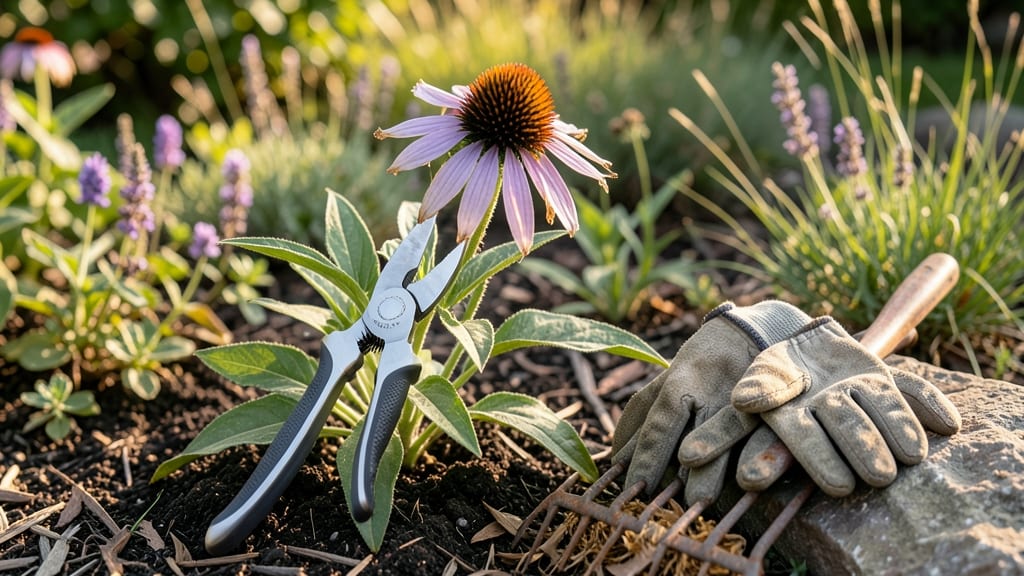
Cutting back coneflowers 🌼 in late fall is the secret to stronger stems and brighter blooms next season—if you do it right.
Struggling to decide when to cut back coneflowers can mean the difference between a vibrant spring rebloom and a struggling plant next season. Timing matters more than you think—and doing it wrong could harm your prized perennial.
Most gardeners wait until after the first frost, but the real key is cutting back before heavy winter rains hit. This prevents disease and gives your coneflowers a clean start in spring.
Below, I’ll walk you through the exact timing, tools, and steps to prune your coneflowers for healthier growth—no guesswork, just proven results.
The science behind coneflower cutback timing: why late fall works best
Coneflowers (Echinacea) are hardy perennials that thrive when given the right care, and timing your cutbacks plays a crucial role in their long-term health. While many gardeners rush to trim back dead foliage in early fall, the biological dormancy cycle of coneflowers actually works against this approach.
Late fall cutbacks—typically between November and December—align perfectly with their natural growth patterns, ensuring a stronger rebloom next season.
Understanding why late fall works best comes down to three key factors: disease prevention, energy reserves, and root protection. Cutting too early removes foliage that shields roots from harsh winter winds and helps the plant store carbohydrates for spring growth.
Meanwhile, waiting too long can leave your coneflowers vulnerable to fungal diseases that thrive in damp, decaying stems over winter.
Here’s how the critical window (November-December) balances these needs: by then, your coneflowers have already completed their blooming cycle and are entering dormancy. Their energy reserves are fully stocked, and the risk of frost damage to new growth is minimal.
This timing also allows you to remove diseased foliage before pathogens spread, while still leaving enough foliage to protect the crown.
🌼
| Timing | Biological Reason | Risk of Cutting Too Early | Risk of Cutting Too Late |
|---|---|---|---|
| Early Fall (Sept-Oct) | Removes protective foliage too soon | Exposes roots to winter winds; reduces energy reserves | N/A |
| Late Fall (Nov-Dec) | Aligns with natural dormancy cycle | Minimal (roots protected by snow) | Minimal (foliage still provides some protection) |
| Winter (Jan-Feb) | Misses optimal energy storage window | N/A | Increased disease risk from decaying stems |
| Spring (March-April) | Disrupts early growth signals | Delays new shoot emergence | High disease risk from wet spring conditions |
The ideal cutback height is another critical detail. Aim to trim your coneflowers back to 4-6 inches above the ground. This height allows the plant to retain some protective foliage while removing enough dead growth to prevent disease.
If you cut too close to the crown, you risk damaging next year’s budding points, which form just below the soil line.
Late fall cutbacks also reduce pest populations over winter. Many insects and fungal spores overwinter in dead plant debris. By removing this material in late fall, you eliminate hiding spots for pests that could otherwise infest your garden in spring.
This is especially important for powdery mildew and leaf spot diseases, which are common in coneflowers.
One common misconception is that cutting back coneflowers in late fall will kill the plant. In reality, these hardy perennials are designed to survive winter dormancy with minimal foliage. The key is to time your cutbacks after the first hard frost but before prolonged freezing temperatures.
This ensures the plant has entered dormancy but hasn’t yet been stressed by extreme cold.
For gardeners in warmer climates (Zones 7-10), the window may extend slightly later, into December or even January. The goal remains the same: remove dead growth after the plant has fully gone dormant but before new growth begins in spring.
In these regions, coneflowers may not experience true winter dormancy, so timing is slightly more flexible—but still critical.
Finally, the soil temperature plays a subtle but important role. When soil temps drop below 50°F (10°C), coneflowers shift into dormancy. Cutting back after this threshold ensures you’re not stimulating new growth that could be damaged by frost.
Use a soil thermometer if you’re unsure—it’s a small investment for big results!
By understanding these biological triggers, you’ll give your coneflowers the best chance to rebloom vigorously next season. The late fall window isn’t just a suggestion—it’s a scientifically backed strategy for healthier, more resilient plants.
Step-by-step guide: how to cut back coneflowers without harming the plant
Cutting back coneflowers (Echinacea) at the right time and with the proper technique ensures a healthier plant and more vibrant blooms next season. Many gardeners make the mistake of cutting too early or leaving unsightly stubble, which can invite disease or stress the plant.
The key is to time your cutback correctly—typically in late fall or early spring—and follow a few simple steps to protect your coneflowers during dormancy.
Before you grab your pruners, gather the right tools: clean, sharp pruning shears or a hand pruner are ideal for making precise cuts. Avoid dull tools, as they can crush stems and leave jagged edges that slow healing.
Also, wear gloves to protect your hands from any lingering plant debris or thorns. Once you’re ready, follow these steps to cut back your coneflowers safely and effectively.
Step-by-Step Guide to Cutting Back Coneflowers
-
Step 1: Wait for the Right Time
Cut back coneflowers after the first hard frost (typically November-December in most regions) or in early spring before new growth appears. Avoid cutting in late fall if frost hasn’t occurred yet, as this can expose the plant to cold damage. -
Step 2: Remove All Foliage
Use your pruners to cut back the entire plant to about 2-3 inches above the ground. This removes dead foliage and prevents pests or diseases from overwintering in the plant debris. -
Step 3: Avoid Cutting into Old Wood
Never cut into the woody base of the plant, as this can damage the crown and reduce next year’s blooms. Focus on removing only the above-ground stems and leaves. -
Step 4: Clean Up Debris
Remove all cuttings and plant debris from the garden bed to reduce disease risk. Dispose of the clippings in your yard waste or compost bin (if disease-free). -
Step 5: Apply Mulch
After cutting back, add a 2-3 inch layer of mulch around the base of the plant. This insulates the roots, protects against temperature fluctuations, and retains moisture for spring growth.
One of the most common mistakes gardeners make is leaving stubbly stems after cutting. These can harbor pests or fungi over winter, leading to weaker plants in spring. Always aim for a clean cut just above the crown of the plant.
If you’re unsure whether to cut in fall or spring, opt for early spring—this gives you a clear view of where the new growth will emerge and minimizes the risk of cutting into old wood.
After cutting back, your coneflowers will enter dormancy, a natural process where the plant conserves energy for next year’s growth. During this time, avoid fertilizing, as the plant isn’t actively growing.
Instead, focus on keeping the area around the plant weed-free and well-mulched. In early spring, you’ll notice fresh green shoots emerging—this is your reward for proper cutback timing and technique!
With these steps, your coneflowers will thrive year after year, producing bold, healthy blooms that attract pollinators and add color to your garden. The key is patience and precision—timing your cutback correctly ensures your plants stay strong and vibrant for seasons to come. Happy pruning! 🌼