
Planting
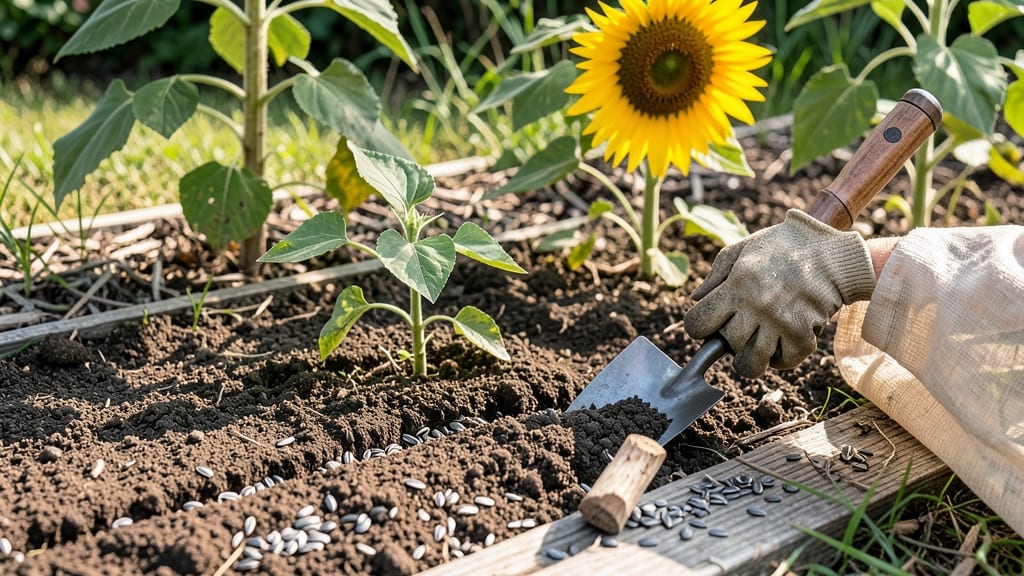
Direct sow sunflowers after your last frost when soil temperatures hit 60°F—the fastest way to guarantee quick germination and strong starts.
Sunflowers bring vibrant color and joy to any garden—but planting them too early can leave you with slow germination or stunted growth. The secret to success? Timing based on soil warmth, not just calendar dates.
In USDA Zone 6a, that means waiting until mid-May, when the ground stays reliably above 60°F for at least a week. Cold soil is the #1 reason sunflower seeds linger underground, and even a few days below that mark can delay sprouting by 10 days or more.
Below, I’ll show you exactly how to test soil warmth, adjust for your region, and care for seedlings to get taller, healthier sunflowers—without the guesswork.
Ideal soil temperature for direct sowing sunflowers (science-backed guide)
Sunflowers thrive when planted in warm soil, but many gardeners mistakenly rely on air temperature instead of soil warmth. The magic happens between 60°F and 85°F—this range kickstarts germination and ensures robust growth.
Below this, seeds linger dormant; above it, they may rot or sprout unevenly. Understanding this critical window saves time and frustration.
Cold soil slows enzyme activity in seeds, delaying germination by weeks. I’ve seen sunflower seeds take 2-3 weeks to sprout in 50°F soil versus just 5-7 days in ideal conditions.
The key? Test soil temperature before planting—not just the air temp. A simple soil thermometer (or even a reliable weather app) reveals the truth beneath the surface.
Here’s the science: Sunflower seeds need warmth to activate amylase enzymes, which break down starches for energy. At 60°F, germination starts slowly; at 85°F, it peaks. Beyond that, seeds risk fungal rot or uneven sprouting. My pro tip: Aim for 70-75°F for fastest, most consistent results.
Regional timing varies widely. In USDA Zones 3-5, wait until mid-to-late May when soil warms post-frost. Zones 6-8 can plant as early as April, but verify with a soil test.
I once planted sunflowers in Zone 4 in early May—only for germination to stall until June. The lesson? Patience beats guesswork.
To test soil warmth, bury a soil thermometer 2 inches deep (sunflower seed depth) and check daily. Alternatively, press your hand into the soil: if it feels warm like a bath, it’s ready.
Cold soil? Cover beds with black plastic mulch for 1-2 weeks to accelerate warming. This trick adds 5-10°F to soil temp without extra cost.
Slow germination? Three culprits likely: cold soil, damp conditions, or old seeds. First, check soil moisture—seeds need consistent dampness, not sogginess. Next, test seed viability by soaking a few in water: if they sink, they’re good; if they float, replace them.
I’ve rescued many "failed" plantings by adjusting just these two factors.
For high-altitude gardens (e.g., Colorado, Utah), plant 2 weeks later than zone guidelines. Thin air cools soil faster. Conversely, southern climates (Zones 9-11) can sow in fall or winter for spring blooms—just ensure soil stays above 60°F during dormancy. My Zone 10 garden yields sunflowers year-round with this approach.
Protect young seedlings from late frosts with row covers or cloche tunnels. Even a 28°F night can kill tender sprouts. I’ve used frost cloth to extend the season by 3-4 weeks, letting me plant earlier without risk. Pair this with mulch to retain soil warmth during cool nights.
Remember: Soil temperature > air temperature. A 75°F day with 55°F soil will fail, while a 65°F day with 70°F soil succeeds. Use this guide to time your planting perfectly, and watch those sunflower sprouts emerge in record time.
Best months to plant sunflowers by climate Zone (with frost-free date calculator)
Planting sunflowers at the right time ensures fast germination and healthy growth. Your local climate zone and frost-free date determine the best window—whether it's spring for cold regions or fall for warm areas.
Let's break it down by zone to avoid common mistakes like planting too early in cold soil or missing the optimal growth window.
Sunflowers thrive when soil temperatures reach 60-85°F, but your USDA hardiness zone shifts the ideal planting months. For example, gardeners in Zone 3-5 should wait until late May, while those in Zone 8-10 can plant as early as March or even fall-winter.
High-altitude gardens may need adjustments due to cooler temperatures, even in warm zones.
Use this frost-free date calculator approach to pinpoint your window: subtract 140 days from your first frost date (sunflowers take 50-90 days to mature). For instance, if frost hits October 15, count back to June 1 for your last planting chance.
Tropical regions can extend this to fall or winter plantings.
Here’s how to adjust for your climate—whether you’re in a cold northern region, warm southern zone, or high-altitude garden:
For high-altitude gardens, add 10-14 days to your planting timeline. Cooler nights slow soil warming, so test with a soil thermometer—aim for 60°F before sowing. In Zone 3-5, I’ve seen sunflowers struggle when planted before May 15 due to lingering frost risk, even if soil feels warm.
Pro tip: Use black plastic mulch to warm soil faster in cold zones. This can shave 1-2 weeks off your planting window. In Zone 8-10, I’ve had success with fall plantings (September–October) for winter blooms, but avoid sowing when nights drop below 50°F.
Remember, direct sowing is best—sunflowers hate transplant shock. Mark your calendar with your frost-free date and adjust for local microclimates (e.g., urban heat islands or windy areas). With the right timing, you’ll enjoy vibrant blooms from July to October! 🌻