
Plants
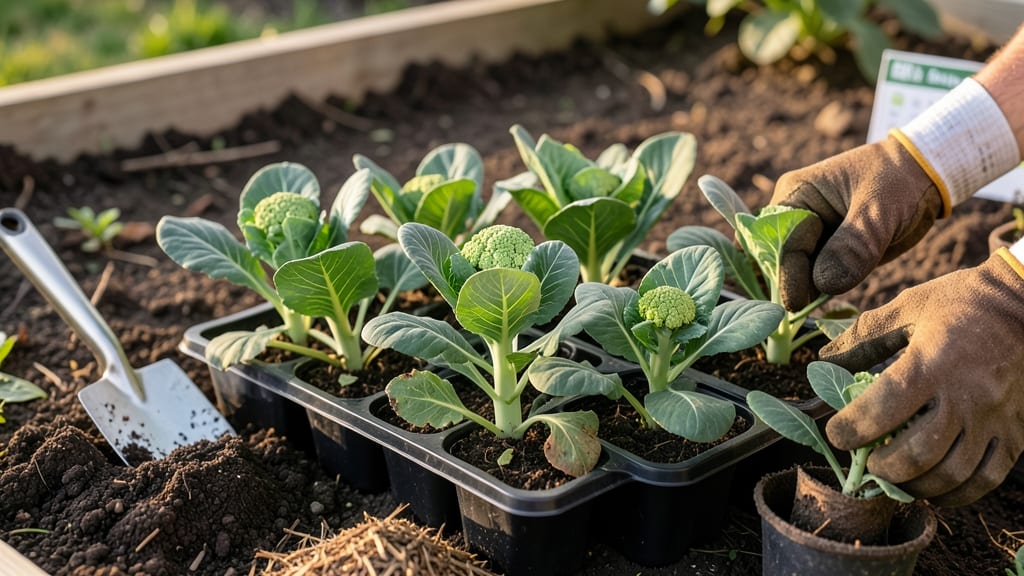
Plant cauliflower in Zone 7 about 4-6 weeks before your last frost — typically late February to early March — to catch the cool spring window it craves.
Cauliflower thrives in cool weather, but planting at the wrong time in Zone 7 can mean bolted plants or bitter heads—so timing is everything for a bountiful harvest.
Miss the spring window, and summer heat will send your plants into early flowering. But don’t worry: a second chance arrives in late summer, when temperatures dip again for a fall harvest.
Below, I’ll break down the exact frost-free timeline for Zone 7, whether you’re direct-sowing or transplanting seedlings, and how to stretch your growing season for two harvests.

Optimal planting windows for cauliflower in Zone 7 (with frost dates)
Cauliflower is a cool-season crop that loves temperatures between 50°F and 75°F, making Zone 7's mild climate perfect for two planting seasons. The key is avoiding summer heat, which causes bolting (premature flowering) and bitter flavors.
In Zone 7, your best bets are early spring and late summer plantings, timed precisely around frost dates.
First, find your last frost date—typically March 15 in most of Zone 7. For fall harvests, count back 80-100 days from your first frost date (usually November 15). This gives you a 180-day growing window to work with, but soil temperature matters just as much as air temperature.
| Planting Window | Key Dates (Zone 7) | Soil Temp Requirement | Action |
|---|---|---|---|
| Early Spring | 4-6 weeks before last frost (Feb 15 - Mar 15) | 45°F - 55°F | Start seeds indoors or direct sow |
| Late Spring | After last frost (Mar 15 - Apr 15) | 50°F - 60°F | Transplant seedlings |
| Fall | 80-100 days before first frost (Aug 1 - Sep 1) | 55°F - 65°F | Direct sow or transplant |
| Avoid | June - July | Above 75°F | Risk of bolting |
For spring plantings, start seeds indoors 4-6 weeks before your last frost date—around mid-February in most of Zone 7. Seedlings need 6-8 weeks to mature enough for transplanting, so time this carefully.
If you're direct sowing, wait until soil temperatures hit 45°F (usually late March), but be ready to protect young plants with frost cloth if nights dip below freezing.
Fall plantings require even more precision. Aim to have mature heads ready by October, so start seeds indoors 8-10 weeks before your target transplant date (around mid-July).
Use heat-tolerant varieties like 'Snowball Y Improved' or 'Purple of Sicily' to handle late-summer heat better. Transplant seedlings in early August when soil temps drop below 75°F.
Don’t forget to test your soil pH—cauliflower thrives in 6.0-7.0 range. Amend with lime if needed, and add compost for fertility. In Zone 7, succession planting every 2-3 weeks in spring can extend your harvest, but stop by mid-May to avoid heat stress.
For fall, your last planting should be by early September to ensure heads mature before frost.
Use the USDA Plant Hardiness Zone Map to pinpoint your exact last frost date—some areas in Zone 7 may vary by 1-2 weeks. For example, Northern Zone 7 (like Cincinnati) has later frosts than Southern Zone 7 (like Atlanta).
Adjust your schedule accordingly, and always keep an eye on your local weather forecast for unexpected cold snaps.
Pro tip: Shade cloth (30-50%) can help extend your growing season by 2-3 weeks in late spring or early fall. Just remove it as temperatures drop to prevent overheating.
Pair this with consistent watering (1-2 inches per week) and mulch to keep roots cool—this combo makes all the difference in Zone 7’s variable climate.
If you miss the ideal windows, don’t panic! Container growing lets you move plants to shadier spots during heatwaves. Just ensure pots have drainage holes and use a lightweight potting mix to prevent root stress.
With the right timing, you can enjoy crisp, sweet cauliflower heads twice a year in Zone 7—no summer bolting required!
How to adjust planting time for Zone 7’s hot summer (avoiding bolting)
Zone 7’s summer heat can turn your cauliflower plants into bitter, bolted disappointments if you’re not strategic. Since cauliflower prefers cool temperatures (50-75°F), summer planting requires extra steps to protect your crop.
The key is extending the growing season with shade solutions and succession planting—both of which I’ve perfected in my own garden.
First, focus on late-summer planting (August) for a fall harvest. This gives your plants enough time to mature before the first frost. Pair this with heat-tolerant varieties like ‘Snowball Y Improved’ or ‘Purple of Sicily’, which handle warmer temps better than standard types.
I’ve seen these varieties thrive even when daytime temps hit 85°F.
- Use shade cloth (30-50%) to block 10-30% of sunlight during peak heat. Install it when temps exceed 80°F.
- Plant in partial shade under trees or near north-facing structures. Aim for 4-6 hours of sun max during summer.
- Succession plant every 2 weeks in August-September. This spreads out your harvest and reduces heat stress on individual plants.
- Water deeply at soil level (1-2 inches per week) to keep roots cool. Avoid wetting leaves to prevent fungal issues.
- Harvest promptly when heads reach 6+ inches. Delaying harvest in heat causes bolting.
For shade solutions, I recommend a 30% shade cloth draped over a hoop system. This creates a microclimate that keeps soil temps 10°F cooler than full sun. Pair this with drip irrigation to maintain consistent moisture—cauliflower hates drying out during heat waves.
If you’re starting from seedlings, harden them off gradually before transplanting in late summer. I’ve found that transplanting in late afternoon reduces shock, and mulching with straw or wood chips keeps roots cool. For direct sowing, wait until mid-August when soil temps drop below 75°F.
Don’t forget about succession planting—this is my secret weapon for Zone 7 summers. By planting new batches every 2 weeks through September, I ensure a steady supply of fresh heads. The last batch should be planted 80-100 days before your first frost (typically mid-October in Zone 7).
Finally, monitor your plants for bolting signs (tall flowering stalks) and harvest immediately if they appear. With these adjustments, you can enjoy crisp, sweet cauliflower heads even in Zone 7’s hottest months. The effort is worth it for that first taste of homegrown goodness! 🥬