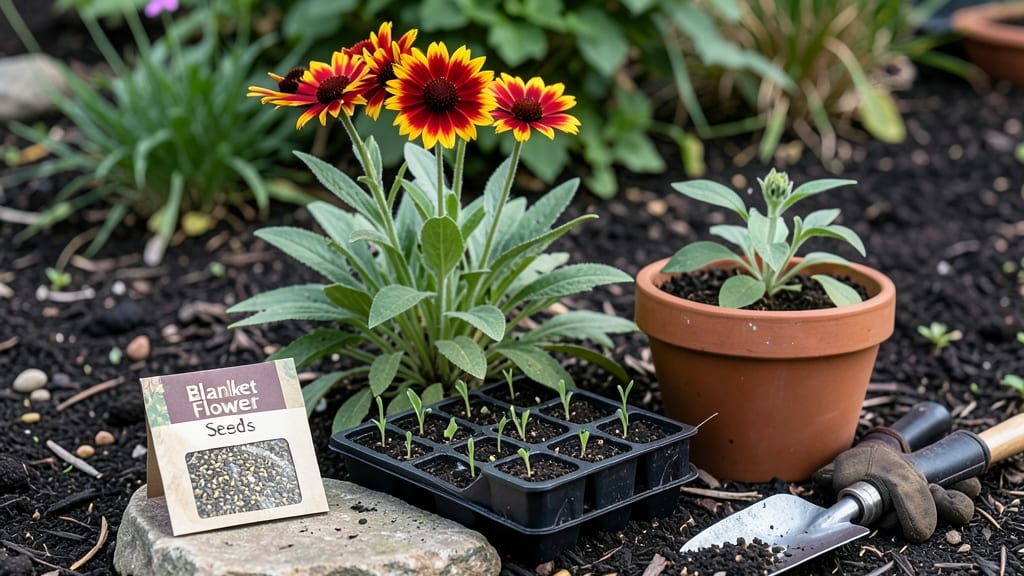
To plant flower seeds in Colorado, time it right after the last frost—typically March to May for most varieties, but adjust for your USDA Zone (5-7) and elevation.
Colorado’s unpredictable weather can make planting flower seeds a guessing game—get the timing wrong, and your blooms may never appear. But with the right USDA Zone 5-7 planting schedule, you can maximize your garden’s potential and enjoy vibrant flowers all season long.
Whether you’re in Denver’s Zone 6a or Colorado Springs’ 6b, knowing your frost dates is key. Plant annuals like zinnias and marigolds after April 15, while hardy perennials like coneflowers can handle earlier starts. Fall planting? August-September works for cool-season bloomers.
Inside, you’ll find a zone-by-zone planting chart, tips for extending seasons with row covers, and the best native flowers for Colorado’s short growing season.
🌸
When to Plant Flower Seeds Seeds
Jan
❄️
Feb
🌱
Mar
🌸
Apr
🌸
May
🌸
Jun
🌱
Jul
☀️
Aug
☀️
Sep
🍂
Oct
🍂
Nov
🍂
Dec
❄️
Colorado flower seed planting calendar by USDA Zone 5-7
Colorado’s diverse USDA Zones 5-7 create unique challenges for gardeners. With elevation shifts from 5,000 to 10,000 feet, frost dates vary dramatically—even within the same city. For example, Denver’s last spring frost typically arrives around April 15, while Grand Junction’s can be as early as March 20.
Understanding these microclimates is key to timing your flower seed planting for maximum success.
In this guide, I’ll break down the optimal planting windows for annuals, perennials, and cold-hardy flowers by month, with adjustments for high-altitude areas and urban heat islands.
Whether you’re sowing marigolds in March or cosmos in August, these timelines will help you avoid frost damage and maximize bloom time.
Pro Tip: Always check your local frost-free date (use the National Weather Service or Colorado State University Extension) and adjust planting by 2-4 weeks for higher elevations. For instance, Fort Collins (Zone 6a) may need seeds started indoors in February, while Albuquerque (Zone 7a) can direct-sow in March.
| Month |
USDA Zone 5 (High Altitude) |
USDA Zone 6 (Front Range) |
USDA Zone 7 (Lower Elevations) |
Notes |
| February |
Start cool-season annuals indoors (e.g., snapdragons, pansies) |
Start hardy perennials indoors (e.g., coneflowers, black-eyed Susans) |
Direct-sow peas, lettuce, spinach outdoors |
Use grow lights for indoor starts; protect from late frosts. |
| March |
Direct-sow cold-hardy annuals (e.g., calendula, sweet peas) |
Plant tulip bulbs and hardy perennials (e.g., lavender, catmint) |
Sow marigolds, zinnias, sunflowers after last frost |
Wait until soil reaches 40°F (4°C) for direct sowing. |
| April |
Transplant indoor starts (e.g., petunias, geraniums) |
Direct-sow warm-season flowers (e.g., cosmos, bachelor’s buttons) |
Sow beans, corn, and heat-loving annuals (e.g., portulaca) |
Use row covers for early plantings in Zone 5. |
| May |
Plant summer-blooming perennials (e.g., bee balm, daylilies) |
Sow late-season annuals (e.g., cleome, nasturtiums) |
Direct-sow fall-blooming bulbs (e.g., crocus, allium) |
Mulch to retain moisture and regulate soil temperature. |
| August |
Sow cool-season annuals for fall blooms (e.g., stock, sweet alyssum) |
Direct-sow hardy perennials (e.g., aster, goldenrod) |
Plant bulbs for spring (e.g., tulips, daffodils) |
Water deeply to establish roots before fall frosts. |
| September |
Plant winter-blooming pansies and snowdrops |
Best flowers to plant in Colorado by season: fast-growing vs. long-term bloomers
Colorado’s diverse climate—from the high-altitude Front Range to the arid Western Slope—means your flower choices should match both seasonal timing and growth habits. Fast-growing annuals like marigolds and zinnias deliver quick color, while perennials like coneflowers reward patience with years of blooms.
Let’s break down the best options for each season, including their sunlight needs and soil preferences.
Spring ephemerals like tulips and daffodils thrive in Colorado’s cool early season, while summer annuals such as cosmos and sunflowers flourish in the warmth. Fall perennials like black-eyed Susans and sedum establish roots early for vibrant autumn displays.
Each category offers unique benefits—whether you’re aiming for instant gratification or long-term beauty.
Key Tip: Always check your local last frost date (typically late April in Denver, earlier in higher elevations) before planting tender annuals. For perennials, fall planting in August-September gives roots time to establish before winter.
🌱 When to Plant Flower Seeds in Colorado
- Spring Ephemerals (March-April): Plant tulips and daffodils as soon as soil is workable (40°F+). These bulb flowers bloom early before summer heat arrives.
- Summer Annuals (May-June): Direct-sow zinnias and marigolds after last frost. They grow fast (30-60 days) and thrive in full sun.
- Fall Perennials (August-September): Establish coneflowers and black-eyed Susans 6-8 weeks before first frost. Their deep roots handle Colorado’s dry spells.
- Native Wildflowers (April-May): Scatter beebalm or blanket flower seeds in sunny, well-draining areas. These drought-tolerant plants attract pollinators.
- Cold-Hardy Annuals (June-July): Try cosmos or cleome for late-season blooms. They self-seed easily and tolerate light frosts.
For fast-growing blooms, prioritize annuals like pansies (plant in early spring or fall) or nasturtiums (direct-sow in May). These thrive in partial shade and poor soil, making them ideal for Colorado’s rocky terrain. Water deeply once a week after establishment to encourage robust growth.
Long-term perennials such as lavender and Russian sage demand well-draining soil and full sun. Amend heavy clay with compost to prevent root rot. Mulch with gravel or straw to retain moisture during Colorado’s dry summers. These plants often bloom for 6+ weeks with minimal care.
Pro Tip: Group fast growers (e.g., marigolds) near slow starters (e.g., hollyhocks) to create layered color. Use native grasses like little bluestem as backdrop plants—they’re drought-resistant and support local ecosystems.
Remember, Colorado’s altitude variations affect planting times. In Denver (Zone 6a), wait until mid-May for heat-loving annuals, while Grand Junction (Zone 7a) can start earlier. Always monitor soil temperature—seeds need 50°F+ to germinate reliably.
★★★★★4.6(11 reviews)
|