
Flowers
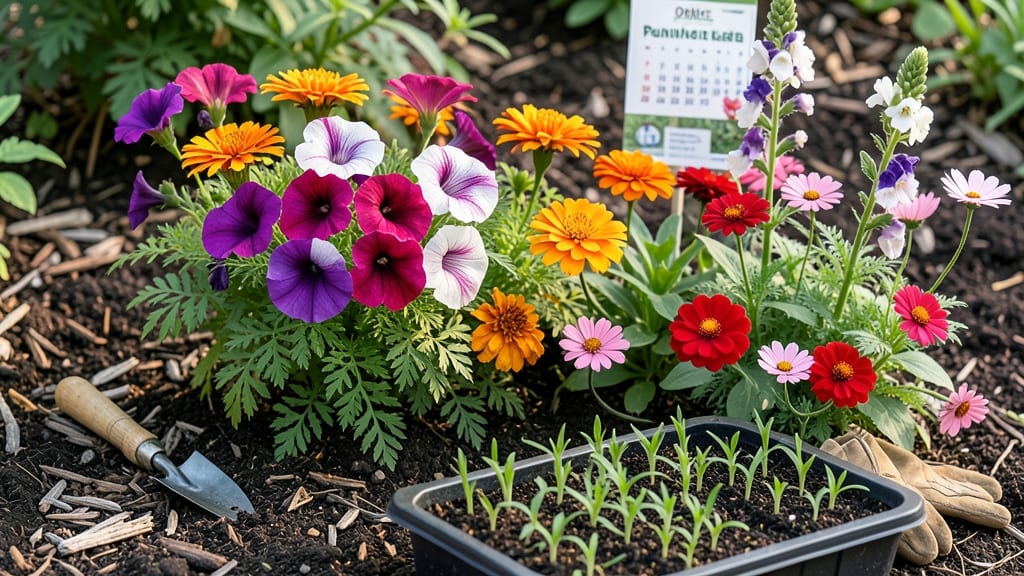
Plant flower seeds in Ohio after the last frost date, typically mid-April, when soil warms to 60°F—the difference between a thriving garden and a sad, frost-nipped disappointment.
Ohio’s unpredictable spring weather can turn your dream garden into a gamble—unless you time it just right. One week too early and a late frost wipes out your 🌸 seedlings; too late and the heat arrives before blooms even appear.
This guide breaks down Ohio’s frost dates by region, from the colder 6a zones in the north to the milder south, so you know exactly when to start seeds indoors or sow directly into the soil.
You’ll also discover how to adjust for microclimates, pick the best flowers for early vs. late planting, and use free frost-date calculators to lock in perfect timing every year.
Ohio frost dates by region: when to plant flower seeds safely
Ohio’s five distinct climate zones create wildly different frost dates—some regions can plant black-eyed Susans in early April, while others wait until May. Understanding your last average frost date is the key to timing flower seed planting for vibrant blooms all season.
Whether you’re growing cool-season annuals like pansies or heat-loving perennials such as coneflowers, the right timing ensures your seeds sprout before frost strikes again.
I’ve broken down Ohio’s frost dates by region, including actionable planting windows for both annuals and perennials. Use these guidelines to avoid late-spring frosts that can devastate tender seedlings, while still catching the earliest possible planting for maximum bloom time.
For example, marigolds thrive when planted after the last frost, while lupines can handle cooler soil temperatures and may go in earlier.
Pro Tip: Always check soil temperature (aim for 60°F+) before planting warm-season flowers, even if frost dates suggest readiness. A soil thermometer is your best friend for heat-loving varieties like zinnias or sunflowers.
If you’re in Northwest Ohio, wait until May 1 to plant warm-season annuals like zinnias, as late frosts are common. Meanwhile, Southeast Ohio gardeners can start petunia seeds indoors as early as February for a head start.
For perennials, like coneflowers or black-eyed Susans, aim to plant 4–6 weeks before your last frost date—this gives roots time to establish before summer heat arrives.
For container gardening, you can push planting dates slightly earlier or later, since pots warm up faster in spring and retain heat better in fall. Just ensure your containers have drainage holes to prevent root rot from Ohio’s unpredictable spring rains.
I’ve also found that row covers can extend the season by 2–3 weeks in both directions—planting earlier in spring or later in fall.
Ohio’s first frost typically arrives in mid-October, but don’t let that fool you into thinking all flowers are safe. Tender annuals like geraniums or salvias need to be dug up or moved indoors before temperatures drop below 40°F.
For perennials, focus on late-summer planting (August) to give them time to root before winter. My go-to heat-tolerant flowers for late-season planting include celosia and pentas, which thrive in Ohio’s summer heat.
Always monitor local weather forecasts for unusual frost warnings, especially in valley regions like the Appalachian foothills, where cold air settles. I’ve lost entire batches of basil seedlings to unexpected late frosts—don’t let that happen to your flower garden! If you’re unsure, use biodegradable seed starter pots
How to use a frost-date calculator for Ohio flower gardens
A frost-date calculator is your secret weapon against Ohio’s unpredictable spring weather. These free tools—like the National Weather Service or Old Farmer’s Almanac—provide precise last frost dates for your specific area, helping you avoid killing tender seedlings.
For Ohio, these dates typically range from mid-April in the north to early April in the south, but microclimates can shift this by weeks.
Start by entering your Ohio ZIP code into a frost-date calculator. The tool will generate your average last frost date, but don’t stop there.
Check the 10-year historical data to see if your area has a pattern of late frosts—this is crucial for heat-sensitive flowers like black-eyed Susans (Rudbeckia hirta) or coneflowers (Echinacea).
Next, factor in soil temperature. Most Ohio flower seeds need soil to warm to at least 60°F (15°C) before sprouting. Use a soil thermometer to confirm—cool, wet soil can delay germination even after the last frost.
For example, black-eyed Susans thrive when planted after soil reaches 65°F, while coneflowers are more flexible and can handle slightly cooler conditions.
Don’t forget to account for microclimates in your garden. A south-facing wall or paved area nearby can create a 1–2 week earlier planting window, while shady spots or valleys may need a 1–2 week delay.
For instance, if your frost date is April 15 but your garden bed stays cooler, wait until April 22 to plant tender annuals like marigolds.
Finally, cross-reference your frost-date calculator results with seed packet instructions. Some seeds (like snapdragons) can be sown 6–8 weeks before the last frost indoors, while others (like zinnia) are best planted directly after the frost date.
For Ohio’s perennials, such as bee balm or daylilies, aim for early spring planting (March–April) to establish strong roots before summer heat.
With these steps, you’ll transform guesswork into a foolproof planting schedule, ensuring your Ohio flower garden blooms beautifully—no matter what Mother Nature throws your way. Happy planting! 🌸