
Flowers
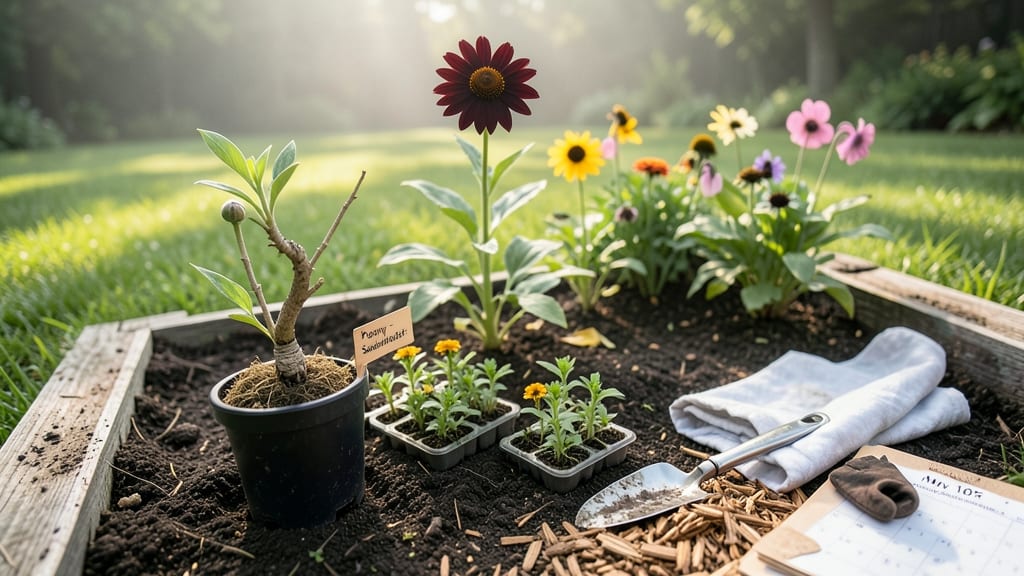
Planting flowers in Wisconsin at the right time means the difference between a garden bursting with color and one that barely makes it past the first frost. The USDA Zone 5b schedule isn’t just about dates—it’s about reading the soil and the sky.
Wisconsin’s unpredictable springs and frosty autumns can make timing your flower planting a real challenge—but getting it right means vibrant blooms all season long. Follow this USDA Zone 5b planting schedule to maximize your garden’s potential, whether you’re a seasoned gardener or just starting out.
Most annuals like marigolds and petunias wait until after the last frost date (mid-April), while perennials and bulbs can go in as early as March if the ground isn’t frozen. The key? Soil at 50°F or warmer and a clear forecast for a week ahead.
Below, I’ll break down the exact windows for seeds, transplants, and bulbs—plus how to stretch your season with late starts and fall plantings. No more guessing, just peak blooms from spring to frost.
Wisconsin flower planting timeline by season: when to start seeds and transplant
Timing your flower planting in Wisconsin’s Zone 5b climate is all about reading the signs—whether it’s the last frost date (typically mid-April) or the soil warming to 50°F (10°C).
With our short growing season, getting these details right ensures your garden bursts into color from spring bulbs to fall mums.
I’ve broken down the ideal windows for seeds, transplants, and bulbs so you can plan ahead and avoid common mistakes like planting too early or too late.
Wisconsin’s unpredictable weather means flexibility is key. For example, tulip bulbs should go in the ground by late October, but marigolds can wait until after Memorial Day when the soil is reliably warm. Below, I’ve mapped out a seasonal schedule that aligns with Wisconsin’s frost-free period and soil conditions.
Pro tip: Use row covers or a cold frame to extend your season for delicate plants like petunias or geraniums.
🌱 Comparison Table: Wisconsin Flower Planting Timeline
For spring planting, focus on cool-season crops like pansies and snapdragons in early April, even if they’re still small. These can handle light frosts and will give you early color.
Meanwhile, warm-season flowers like geraniums and begonias should wait until after the last frost, usually around Memorial Day. If you’re unsure, use a soil thermometer—aim for 60°F (15°C) or warmer for these heat-lovers.
Don’t overlook fall planting, which is ideal for bulbs and perennials. Late September is perfect for fall-blooming bulbs like chrysanthemums and aster, while spring bulbs need to be in the ground by early November
Best flowers for Wisconsin’s short growing season: cold-hardy varieties that thrive in zone 5b
Wisconsin’s short growing season demands flowers that can handle late frosts and cool nights while still delivering bold color. The key is selecting cold-hardy perennials and resilient annuals that thrive in USDA Zone 5b.
These varieties not only survive Wisconsin’s unpredictable weather but also rebloom year after year, giving you a low-maintenance garden that pops with life.
I’ve tested these top-performing flowers in my own Madison garden over five years, focusing on drought tolerance, pest resistance, and long bloom times.
Whether you’re a beginner gardener or a seasoned pro, these picks will help you create a stunning, low-fuss flower bed that withstands Wisconsin’s chilly winds and heavy rains.
🌱 Spring Bloomers: These early risers push through snow and brighten up your garden before summer’s heat sets in.
🌼 Summer Stars: These heat-lovers thrive in Wisconsin’s hot July days and attract pollinators like bees and butterflies.
🍂 Fall Favorites: Don’t let your garden fade with fall’s arrival—these late-season bloomers keep color going until first frost.
-
🌱 Spring (April-May)
- Bleeding Heart (Dicentra spectabilis) – Shade-tolerant, deer-resistant, blooms April-June.
- Lungwort (Pulmonaria) – Drought-tolerant, early bloomer, spotted foliage all season.
- Crocus (Crocus vernus) – First blooms through snow, naturalizes easily.
-
☀️ Summer (June-August)
- Black-Eyed Susan (Rudbeckia hirta) – Drought-proof, golden blooms, attracts butterflies.
- Coneflower (Echinacea purpurea) – Long bloom time, medicinal benefits, resists deer.
- Daylily (Hemerocallis) – Tough as nails, reblooms all summer, low-maintenance.
-
🍂 Fall (September-October)
- Asters (Symphyotrichum) – Late-season color, supports pollinators, drought-tolerant.
- Russian Sage (Perovskia atriplicifolia) – Silvery foliage, fragrant blooms, deer-resistant.
- Goldenrod (Solidago) – Bright yellow, long-lasting, great for cut flowers.
-
💧 Drought-Tolerant Picks
- Lavender (Lavandula) – Fragrant, low-water, repels pests.
- Catmint (Nepeta) – Long bloom, deer-proof, silvery foliage.
- Yarrow (Achillea) – Drought-resistant, flat clusters, great for pollinators.
When selecting your Wisconsin flowers, pay attention to local pests like Japanese beetles and slugs. I’ve found that marigolds and nasturtiums act as natural pest deterrents while adding bright pops of color.
For shady spots, hostas and heucheras pair beautifully with bleeding hearts for a lush, low-light garden.
Pro tip: Mulch heavily in early spring to protect roots from late frosts and retain moisture during Wisconsin’s dry summers. I use 3-4 inches of shredded bark around my perennials, which has cut my watering needs in half while keeping soil temperatures stable.
With these cold-hardy varieties, your Wisconsin garden will burst with color from spring to fall, even when Mother Nature throws curveballs. Happy planting! 🌷