
Flowers
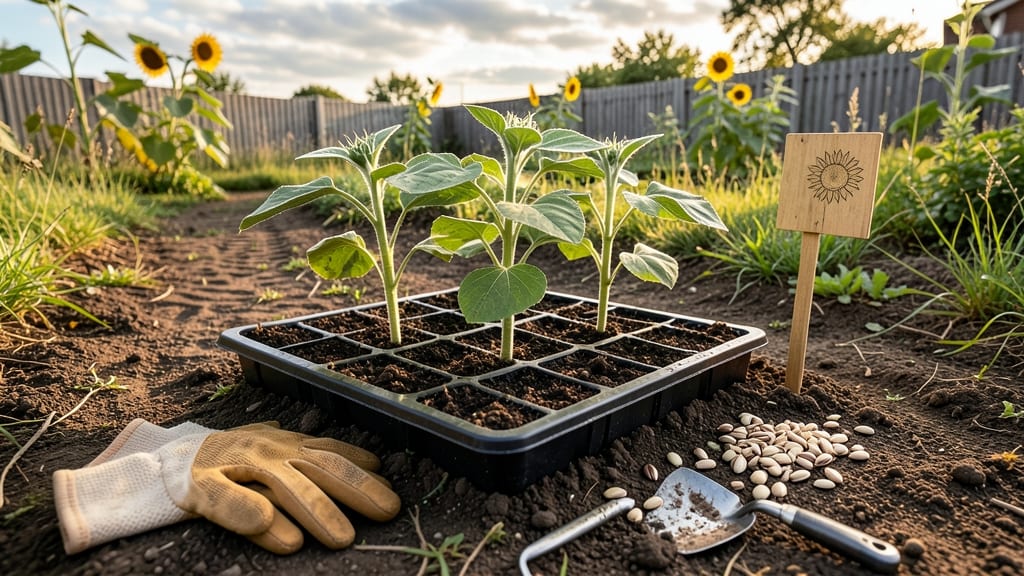
To plant sunflowers in East Tennessee, aim for mid-April to early June after the last frost date — timing this right means the difference between towering 🌻 blooms and sad, stunted stalks.
Picture this: you’ve spent weeks dreaming of sunflowers nodding in your garden, only to watch them bolt in the heat or wilt from a late frost. In Zone 6a, where temperatures can swing wildly, getting those seeds in the ground at the perfect moment is the key to success.
Sunflowers thrive in East Tennessee’s 6-8 hours of full sun, but they need the soil to warm up first. That’s why planting too early—before the last frost—risks frost damage, while waiting too long cuts your harvest short.
The ideal window balances warmth, moisture, and daylight for a 70-100 day growth cycle.
Below, I’ll break down the exact dates for your area, soil prep tips to avoid common mistakes, and how to adjust for microclimates—so you can grow sunflowers that reach their full, glorious height.
Best sunflower planting dates in East Tennessee by Zone 7a/7b
Timing your sunflower (Helianthus annuus) planting in East Tennessee’s Zone 7a/7b means the difference between towering, vibrant blooms and sad, stunted plants.
The region’s last spring frost typically arrives around April 15, while the first fall frost often hits October 15, giving you a 165-day frost-free window. But don’t just pick a random date—soil temperatures and local microclimates matter just as much!
For Knoxville, historical data shows the safest window to plant sunflower seeds directly in the ground is mid-April to early June. Meanwhile, Chattanooga’s slightly warmer urban heat island effect allows for planting as early as late March in sheltered spots.
Always wait until soil temperatures reach at least 55°F (13°C)—sunflower seeds need warmth to germinate reliably.
Here’s your East Tennessee sunflower planting timeline broken down by location, including soil temperature thresholds and frost risk:
| Location | Last Frost Date | First Frost Date | Optimal Planting Window | Soil Temp for Germination | Notes |
|---|---|---|---|---|---|
| Knoxville (Zone 7a) | April 15 | October 15 | Mid-April to early June | 55°F (13°C) | High-altitude areas (e.g., Smoky Mountains) may need to wait until late April. |
| Chattanooga (Zone 7b) | April 1 | October 20 | Late March to mid-June | 50°F (10°C) | Urban areas can plant 2 weeks earlier due to heat retention. |
| Both Regions | N/A | N/A | Late July (for fall-blooming varieties) | 60°F (16°C) | Choose short-season varieties (e.g., 'Teddy Bear') for fall plantings. |
If you’re eager to start early, consider indoor seed starting in late February or early March. Sunflowers germinate quickly—often within 7–14 days—but they grow best when transplanted outdoors after the last frost.
Use biodegradable pots to avoid root disturbance, and harden off seedlings for 5–7 days before moving them to the garden.
For direct-sown seeds, aim for April 20–May 15 in most of East Tennessee. This window ensures your sunflowers have 70–100 days to mature before frost.
Pro tip: Plant a second batch in late June for a fall harvest—just choose varieties with 60–70-day maturity, like 'Moulin Rouge' or 'Autumn Beauty'.
Soil temperature is your secret weapon. Use a soil thermometer to confirm readiness—sunflower seeds won’t sprout below 55°F (13°C). In cooler microclimates (like the Great Smoky Mountains), wait until May 1 to avoid frost damage.
For urban areas, Chattanooga’s warmer pockets can support earlier plantings, but monitor nighttime temperatures closely.
Don’t forget to prep your soil! Sunflowers thrive in well-draining, slightly acidic soil (pH 6.0–6.8). Work in 2–3 inches of compost before planting, and space seeds 6 inches apart with 12–24 inches between rows. Deep planting (1–1.5 inches deep) prevents uprooting and
How to adjust sunflower planting for East Tennessee’s microclimates
East Tennessee’s diverse landscapes—from the Smoky Mountains to Knoxville’s urban heat islands—create unique growing conditions for sunflowers. High-altitude areas like Gatlinburg (Zone 6b) experience cooler temperatures, while cities like Chattanooga (Zone 7b) trap heat. These differences mean your planting timeline and container adjustments may need tweaking to guarantee success.
For mountain regions, wait until mid-May to plant sunflowers, when soil temperatures consistently reach 55°F.
In contrast, urban areas can start as early as late April thanks to microclimates that warm up faster. Container gardening offers flexibility—just ensure pots have drainage holes and use lightweight potting mix to prevent root rot in heavy clay soils.
Here’s how to fine-tune your approach based on your local conditions:
Delay planting until after May 15 to avoid late frosts. Use black plastic mulch to warm soil faster.
Plant by late April but provide afternoon shade for dwarf varieties to prevent wilting.
Use 10-gallon pots for standard varieties and plant 2 inches deeper than in-ground to stabilize stems.
Cover seedlings with floating row covers until soil warms to 60°F or use cold frames for late fall plantings.
If you’re growing sunflowers in containers, opt for dwarf varieties like ‘Teddy Bear’ (3–4 ft tall) to avoid toppling. Place pots on elevated stands for better air circulation and add slow-release fertilizer at planting to compensate for limited root space.
For in-ground plantings, amend clay soil with compost to improve drainage.
To extend your sunflower season, try a second planting in early July for a fall harvest. Use row covers to protect young plants from unexpected September frosts, especially in higher elevations. This technique can push your blooming window into October, adding late-season color to your garden.
Remember, sunflowers thrive on consistent moisture but hate soggy roots. In urban microclimates, water deeply in the morning to prevent fungal diseases from evening humidity. For mountain gardens, mulch heavily to retain moisture and regulate soil temperature—critical for germination in cooler climates.
With these adjustments, your sunflowers will reach their full potential, whether you’re gardening in the Smokies or the heart of Knoxville. Happy planting! 🌻