
Flowers
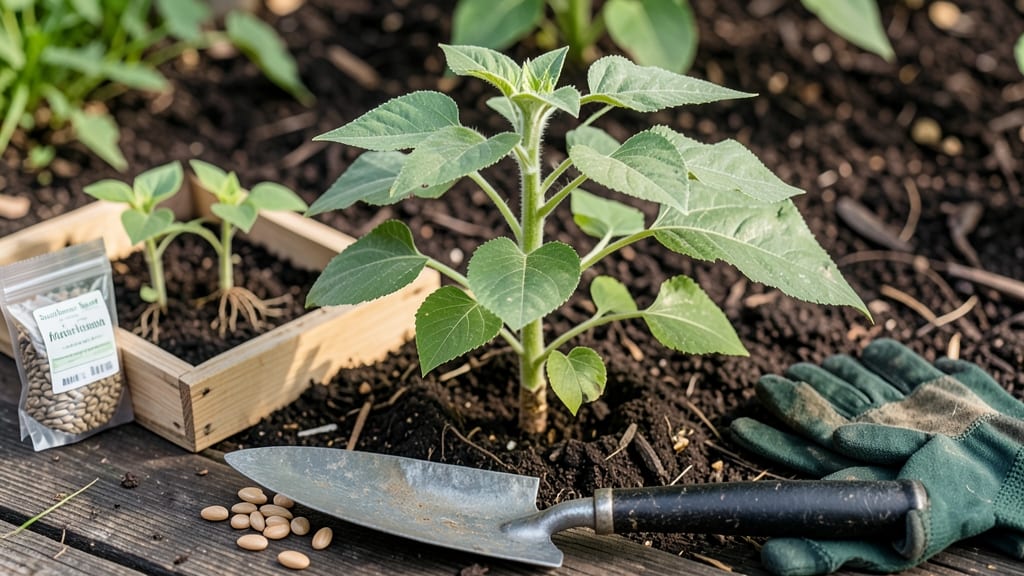
Planting sunflowers in Florida at the right time means bold blooms that tower over your garden 🌻—but miss the window, and you’ll get leggy stalks that flop before they open.
Sunflowers thrive under Florida’s intense sun—but planting them at the wrong time can mean wilted petals before they even bloom. Timing is everything for growing these cheerful giants in the Sunshine State’s unpredictable climate.
If you live in North Florida, you’ve got a shorter window before summer heat sets in, while South Florida gardeners can push their planting later. The key is warm soil and avoiding those late-spring cold snaps that sneak in even in the tropics.
In this guide, I’ll break down the exact frost-free months for your region, the best heat-resistant varieties, and how to keep your sunflowers blooming all summer—no guesswork, just sunflower success.
Best planting months for sunflowers in Florida’s frost-free zones
Florida’s frost-free climate means sunflowers can grow year-round, but timing still matters. Unlike northern states, we don’t have to wait for spring—just avoid the hottest summer months when seedlings struggle.
The key is planting when soil temperatures stay consistently above 60°F and humidity isn’t overwhelming. In North Florida, this means starting earlier than South Florida, where summer heat arrives faster.
Sunflowers thrive in Florida’s USDA Zones 8-11, but regional microclimates create big differences. North Florida’s cooler winters allow for earlier spring planting, while South Florida’s steamy summers demand fall planting for best results.
The goal is to give seedlings time to establish roots before extreme heat or humidity sets in.
Soil temperature is your best guide—not just air temperature. Use a soil thermometer to confirm readings above 65°F before planting. In Florida, this typically happens between mid-February and mid-March in North Florida, and late March to early April in Central and South Florida.
Here’s your regional planting timeline with ideal months and soil conditions:
| Region | Best Planting Months | Soil Temp (°F) | Key Consideration |
|---|---|---|---|
| North Florida (Panhandle, Gainesville) | February-March | 60-65°F | Avoid late spring heatwaves |
| Central Florida (Orlando, Tampa) | March-April | 65-70°F | Watch for sudden summer storms |
| South Florida (Miami, Key West) | April-May or September-October | 70-75°F | Fall planting avoids extreme heat |
For North Florida, aim for February to early March when nights are still cool but days are warming. This gives plants time to mature before summer’s 90°F+ temperatures arrive.
In Central Florida, shift planting to late March through April—just as the rainy season begins—to take advantage of natural moisture.
South Florida gardeners have two windows: spring (April-May) or fall (September-October). Summer planting is risky due to humidity and fungal diseases, but fall planting lets you enjoy blooms before winter chills arrive. Always choose disease-resistant varieties like 'Autumn Beauty' for South Florida’s challenging conditions.
If you miss the spring window, don’t despair—sunflowers are fast growers. In Florida, you can even try succession planting every 2-3 weeks from March through June for continuous blooms. Just be prepared to provide extra shade cloth during peak summer heat (July-August) to protect young seedlings.
Pro tip: Pre-soak seeds for 6-8 hours before planting to speed germination in Florida’s heat. The faster roots establish, the quicker the plant can handle summer’s intensity. Mulch heavily around seedlings to retain moisture and keep soil temperatures stable during Florida’s swinging thermometer days.
Remember, sunflowers need 6-8 hours of direct sun daily, so choose your planting spot carefully. In Florida’s humid climate, afternoon shade can prevent leaf scorch, but morning sun is essential for strong stems.
With the right timing and care, you’ll have towering sunflowers reaching for the sky by summer’s end.
🌻
Top 5 heat-resistant sunflower varieties for Florida gardens
Florida’s scorching summers can turn sunflowers into sad, droopy plants—but not with the right varieties. These heat-resistant sunflowers thrive in our 90°F+ temperatures and humid conditions, delivering bold blooms from spring through fall. I’ve tested these top performers in my own North Florida garden, and they never disappoint.
For drought tolerance, look no further than these five varieties. They handle low-water conditions while still producing vibrant, long-lasting flowers that attract pollinators. Whether you’re growing for cut flowers or wildlife support, these sunflowers deliver both beauty and resilience.
'Moulin Rouge' is my top pick for Florida heat. This French variety sports deep red petals and thrives in full sun exposure, reaching 5-6 feet tall with minimal water. It blooms from June through October, making it perfect for extended-season gardens. Just give it well-draining soil and watch it flourish.
For early blooms, plant 'Autumn Beauty', a multi-colored mix that handles summer heat like a champ. Its 3-5 foot stature makes it ideal for small spaces, and it produces continuous blooms from late summer to frost.
I’ve seen it rebloom after deadheading, giving you months of color with almost no effort.
If you love giant sunflowers, try 'Russian Giant'. Yes, it’s tall (10-12 feet!), but its thick stems stay upright in Florida’s humidity. Plant it in well-amended soil with stakes for support, and you’ll get massive 12-inch blooms that last all summer.
Just water deeply 2-3 times per week during dry spells.
Don’t overlook 'Teddy Bear' for compact gardens. This dwarf variety stays under 3 feet tall but packs bright yellow blooms that resist wilting in heat. It’s perfect for containers or front-of-bed plantings, and its early maturity (60 days) means you’ll see flowers by late spring if planted right.
Lastly, 'ProCut' is a cut-flower favorite that handles Florida’s heat beautifully. Its semi-dwarf stature (5-6 feet) and long stems make it ideal for bouquets, and it resists mildew better than most varieties. Plant it in well-draining soil and space 18 inches apart for best results.