
Flowers
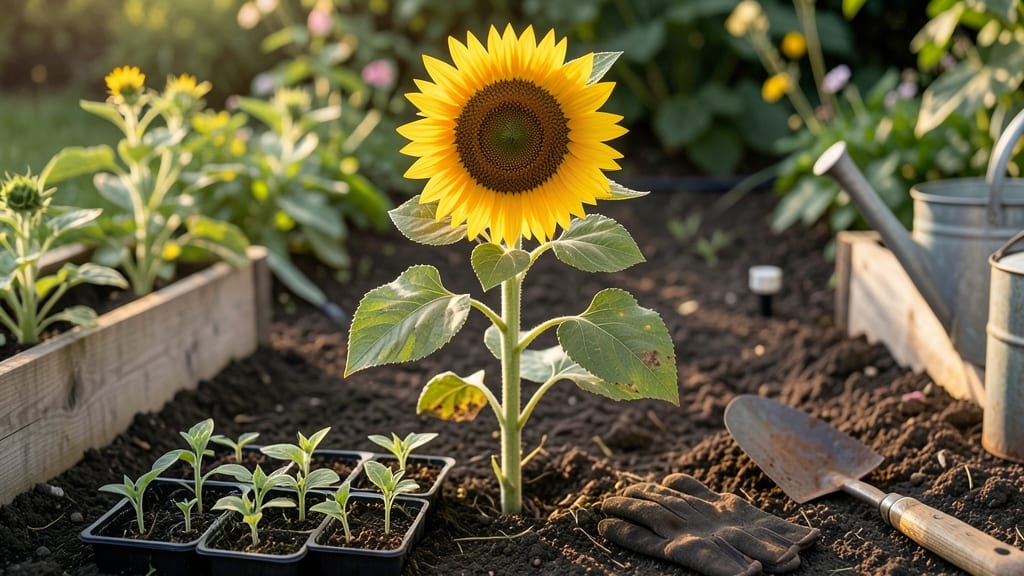
Plant sunflowers in Minnesota after your last frost date, typically between mid-May and early July for the best towering blooms 🌻.
If you’ve ever watched your sunflower seeds sit in cold, damp soil for weeks, only to sprout too late for summer blooms, you know timing is everything.
Minnesota’s short growing season demands precision—plant too early and frost zaps your seedlings; too late and you miss the heat needed for those 10-foot giants.
This guide breaks down the exact frost-free deadlines by USDA Zone (3-5), plus how to adjust for late springs or early snaps. We’ll cover soil temperature checks, the best varieties for Minnesota’s climate, and even how to extend your season if Mother Nature throws a curveball.
By the end, you’ll know not just when to plant, but how to set your sunflowers up for success—from seed to harvest-ready heads by late July.
Minnesota sunflower planting deadlines by USDA hardiness Zone
Minnesota’s USDA Zones 3-5 create unique challenges for sunflower growers, where late frosts and short growing seasons demand precise timing. The key to success lies in understanding your last-frost averages and selecting the right planting method—whether direct sowing or transplanting young plants.
In my experience, even a week’s delay can mean the difference between towering sunflowers and stunted growth.
Sunflowers thrive in warm soil and consistent sunlight, but Minnesota’s climate requires patience. Most varieties need 50°F soil temperatures to germinate, which typically aligns with mid-May across the state. However, Zone 3 gardeners face the earliest risks, while Zone 5 areas can push planting slightly later.
Let’s break down the exact deadlines for each zone to ensure your sunflowers reach their full potential.
🌱 Pro Tip: Always check your local Almanac frost dates—they can vary by 5-7 days from the averages below. For extra safety, use row covers if planting early in Zone 3 or Zone 4.
For Zone 3 gardeners, the May 20 deadline is critical—planting after this risks stunted growth from cool soils. I’ve found that 'Autumn Beauty' and 'Moulin Rouge' handle Minnesota’s shorter season best, maturing in 80-90 days even with cooler starts.
These varieties also produce edible seeds, adding bonus value to your garden.
In Zone 4, where last frosts average May 5-10, you have a slightly longer window. Direct sowing between May 10 and June 10 works well, but for taller varieties like 'Russian Giant', starting seeds indoors by April 25 gives them a head start.
This method ensures they reach 6-10 feet before Minnesota’s first frost in mid-October.
Gardeners in Zone 5 enjoy the most flexibility, with last frosts typically around April 25-May 5. This means you can direct sow as early as late April or even early May in sheltered microclimates.
For succession planting, I recommend a second sowing around June 1 to extend your harvest into October. Varieties like 'ProCut' (great for cutting) and 'Sunspot' (disease-resistant) thrive in these conditions.
If you’re transplanting sunflower seedlings, start them indoors 4-6 weeks before your last frost date. Use biodegradable pots to avoid root disturbance when moving them outdoors. Harden off seedlings by placing them outside for 2-3 hours daily the week before transplanting.
This gradual process prevents transplant shock, which is especially critical in Minnesota’s cool, windy springs.
One common mistake I see is planting too early in hopes of a longer season. Sunflower seeds won’t germinate in cold soil, and seedlings can rot if temperatures dip below 50°F.
Always wait until the soil thermometer confirms warmth—this simple step can save your entire crop. For extra protection, use black plastic mulch to warm the soil faster and retain moisture.
For late-season blooms, consider succession planting every 2-3 weeks until early July. This staggered approach ensures continuous pollinator activity and extends your harvest window. Just be mindful that sunflowers planted after July 1 may not mature before frost, especially in Zone 3 and Zone 4.
🌻 Final Tip: Mark your calendar for October 10—this is when Minnesota’s first frost typically arrives. Use this date to plan your last possible planting and estimate your harvest timeline.
With the right timing, you’ll enjoy sunflowers towering over your fence and a garden that hums with bees and butterflies all summer long.
How to adjust planting timing for Minnesota’s unpredictable weather
Minnesota’s late frosts and sudden temperature swings can derail even the best-laid gardening plans—but with a few proactive adjustments, you can still grow stunning sunflowers that thrive despite the chaos. The key lies in soil temperature checks, succession planting, and choosing the right varieties for cooler starts.
I’ve learned that flexibility is just as important as timing when gardening in the North Star State.
First, always wait until soil temperatures reach at least 50°F (10°C) before planting—cold soil can stunt germination, even for hardy sunflowers. Use a soil thermometer for accuracy, especially in USDA Zones 3-4 where ground warms slower. This simple tool prevents wasted seeds and heartbreak when your seedlings fail to sprout.
Here’s how to adapt your planting schedule when Mother Nature throws curveballs:
- 1
- 2
- 3
- 4
- 5
For those late-May surprises when frost sneaks back, protect young sunflowers with frost cloth or row covers during nighttime dips below 32°F (0°C). I’ve saved entire rows this way—just secure the cover before sunset and remove it by 10 AM to prevent overheating.
Even 6-inch-tall seedlings can recover if roots stay unfrozen.
If you’re still worried about timing, consider container growing. Pots warm up faster and can be moved to sheltered spots or even indoors overnight if frost threatens. Dwarf varieties like 'Teddy Bear' (2-3 feet tall) thrive in 5-gallon buckets and produce plenty of blooms even in small spaces.
Remember, Minnesota’s short growing season isn’t a dealbreaker—it’s just a challenge to work with. By combining soil prep, smart variety choices, and flexible timing, you’ll enjoy sunflowers that reach their full potential despite the weather’s whims. Happy planting! 🌻