
Flowers
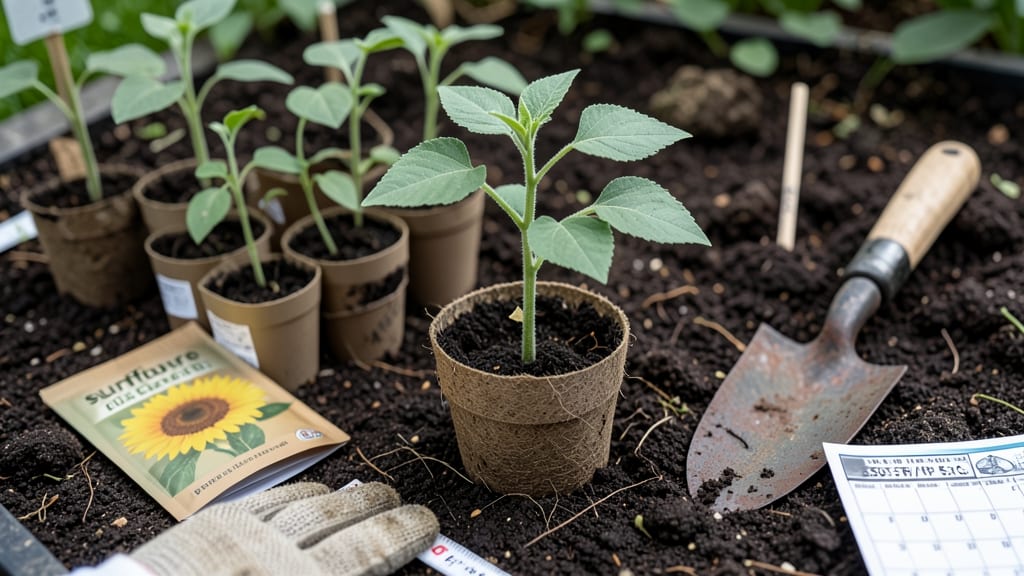
Plant sunflowers in Nebraska between late April and early July 🌻 for the best chance at towering blooms and plump seeds.
Miss that window, and you risk stunted growth or flowers that never fully open—especially in USDA Zone 5b, where late frosts linger. But timing isn’t just about dates; soil temperature matters just as much.
Here’s how to pinpoint the perfect moment to sow seeds, whether you’re in Omaha or Lincoln, plus tips to extend your growing season for bigger, healthier sunflowers.
You’ll learn the exact frost-free dates to aim for, how to prep your soil, and which varieties thrive in Nebraska’s heat—so you can go from seed to sunflower giant in no time.
Best planting times for Nebraska sunflowers by USDA Zone 5b-6a
Nebraska’s USDA Zones 5b-6a offer a short but sweet growing season for sunflowers. Timing is everything—plant too early, and frost will nip tender seedlings. Too late, and your sunflowers won’t mature before Nebraska’s first frost in mid-October.
The key is aligning your planting with soil temperatures and local frost-free dates, which vary by microclimate.
Most Nebraska gardeners plant sunflowers between late April and early July. However, your exact window depends on whether you’re direct sowing seeds or transplanting seedlings. Direct sowing is the best method for sunflowers, as they hate root disturbance.
But if you start indoors, you’ll need to harden off seedlings before transplanting after the last frost.
To find your local last frost date, check the Nebraska State Climate Office or use the Almanac’s Frost Calculator. For most of Zone 5b (e.g., Omaha, Lincoln), the average last frost date is April 15–May 1.
In Zone 6a (e.g., southeast Nebraska), it’s often April 30–May 15. Always wait until soil temperatures reach 50°F (10°C)—sunflowers won’t germinate in cold soil.
| Planting Method | Zone 5b (Omaha/Lincoln) | Zone 6a (Southeast NE) | Soil Temp Requirement | Notes |
|---|---|---|---|---|
| Direct Sowing (Early) | May 1–15 | April 20–May 1 | 50°F (10°C) | Best for early varieties (e.g., 'Teddy Bear'). |
| Direct Sowing (Mid-Season) | May 15–30 | May 1–15 | 50°F (10°C) | Ideal for standard varieties (e.g., 'Mammoth'). |
| Direct Sowing (Late) | June 1–15 | May 15–30 | 50°F (10°C) | Works for short-season varieties (e.g., 'Autumn Beauty'). |
| Transplanting (Seedlings) | May 15–June 1 | May 1–15 | 55°F (13°C) | Hardened-off seedlings only; avoid if possible. |
| Succession Planting | Every 2 weeks until June 15 | Every 2 weeks until June 30 | 50°F (10°C) | Extend harvest season with multiple plantings. |
For direct sowing, Nebraska gardeners often split their plantings into three waves: early, mid, and late season. This ensures you’ll have sunflowers blooming from July through September.
Early plantings (May) give you the tallest varieties, while late plantings (June) work well for short-season types like 'Autumn Beauty,' which matures in just 80 days.
If you’re transplanting sunflower seedlings, start them indoors 4–6 weeks before your last frost date. Use biodegradable pots to avoid root shock when moving them outside. Hardening off is critical—expose seedlings to outdoors for 1–2 hours daily over a week, gradually increasing time.
Transplant after soil warms to 55°F (13°C), and water deeply to settle roots.
Nebraska’s short growing season can feel like a race against time for sunflowers, but with the right strategies, you can push those cheerful blooms well into fall. The key lies in succession planting and choosing varieties that thrive in cooler temperatures. By staggering plantings and selecting cold-hardy options, you’ll maximize your sunflower harvest even in USDA Zones 5b-6a. Start by preparing your soil in early spring—sunflowers love well-draining, nutrient-rich soil with a pH between 6.0 and 7.5. Amend heavy clay soils with compost to improve aeration and moisture retention. This prep work sets the stage for faster germination and stronger stems, which is critical when you’re working with a tight timeline. Succession planting is your secret weapon. Instead of planting all your seeds at once, stagger them in 2-3 week intervals from late April through early July. This ensures a continuous supply of blooms and seeds, even as summer winds down. For example, plant a batch in late April for early summer flowers, then follow up with mid-May and late June plantings.
How to extend Nebraska’s sunflower growing season with smart timing
Variety
Days to Maturity
Best Planting Window
Cold Tolerance
Height Range
Mammoth Russian
90-120 days
Late April - May 15
Moderate
8-14 ft
Teddy Bear
50-60 days
May 15 - June 15
High
2-4 ft
Autumn Beauty
80-100 days
June 1 - July 1
Moderate
4-6 ft
ProCut
60-70 days
Late May - June 15
High
3-5 ft
When selecting varieties, prioritize those with shorter maturity times or higher cold tolerance. Teddy Bear and ProCut varieties mature in just 50-70 days, making them perfect for late-season plantings.
Meanwhile, Mammoth Russian varieties take longer but produce stunning 10-14 ft stalks when planted early. For a balance, Autumn Beauty offers vibrant blooms with a 80-100 day timeline.
Don’t overlook soil temperature—sunflower seeds need soil that’s at least 50°F (10°C) to germinate properly. Use a soil thermometer to check before planting, especially in Nebraska’s unpredictable spring. If your soil is too cold, wait a few days or use black plastic mulch to warm it up faster.
This small step can mean the difference between strong, healthy plants and weak seedlings.
Finally, protect your late-season sunflowers from early fall frosts by planting near a south-facing wall or using row covers. Even a light frost can damage tender blooms, so monitor your local frost-free date and adjust your planting schedule accordingly.
With these strategies, you’ll enjoy sunflowers well into September or October, long after most gardens have gone dormant.