
Flowers
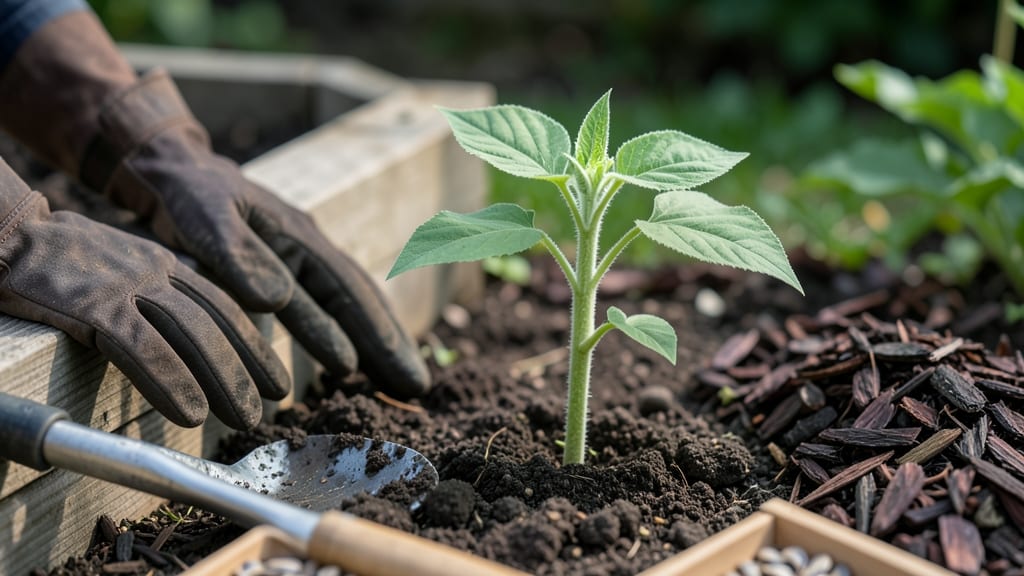
To plant sunflowers in New England, aim for late May through early June after the last frost date — timing that gives your 🌻 tall beauties 90+ days to mature before fall frosts.
Sunflowers bring bold beauty and pollinator benefits to New England gardens—but planting them too early or late can mean stunted growth or frost damage. Timing is everything, and your zone, variety, and last frost date determine the perfect window.
New England’s short growing season means you’ll want fast-maturing varieties like Autumn Beauty or Teddy Bear, which can handle cooler soils better than heat-loving giants. Coastal areas may push planting a week earlier than inland zones.
Below, I’ll break down exact frost-free deadlines by zone, the best varieties for your region, and how to stretch your season with simple tricks like row covers or succession planting.
New England sunflower planting deadlines by hardiness Zone (5-7)
New England's cool springs and early fall frosts demand precise timing for sunflower success. Unlike warmer climates, we can't plant too early—cold soil slows germination, while late plantings risk frost damage before blooming.
Your USDA zone (5-7) and microclimate (coastal vs. inland) create a 4-6 week window where timing makes all the difference.
Most New England gardeners focus on direct sowing because sunflowers hate transplanting. The key is planting when soil temperatures reach 55-60°F—warm enough for quick germination but not so late that first frost arrives before maturity.
Coastal areas (like Zone 6b-7a) often have 2-3 weeks later planting windows than inland regions.
For Zone 5 (northern New England), aim for late May to early June—after the last frost but before July heat arrives.
In Zone 6 (central regions), you have flexibility from mid-May to mid-June. Zone 7 gardeners can start as early as early May in protected areas or wait until late May for safer bets.
| Zone | Last Frost Date (Avg.) | Ideal Planting Window | Soil Temp Requirement | Microclimate Adjustment |
|---|---|---|---|---|
| Zone 5 | May 10-20 | Late May - Early June | 55-60°F (13-16°C) | Inland: 1 week earlier Coastal: 1 week later |
| Zone 6 | April 25 - May 10 | Mid-May - Mid-June | 55-60°F (13-16°C) | Valleys: 5 days earlier Hillsides: 5 days later |
| Zone 7 | April 10-20 | Early May - Late May | 50-55°F (10-13°C) | Southern exposures: 1 week earlier Northern exposures: 1 week later |
Microclimates create localized variations worth noting. Coastal areas (like Maine or Cape Cod) often have cooler summers and longer frost risks, so delay planting until after June 1 in Zone 6. Conversely, inland valleys (like Vermont's Champlain Valley) warm faster—plant 2-3 weeks earlier than coastal neighbors.
For early spring plantings (before ideal windows), use row covers or cold frames to protect seedlings. I've had success planting Teddy Bear sunflowers in Zone 5 under row covers in mid-May, giving them a 6-week head start before removing covers.
Just remove covers before bolting occurs (when stems elongate rapidly).
Late plantings are riskier but possible with fast-maturing varieties. If you miss the window, opt for Autumn Beauty or Moulin Rouge, which mature in 70-80 days.
Plant these by July 1 in Zone 5 or July 15 in Zone 6 for fall blooms. Just be prepared for smaller flowers if planted late.
Always check your local frost dates—they vary by 5-10 days even within zones. For example, Burlington, VT (Zone 5) averages last frost on May 15, while Portland, ME (Zone 5) waits until May 25.
Use resources like the National Oceanic and Atmospheric Administration (NOAA) for hyper-local data.
Sunflowers need 60-90 days to mature, so calculate backward from your first frost date. In Zone 5, first frost typically arrives September 20-October 1, leaving a 120-day window.
Plant Mammoth varieties by June 1 to ensure blooms before frost. For Zone 7, first frost comes November 15, giving you until July 15 for standard varieties.
Adjust for succession planting if you want continuous blooms. Sow half your seeds at the ideal time, then repeat every 2 weeks until July 1. This staggered approach ensures blooms from summer through early fall, even in Zone 5.
Just avoid planting after August 1—seedlings won't mature before frost.
Remember: Sunflowers are forgiving but not infinite. If planted too late, they'll grow tall but bolt without blooming. The sweet spot is 6-8 weeks before your
Best sunflower varieties for New England’s short growing season
New England’s cool springs and short summers demand sunflower varieties that mature quickly while withstanding late frosts and humidity. The right choice ensures vibrant blooms before the first frost—typically mid-September in zones 5-7.
Fast-growing varieties like Mammoth and Teddy Bear are my top picks for reliable results, while Autumn Beauty extends the season with its heat tolerance.
Cold-tolerant varieties like Autumn Beauty can handle 40°F soil temps, giving you a 2-week head start compared to heat-loving types. For dwarf varieties, Teddy Bear reaches maturity in just 55-60 days, perfect for container gardens or late plantings.
Always check your last frost date—aim to plant when nighttime temps stay above 50°F consistently.
| Variety | Days to Maturity | Height | Best Planting Time | Key Feature |
|---|---|---|---|---|
| Mammoth | 85-95 | 10-12 ft | Late May | Classic giant blooms |
| Teddy Bear | 55-60 | 3-5 ft | Early June | Dwarf, great for containers |
| Autumn Beauty | 60-70 | 5-6 ft | Mid-May | Heat/drought tolerant |
| Russian Giant | 90-100 | 12-14 ft | Late May | Tallest variety, bold |
For zone 5 gardeners, prioritize early-maturing varieties like Autumn Beauty or Teddy Bear to avoid early fall frosts. In zone 7, you can push late plantings into early July for fall-blooming varieties, but avoid Russian Giant—it needs longer growing seasons to reach full height.
Always soak seeds overnight before planting to speed germination in cool soils.
My pro tip: Use black plastic mulch to warm soil faster in early spring, giving seeds a 5°F advantage. This works especially well for Mammoth and Russian Giant, which need warmer soil temps to thrive.
Pair sunflowers with borage or marigolds to deter pests and attract pollinators for longer blooming periods.
If you’re succession planting, stagger Teddy Bear every 2 weeks from June to July for continuous blooms until frost. This extends your harvest window by 4-6 weeks and ensures bird-friendly seeds are available longer. Always deadhead spent blooms to encourage secondary flowering in heat-tolerant varieties like Autumn Beauty.
For coastal New England (e.g., Maine or Massachusetts), add 1-2 weeks to planting times due to cooler maritime climates. Inland areas like Vermont or New Hampshire can plant 1 week earlier thanks to warmer microclimates. Track your local frost dates using the