
Flowers
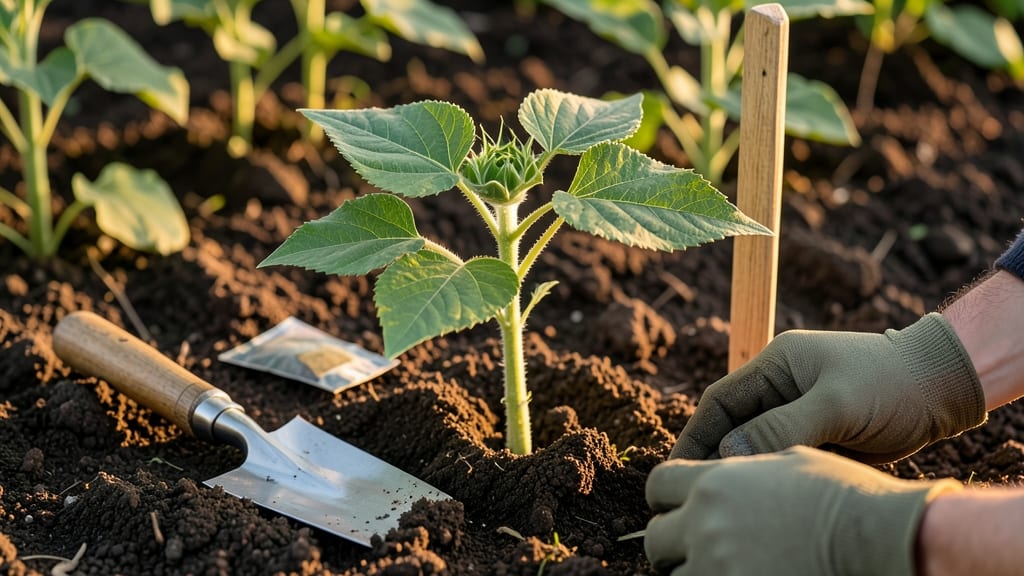
Plant sunflowers in Northern California after the last frost, when soil warms to 55°F—typically late February to early April along the coast and March to early May inland.
Sunflowers bring bold beauty and effortless charm to Northern California gardens—but planting them at the wrong time can mean wilted dreams before they even bloom. Timing is everything, especially when frost dates shift between Zone 8 and Zone 9.
Coastal areas like San Francisco (Zone 9-10) can start two weeks earlier than inland valleys (Zone 8-9), where late frosts linger until March. High-elevation spots in the Sierra foothills (Zone 7) may need to wait until April.
Here’s how to nail your planting window, adjust for microclimates, and pick the right varieties for your 60- to 120-day growing season—so your 🌻 stands tall and proud all summer.
Northern California sunflower planting deadlines by Zone (8 vs. 9)
Northern California’s diverse microclimates mean your sunflower planting window can vary dramatically between Zone 8 and Zone 9. Inland valleys like Sacramento (Zone 8) enjoy longer growing seasons, while coastal areas like San Francisco (Zone 9) face delays from marine layer fog.
Getting the timing right ensures your sunflowers 🌻 reach their full 10-foot potential before autumn frost.
For both zones, the last frost date is your golden rule—but soil temperature matters just as much. Sunflower seeds need soil at 55°F (13°C) to germinate reliably.
In Zone 8, this typically happens by mid-March, while Zone 9’s coastal fog often delays warming until late March or April. Let’s break down the exact planting deadlines you need.
📅 Key Deadlines by Zone:
| Zone | Last Frost Date | Ideal Planting Window | Soil Temp Requirement | Late Planting Cutoff |
|---|---|---|---|---|
| Zone 8 (Sacramento, Stockton) | January 15–February 15 | March 1–April 15 | 55°F (13°C) | June 1 (for late varieties) |
| Zone 9 (San Francisco, Santa Rosa) | December 15–January 15 | Late March–April 30 | 55°F (13°C) | July 1 (cooler microclimates) |
| Both Zones | N/A | Direct sow or transplant | 60–70°F (16–21°C) for seedlings | 8 weeks before first frost |
In Zone 8, you can start direct sowing as early as late February in sheltered microclimates, but most gardeners wait until mid-March to avoid cold soil issues.
For seedlings, transplant after April 15 once nighttime temperatures stay above 50°F (10°C). Inland areas like Modesto can push planting into early May for late-season blooms.
Zone 9 gardeners face a trickier timeline due to coastal fog. While your last frost may be in mid-January, soil often stays too cold for germination until late March. Use row covers or start seeds indoors in February to jumpstart growth. Transplant seedlings outdoors by mid-April for reliable blooms by summer.
For both zones, late planting is possible but risky. Sunflowers need 60–120 days to mature, so planting after June 1 (Zone 8) or July 1 (Zone 9) may result in smaller blooms or frost-damaged heads. Choose fast-maturing varieties like 'Moulin Rouge' (50 days) if you’re pushing the deadline.
Pro tip: Test your soil temperature with a soil thermometer before planting. If it’s below 55°F (13°C), wait a week or use black plastic mulch to warm the soil faster. In Zone 9, remove mulch once temperatures exceed 70°F (21°C) to prevent overheating.
Remember, sunflowers thrive on heat, so Zone 8’s inland valleys often produce taller, more robust plants than cooler coastal Zone 9 gardens. If you’re in a transition zone (like Santa Cruz), monitor local weather forecasts for marine layer shifts—they can delay planting by 2–3 weeks.
Once planted, give your sunflowers 1–2 inches of water weekly and watch them grow toward the sun. With the right timing, you’ll have vibrant blooms from June to October, turning your garden into a pollinator paradise 🌻.
How to adjust sunflower planting for Northern California’s microclimates
Northern California’s diverse microclimates can make sunflower planting a real puzzle. Coastal areas like San Francisco and Santa Cruz battle persistent coastal fog, while inland valleys like Sacramento and Fresno face scorching heat spikes that can stress young plants.
Even urban heat islands in cities like Oakland create localized challenges. The key? Adjusting your planting strategy to match your specific microclimate’s quirks.
For coastal gardeners, delayed spring warming means starting seeds indoors or under grow lights by mid-February. Transplant outdoors only after April 15th, when soil temperatures consistently hit 55°F (13°C).
Inland areas, however, can plant directly outdoors as early as mid-March, taking advantage of warmer soils and longer growing seasons.
Never plant sunflowers in coastal fog-prone areas before April 15th. Fog delays soil warming, stunting seed germination. Test soil temperature with a soil thermometer—wait until it’s consistently 55°F+ for 5+ days before planting. Urban areas? Check for heat island effects—sidewalks and pavement can raise soil temps by 10°F+ compared to rural zones.
Urban gardeners should also account for heat island effects, where pavement and buildings trap heat. Plant sunflowers near reflective surfaces like light-colored walls or mulch beds to reduce stress.
For late-season blooms, try a second planting in early July using fast-maturing varieties like ‘Moulin Rouge’ (50 days to bloom). These thrive in summer’s heat and can still produce vibrant flowers before frost.
Inland areas with Zone 8 conditions should prioritize drought-tolerant varieties like ‘Autumn Beauty’, which handles heat better than standard types. Water deeply once a week during establishment, then taper to bi-weekly once roots are deep.
Coastal gardeners, meanwhile, should water every 3-4 days due to fog’s drying effects on young plants.
To extend your sunflower season, use row covers for early plantings in Zone 9 areas. These protect against unexpected late frosts (common in coastal valleys) and can push blooms into October.
For high-elevation gardens (like Lake Tahoe), stick to short-season varieties planted by mid-May to avoid early autumn frosts.
Remember: Sunflowers love heat, but they’ll bolt (flower too early) if stressed by cool nights or overcrowding. Thin seedlings to 12-18 inches apart and mulch with straw to retain moisture and regulate soil temps.
With these microclimate tweaks, you’ll enjoy taller, healthier sunflowers—no matter where you garden in Northern California. 🌻