
Flowers
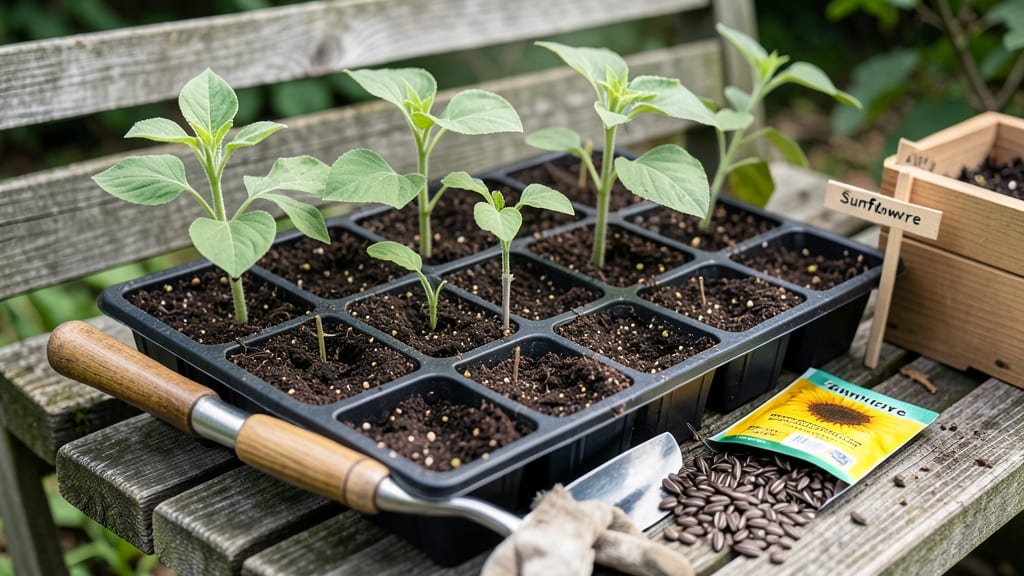
Planting sunflowers in the ground after your last frost date ensures they’ll reach their towering, sun-soaked potential instead of struggling in the cold.
Picture this: you’ve waited all winter for your garden to burst into color, but your 🌻 sunflowers barely make it past the seedling stage because you planted too early. That’s the frustration of timing it wrong—and it’s easier to avoid than you think.
Whether you’re in USDA Zone 6a or a warmer climate, the key is knowing your frost-free date and soil temperature. Most gardeners plant sunflowers between mid-April and early June, but regional tweaks can mean the difference between a 6-foot giant and a sad, stunted stem.
Below, I’ll walk you through the exact planting windows by zone, how to adjust for your local weather, and the simple care steps to keep your sunflowers thriving until harvest—no guesswork required.
USDA Zone planting timelines for sunflowers by region
Sunflowers love warmth and sunlight, but timing your planting correctly ensures they reach their full 6-12 foot glory instead of struggling through cold snaps. The USDA zone you live in determines your ideal planting window—whether it's early spring in Zone 3 or late summer in Zone 11.
Let’s break down the exact months and soil conditions for each zone to maximize your sunflower’s potential.
For most regions, sunflowers should be planted after the last frost date when soil temperatures consistently stay above 55°F (13°C). This ensures quick germination and robust growth. However, zones with extreme heat or short growing seasons require special adjustments—like early starts or late-season varieties—to extend your bloom time.
Here’s how to align your planting schedule with your local climate for peak sunflower success across all USDA zones.
| USDA Zone | Planting Window | Soil Temp for Germination | Frost-Free Date Target | Late-Season Option |
|---|---|---|---|---|
| Zones 3-4 | Mid-May to early June | 55-60°F (13-16°C) | May 15 - June 1 | Dwarf varieties (harvest before frost) |
| Zones 5-6 | Late April to mid-May | 55-65°F (13-18°C) | April 20 - May 10 | Early-blooming types (e.g., 'Teddy Bear') |
| Zones 7-8 | Early April to late May | 60-70°F (16-21°C) | March 20 - April 15 | Standard varieties (June-July blooms) |
| Zones 9-10 | February to early April | 65-75°F (18-24°C) | January 15 - February 20 | Heat-tolerant varieties (e.g., 'Autumn Beauty') |
| Zone 11 | Year-round (best: Sept-Nov or Jan-Feb) | 70-80°F (21-27°C) | No frost risk | Continuous harvest with staggered planting |
Note: Adjust for microclimates (e.g., urban heat islands may allow earlier planting).
In Zones 3-4, where winters are harsh, aim for mid-May to early June planting to avoid late frosts. Use dwarf varieties like 'Moulin Rouge' if you want to harvest seeds before the first frost hits in September.
These zones benefit from black plastic mulch to warm the soil faster and extend the season.
For Zones 5-6, late April to mid-May is ideal, but don’t rush—soil needs to stay warm for 2-3 weeks after planting. If you’re in a cooler microclimate, consider starter plants instead of direct sowing.
Varieties like 'Teddy Bear' (3-4 feet tall) are perfect for these zones and bloom in just 50-60 days.
Gardeners in Zones 7-8 have the most flexibility, with planting windows stretching from early April to late May. This is prime time for tall varieties like 'Russian Giant,' which can reach 12-16 feet with proper care.
Start seeds indoors 4-6 weeks before your last frost date if you want a head start.
In Zones 9-10, you can plant as early as February, but avoid extreme heat—sunflowers germinate best when soil temps are between 65-75°F (18-24°C). Heat-tolerant varieties like 'Autumn Beauty' thrive here and produce vibrant blooms from summer to fall. Succession planting every 2-3 weeks ensures continuous flowers.
Zone 11 gardeners enjoy the luxury of planting sunflowers year-round, but the sweet spot is September-November or January-February. This avoids the peak summer heat and ensures longer vase life for cut flowers. Use shade cloth during extreme heat to protect young seedlings.
Pro tip: Always check your local frost dates (available via the National Weather Service or Almanac tools) and adjust by 2-3 weeks if your area has unpredictable weather. Sunflowers are forgiving, but timing them right guarantees bigger blooms and healthier plants.
🌻
How to adjust sunflower planting for your local climate
Your local climate plays a bigger role in sunflower success than you might think. While USDA zones give a great starting point, microclimates, elevation shifts, and even nearby water bodies can shift your ideal planting window by weeks.
For example, a high-elevation garden in Zone 5 might need to plant 3 weeks later than a valley just 20 miles away.
Don't rely solely on frost dates—soil temperature is the real game-changer. Sunflower seeds need 55-60°F soil to germinate consistently. Use a soil thermometer ($10 at garden centers) to test your beds before planting.
Cold, wet soils can delay germination by 2-3 weeks, turning your cheerful sunflowers into sad, stunted stalks.
Here's how to fine-tune your planting schedule using local climate factors:
- 1 Check your last frost date—but add 10-14 days buffer for slow-warming soils. Use Local Climate Zones for hyper-local data.
- 2 Adjust for elevation: Every 1,000 ft gain delays planting by 1 week. Mountain gardens should wait until mid-May in most zones.
- 3 Monitor heat waves: If your area gets 90°F+ spells early, plant dwarf varieties first—they handle heat better than giants.
- 4 Use black plastic mulch to warm soil 5-7°F faster in cold climates. Lay it down 2 weeks before planting for early starts.
- 5 Plant succession crops: Stagger plantings every 2 weeks for continuous blooms. Late summer varieties need 90 days to mature—don't wait too late!
Unexpected weather throws off even the best-laid plans. If your area gets unpredictable late frosts (like the 2021 Texas freeze), consider container growing. Move pots indoors during cold snaps—sunflowers are surprisingly frost-tolerant once established but won't survive transplant shock if moved too late.
Pro tip: Track your garden's performance for 3 years to find your true sweet spot. Note when blooms appear, how tall they grow, and any weather quirks. My Zone 7 garden in a south-facing microclimate gets sunflowers blooming by early July—2 weeks ahead of neighbors in shaded yards.
Adjust your expectations based on real data, not just zone averages.
Remember, sunflowers are fast growers—they'll forgive minor timing mistakes better than delicate annuals. But for those showstopping 10-foot giants, precision pays off. Start with the basics, then tweak based on what your garden actually delivers.