
Flowers
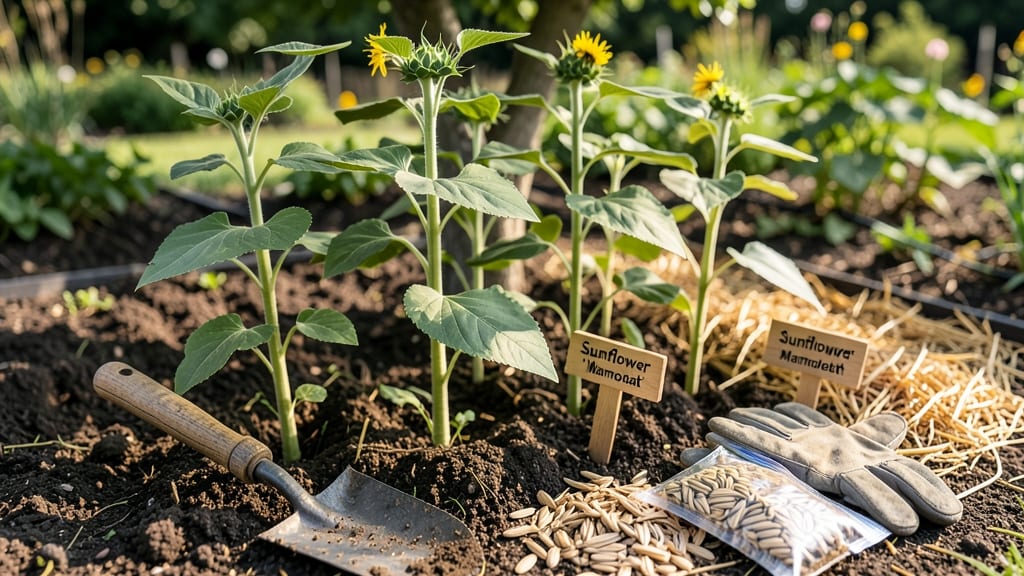
Planting sunflowers in Zone 8b means timing your seeds for soil warmth and frost-free days, not just the calendar.
Sunflowers thrive in Zone 8b’s warm climate, but planting them at the wrong time can mean wilted blooms instead of towering beauty. Timing is everything—learn the exact frost-free window and best weeks to plant for a sunflower showstopper.
Most gardeners in 8b wait until mid-March to April when the last frost has passed and soil temperatures hit 50°F+. But there’s also a fall window in August–September for late-season blooms.
Below, I’ll break down the ideal planting weeks, how to adjust for heat or cold snaps, and which sunflower varieties grow best in this zone.

Zone 8b sunflower planting timeline: frost-free soil checklist & temperature guide
Sunflowers love Zone 8b’s warm climate, but timing your planting is crucial for those towering blooms you dream of.
The key is waiting until after the last frost date—typically around January 15—but also ensuring your soil is warm enough. Cold soil slows germination, so aim for 50°F+ soil temperatures before planting.
In Zone 8b, you’ve got a 4-6 week window for spring planting, usually between late February and mid-April. This gives sunflowers enough time to mature before summer’s intense heat. Fall planting is also possible, but we’ll cover that later.
Here’s your frost-free checklist to nail the perfect planting time:
| Stage | Action | Ideal Timeframe |
|---|---|---|
| Soil Temperature | Test with a soil thermometer | 50°F+ (10°C+) |
| Last Frost Date | Check local averages | After January 15 |
| Spring Planting Window | Direct sow seeds | Late February–Mid-April |
| Soil Prep | Loosen soil, add compost | 2–4 weeks before planting |
| Germination Time | Expect sprouts in 7–14 days | With consistent moisture |
Planting too early in Zone 8b risks frost damage to young seedlings, while waiting too long may mean shorter blooms before summer’s heat peaks. Mid-March to early April is my sweet spot for most varieties, balancing warmth and daylight.
For early planting, consider cold-hardy varieties like 'Autumn Beauty', which can handle slightly cooler soil. These can go in as early as late February if your soil warms quickly. Late plantings in May still work but may produce smaller blooms due to summer’s intensity.
Pro tip: Use a soil thermometer to confirm readiness—50°F+ is non-negotiable for germination. If your soil is cooler, wait a week or two. Patience pays off with taller, healthier sunflowers.
Zone 8b’s long growing season also allows for fall planting, but we’ll dive deeper into that in the next section. For now, focus on spring’s 4-6 week window to ensure your sunflowers reach their full potential before summer’s heat sets in.
Remember, sunflowers are direct-sown—no need for indoor starts. Just scratch seeds 1 inch deep, space them 6–12 inches apart, and watch them shoot up toward the sun. 🌻
Best weeks to plant sunflowers in Zone 8b: month-by-month breakdown for maximum blooms
Sunflowers in Zone 8b love the warmth but need precise timing to avoid heat stress or late-season frost damage. The ideal planting window spans from early spring to late summer, with two peak periods: March–April for spring blooms and August–September for fall displays.
Missing these windows can shorten your sunflower season—or worse, leave you with stunted plants.
In Zone 8b, soil temperatures must reach 50°F (10°C) before planting, which typically aligns with late February to early March. However, early sowing (before mid-March) risks cold snaps, while late sowing (after May) may produce smaller blooms due to summer heat.
Let’s break down the best weeks for each season to maximize your sunflower show.
🌱 Your Zone 8b Sunflower Planting Calendar
- Spring Planting: Mid-March to early May (Weeks 1–4 for early varieties, Weeks 6–8 for standard types). Aim for 4–6 weeks before last frost (typically December 15 in Zone 8b).
- Summer Planting: June–July (Weeks 12–16). Use heat-tolerant varieties like 'Autumn Beauty' or 'Moulin Rouge' to avoid bolting or wilting in 90°F+ temps.
- Fall Planting: Late August to mid-September (Weeks 34–38). Seedlings need 60–80 days to mature, so plant early enough to bloom before first frost (Dec 15).
- Extended Season Tip: For continuous blooms, stagger plantings every 2 weeks in spring and fall. This ensures flowers from June through October!
- Soil Prep: Test soil pH (6.0–7.0) and amend with compost 2 weeks before planting. Sunflowers hate soggy soil—ensure well-draining beds.
For spring planting, focus on Weeks 1–4 (mid-March to early April) when soil warms to 50°F+.
This gives sunflowers enough time to establish roots before summer heat arrives. Early varieties like 'Teddy Bear' (2–3 ft tall) mature faster (60–70 days), while standard varieties like 'Russian Giant' (12–16 ft) need 80–120 days—so plant them by early May at the latest.
If you crave summer sunflowers, don’t skip June–July plantings! While sunflowers tolerate heat, direct afternoon shade (e.g., near a fence) helps prevent leaf scorch during 100°F+ days. Choose drought-resistant varieties like 'ProCut' for easier care. Water deeply every 5–7 days to encourage strong stems.
Fall plantings in August–September reward you with late-season color when other flowers fade. Seedlings planted by Week 34 (late August) will bloom by October, while Week 38 (mid-September) plantings may need row covers to protect from early frost. Avoid planting after Week 40—sunflowers won’t mature in time!
Pro tip: Use black plastic mulch to warm soil faster in spring or shade cloth in summer to regulate temperatures. For container growing, plant in 5-gallon pots and place them in full sun—just ensure pots have drainage holes to prevent root rot.