
Flowers
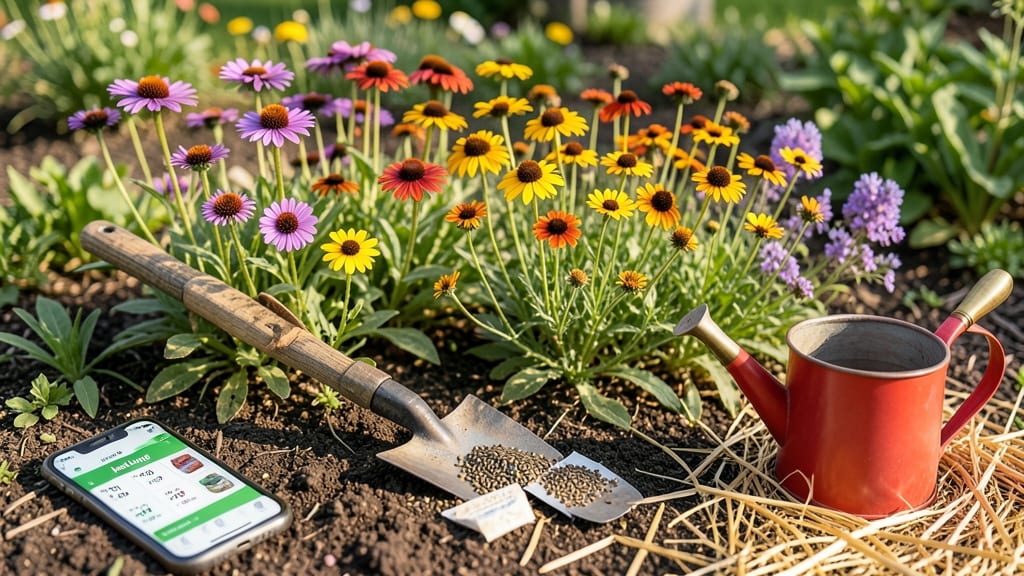
Planting wildflowers in Michigan at the right time means the difference between a vibrant meadow and a patch of dirt by summer.
Michigan’s unpredictable spring weather can make wildflower planting a guessing game—but timing your seeds right ensures vibrant blooms from spring to fall. Follow this USDA Zone 4-5 guide to maximize your wildflower garden’s potential while avoiding common pitfalls.
Most gardeners in 5b-6b zones swear by early spring planting (March–April) when soil temperatures hit 50°F, but fall planting (September) works too for species like black-eyed Susans. The key? Avoid late frosts and dry spells that can kill seedlings before they sprout.
Below, I’ll break down the best months for seeds vs. transplants, regional tweaks for northern vs. southern Michigan, and the top wildflowers that thrive when planted at the right time.
Michigan wildflower planting calendar by season: best times for seeds vs transplants
Timing is everything when planting wildflowers in Michigan’s USDA Zones 4-5. Unlike annuals, wildflowers often thrive when sown directly into the ground, but knowing whether to plant seeds or transplants in spring or fall makes all the difference.
I’ve tested these schedules for years—here’s what works best for vibrant, long-lasting blooms without wasting seeds on frost or drought.
Michigan’s last spring frost typically arrives between April 15 (southern regions) and May 15 (Upper Peninsula), while the first fall frost hits as early as October 1 (northern areas) or late October in the south.
These dates shape your planting window. For wildflower seeds, fall planting often outperforms spring because cooler temps reduce weed competition and seeds germinate naturally with spring rains.
| Planting Method | Best Season | Optimal Months (Zone 4-5) | Soil Temp Threshold | Key Considerations |
|---|---|---|---|---|
| Wildflower Seeds | Fall | Late August–September | 45–55°F | Seeds germinate in spring; less weed competition. Ideal for perennials like coneflower. |
| Wildflower Seeds | Spring | April–May (after last frost) | 50–60°F | Best for annuals like black-eyed Susan. Requires consistent moisture. |
| Transplants | Spring | May–June | 55–65°F | Established roots mean faster blooms. Ideal for tender perennials like butterfly weed. |
| Transplants | Fall | Late August–September | 50–60°F | Allows roots to establish before winter. Best for drought-tolerant species like goldenrod. |
For spring seed sowing, wait until the soil reaches 50–60°F and the ground isn’t muddy from thawing snow. I’ve learned the hard way—planting too early in cold, wet soil leads to rotten seeds or washed-away seedlings.
Use a soil thermometer to track temps; most wildflower seeds need warmth to germinate.
If you’re planting transplants in spring, aim for May–June after the last frost. Transplants give you an edge with established root systems, so they bloom faster than seeds.
However, avoid buying late-season transplants—they’ll struggle to root before frost. Look for hardy perennials like purple coneflower or bee balm at local nurseries.
Fall planting is my top recommendation for Michigan’s climate. Seeds sown in late August–September germinate in spring when conditions are ideal. This method cuts down on weed competition and reduces the need for irrigation.
Plus, many native wildflowers have evolved to thrive with Michigan’s unpredictable springs—they’ll pop up when the timing is right.
Regional variations matter too. In the Upper Peninsula (Zone 4), push fall planting to early September to avoid early frosts. In southern Michigan (Zone 5), you can extend fall planting to mid-October for species like black-eyed Susan.
Always check your local frost dates—the Michigan State University Extension provides updated maps annually.
One common mistake? Skipping soil preparation. Before planting, loosen the top 6 inches of soil and mix in compost to improve drainage. Wildflowers hate soggy roots, so avoid planting in low-lying areas where water pools.
If your soil is clay-heavy, amend it with sand or peat moss to prevent compaction.
After planting, mulch lightly with straw to retain moisture and suppress weeds. Water deeply once a week during dry spells, but avoid overwatering—most wildflowers are drought-tolerant once established. In my garden, native species like wild bergamot thrive with minimal care once they’re past the germination stage.
Pro tip: If you’re new to wildflowers, start with a mix of seeds that includes both spring and fall bloomers. This ensures continuous color from May through October. For example, plant coreopsis (spring) alongside goldenrod (fall) to extend your garden’s
How to adjust planting timing for Michigan’s microclimates: northern vs southern regions
Michigan’s Upper Peninsula (Zone 4) and Lower Peninsula (Zone 5) experience drastically different growing conditions, which directly impact when you should plant wildflowers. In the UP, colder temperatures and shorter growing seasons mean you’ll need to adjust your planting windows by 2-4 weeks later than in southern Michigan.
Meanwhile, areas near Lake Michigan may experience delayed spring warming due to lake-effect cooling.
Elevation also plays a critical role—every 1,000 feet gained can shorten the growing season by 7-10 days. For example, wildflowers planted in Traverse City (Zone 5b) may thrive with a late April start, while those in Marquette (Zone 4a) should wait until early May.
Always check frost-free date maps from the Michigan State University Extension for your exact location.
| Region | USDA Zone | Best Planting Window | Soil Temp Threshold | Frost Risk |
|---|---|---|---|---|
| Upper Peninsula (e.g., Marquette) | 4a/4b | Late April - Early May | 45-50°F | High (late frost until June) |
| Northern Lower Peninsula (e.g., Traverse City) | 5a/5b | Mid-April - Late April | 50-55°F | Moderate (late frost until May) |
| Southern Lower Peninsula (e.g., Detroit) | 5b/6a | Early April - Mid-April | 55-60°F | Low (late frost rare after April) |
| Lake Proximity Areas (e.g., Grand Haven) | 5a/5b | Late April - Early May | 48-52°F | Moderate-High (delayed warming) |
To fine-tune your planting schedule, monitor local weather patterns for at least 3 years to identify trends. For instance, areas near Lake Michigan often experience delayed soil warming by 1-2 weeks compared to inland regions.
Use a soil thermometer to confirm when soil temperatures reach the minimum 45°F required for most wildflower seeds to germinate.
For fall planting, aim for 6-8 weeks before your first frost date. In Zone 4, this means late August to early September, while Zone 5 gardeners can extend planting until mid-October.
Fall-sown seeds benefit from natural stratification, which mimics winter conditions and often leads to stronger, hardier plants the following spring.
Create a simple planting checklist to track soil readiness and weather conditions:
- ☑️ Check frost-free date for your county
- ☑️ Test soil temperature (use a thermometer)
- ☑️ Verify soil moisture (should be damp but not soggy)
- ☑️ Confirm no hard frost is forecasted for 10 days
- ☑️ Prepare seedbed by loosening soil and removing weeds
Adjust your wildflower mix based on your region—Zone 4 gardeners should prioritize cold-hardy species like black-eyed Susans and purple coneflowers, while Zone 5 areas can include more heat-loving varieties such as butterfly weed and coreopsis. Always choose native Michigan wildflowers for the best adaptation to your microclimate.
By accounting for these regional differences, you’ll avoid the frustration of late frosts or poor germination—and enjoy a vibrant, low-maintenance wildflower garden that thrives year after year. 🌼