
Flowers
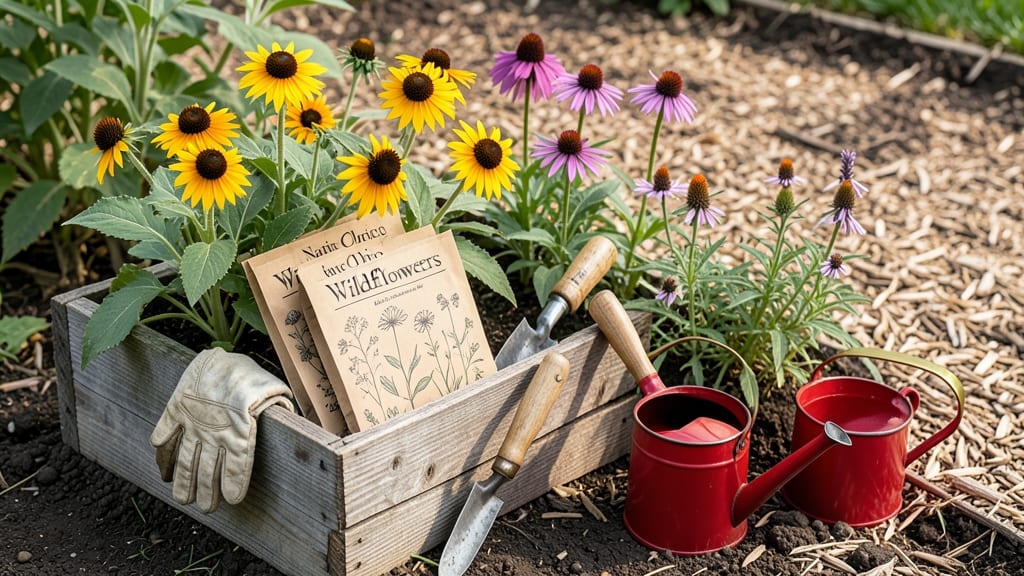
Planting wildflowers in Ohio at the right time ensures vibrant blooms all season long, whether you choose early spring or fall for best results.
Ohio’s diverse climate—from humid summers to chilly winters—can make wildflower planting tricky, but timing your seeds right ensures a burst of color that attracts pollinators and thrives year after year.
For Zone 6a gardeners, the ideal windows are March-April or September-October, when soil temperatures cooperate and frost risks are low. Native species like black-eyed Susans and coneflowers love these conditions, and proper prep—like loosening soil and adding compost—sets them up for success.
Below, I’ll break down the best months by zone, share top native picks for Ohio’s soil, and reveal pro tips to avoid common mistakes that kill germination before it starts.
Ohio’s best wildflower planting months by hardiness zone
Ohio’s wildflower gardeners know timing is everything—plant too early, and frost zaps your seedlings; too late, and summer heat stunts growth. The state’s USDA hardiness zones 5-7 create distinct windows for planting annuals, perennials, and native species like black-eyed Susans (Rudbeckia hirta) and eastern coneflowers (Echinacea purpurea).
I’ve broken down the best months for each zone to maximize blooms and pollinator visits.
Spring planting in Ohio typically starts 4-6 weeks before your last frost date, while fall offers a second chance for perennials to establish roots before winter. For zone 5 (northwest Ohio), aim for March-April or September-October—cooler temps reduce stress on young plants.
In zone 7 (southern Ohio), you’ve got a slightly extended window, but don’t wait past mid-April or early November.
Native wildflowers thrive with Ohio’s climate, but their planting windows vary. Annuals like cosmos can handle late spring sowings, while perennials need early starts. Below, I’ve mapped out the ideal months for each zone, including soil prep tips to ensure success.
For spring planting, focus on annuals like cosmos and zinnias—they germinate quickly in warm soil. Start seeds indoors in zone 5 by early March for a head start. Perennials like coneflowers prefer cooler spring temps, so sow them directly after your last frost date.
In zone 7, you can even push annuals into May for late-summer blooms.
Fall planting is my favorite strategy for perennials and self-seeding natives. The 6-8 weeks before first frost gives roots time to establish without competing with summer heat.
In zone 6b, aim for early September—this lets seeds germinate before winter dormancy. Black-eyed Susans and purple coneflowers are perfect for fall sowing; they’ll reward you with 3-5 years of blooms.
Ohio’s clay-heavy soils can be tricky, but amending with compost or sand improves drainage. For sandy soils (common in northeast Ohio), mix in peat moss to retain moisture. Always water deeply after planting—this encourages roots to grow downward, making wildflowers more drought-resistant once established.
Pro tip: Scarify hard seeds (like coreopsis) by lightly scratching the seed coat with sandpaper before planting. This mimics natural weathering and boosts germination rates. For large seeds like sunflowers, plant them 1/2 inch deep; tiny seeds like lupine only need a light press into soil.
Remember, Ohio’s microclimates vary. Urban areas in zone 6a might stay cooler than rural spots, while southern Ohio’s zone 7b can handle later plantings. Always check your local frost dates and adjust accordingly.
With the right timing, your wildflower meadow will burst into color from late spring through fall, supporting bees, butterflies, and hummingbirds along the way.
How to choose wildflowers for Ohio’s climate and soil types
Ohio’s varied soil types—from heavy clay to rocky limestone and sandy loam—can feel overwhelming for wildflower gardeners. But native species thrive here, offering vibrant blooms with minimal fuss. The key? Matching plants to your local conditions and understanding their planting needs.
For urban gardens with compacted soil, drought-tolerant varieties like purple coneflower excel. In rural areas with loamy soil, black-eyed Susans and butterfly weed flourish, attracting pollinators effortlessly. Each plant has unique depth and spacing requirements—critical for germination success.
Here’s a curated list of top 10 native wildflowers tailored to Ohio’s soil types and climate challenges, plus precise planting guidelines:
- 🌱 Purple Coneflower (Echinacea purpurea)
- Soil: Adaptable (clay, loam, sandy)
- Depth: ¼ inch
- Spacing: 12–18 inches apart
- Bonus: Drought-resistant, attracts bees
- 🌼 Black-Eyed Susan (Rudbeckia hirta)
- Soil: Well-draining (avoid waterlogged clay)
- Depth: ⅛ inch
- Spacing: 10–12 inches apart
- Bonus: Thrives in poor soil, long bloom season
- 🌻 Butterfly Weed (Asclepias tuberosa)
- Soil: Sandy or rocky (hates clay)
- Depth: ½ inch
- Spacing: 18–24 inches apart
- Bonus: Host plant for monarch butterflies
- 🌷 Wild Bergamot (Monarda fistulosa)
- Soil: Limestone or alkaline
- Depth: ⅛ inch
- Spacing: 12–15 inches apart
- Bonus: Fragrant foliage, attracts hummingbirds
- 🌿 Goldenrod (Solidago spp.)
- Soil: Moist to dry (tolerates clay)
- Depth: ¼ inch
- Spacing: 12–18 inches apart
- Bonus: Late-season nectar for bees
For clay-heavy soils, amending with compost or sand improves drainage—critical for plants like butterfly weed. In limestone areas, wild bergamot and wild columbine thrive naturally. Always loosen soil to ¼-inch depth before sowing seeds to prevent compaction.
Pro tip: Group drought-tolerant species like coneflower and blazing star together to create a low-maintenance meadow. Space them 12–18 inches apart for optimal air circulation, reducing fungal risks. Mulch lightly with straw after planting to retain moisture without smothering seedlings.
Ohio’s native wildflowers reward patience—once established, they’ll return year after year with minimal care. Start with 3–5 species to test your soil’s compatibility, then expand. Happy planting! 🌱