
Flowers
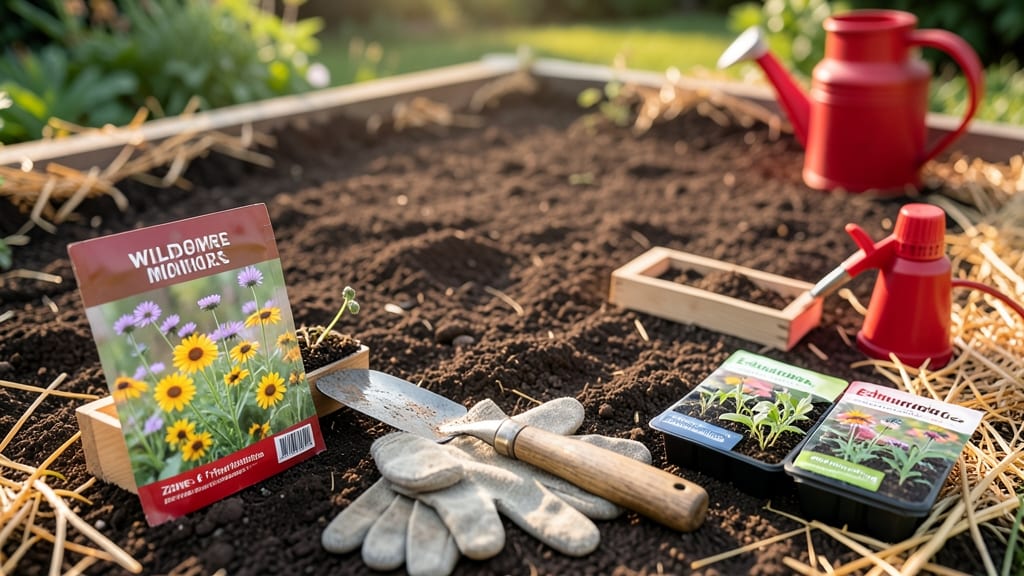
Planting wildflowers in Zone 6 at the right time means the difference between a burst of color and a patch of dirt for months.
Picture this: your garden bursting with 🌼 wildflowers by late spring, hummingbirds darting between blooms, and bees buzzing happily. But miss the planting window, and you’ll be left with bare soil until next year. Timing isn’t just important—it’s the key to a thriving meadow.
In Zone 6, the best months to plant wildflowers are early spring (March-April) or early fall (September-October). These windows give seeds the perfect start—warm enough to germinate but cool enough to avoid drought stress. Spring planting sets you up for summer blooms, while fall planting ensures early spring color.
Below, I’ll break down the exact steps for prepping soil, choosing the right seeds, and avoiding common mistakes. Whether you’re sowing a wildflower meadow or just brightening up a corner of your yard, this guide will help you get it right the first time.

Optimal planting months for wildflowers in Zone 6 by season
In Zone 6, getting your wildflowers planted at the right time ensures vibrant blooms and healthy growth. The last frost date around April 15 and first frost date near October 15 create a narrow window for planting that maximizes success.
Whether you're planting annuals or perennials, timing matters—especially for attracting pollinators like bees and butterflies.
Spring planting is ideal for annual wildflowers, which burst into color within weeks. Fall planting, however, gives perennial varieties time to establish roots before winter.
Both seasons offer unique advantages, but knowing the exact soil temperature and moisture levels is key to avoiding common pitfalls like poor germination or early frost damage.
| Season | Best Months | Soil Temp | Plant Type | Bloom Time |
|---|---|---|---|---|
| Spring | March–April | 45–60°F | Annuals | May–September |
| Summer | Avoid | N/A | N/A | N/A |
| Fall | September–October | 50–65°F | Perennials | Next spring |
| Winter | Avoid | N/A | N/A | N/A |
For spring planting, aim for early March to mid-April when soil temperatures reach 45–60°F. This window ensures seeds germinate quickly before summer heat arrives. Annual wildflowers like Black-Eyed Susan and Cosmos thrive when planted this way, delivering bold blooms from May through September.
Always test soil moisture—dry conditions can delay germination.
Fall planting, from September to October, is perfect for perennial wildflowers such as Coneflower and Bee Balm. These varieties establish roots before winter, giving them a head start for next year’s blooms.
Soil temperatures should stay between 50–65°F, and avoid planting too close to the first frost.
Summer planting is generally not recommended for wildflowers in Zone 6, as the intense heat and drought conditions stress young seedlings. If you must plant in summer, choose heat-tolerant varieties like Sunflower and water deeply every 5–7 days. However, even these may struggle without consistent moisture.
Winter planting is a no-go for wildflowers in Zone 6. The frozen ground and cold temperatures prevent seed germination. Instead, focus on preparing your garden beds by removing weeds and adding compost in late winter to enrich the soil for spring planting.
One of my favorite Zone 6 wildflowers is Purple Coneflower, which blooms from July to October when planted in spring. For fall planting, Black-Eyed Susan is a top pick—its bright yellow blooms appear early in the season.
Both varieties attract butterflies and bees, making your garden a pollinator haven.
To maximize success, always scarify seeds (lightly nick them) if they’re from a native variety, as this mimics natural weathering and encourages germination. After planting, keep the soil consistently moist but not soggy
How to choose wildflower seeds for Zone 6’s climate and soil
Selecting the right wildflower seeds for your Zone 6 garden starts with understanding your local climate and soil conditions. Zone 6’s hot summers and cold winters demand seeds that thrive in temperature swings while supporting pollinators like bees and butterflies.
Native species are your best bet—they’re already adapted to your region’s rainfall patterns and nutrient levels.
Drought-tolerant varieties like black-eyed Susan and purple coneflower are excellent choices for Zone 6. These perennials require minimal water once established, making them perfect for low-maintenance gardens. If your soil is clay-heavy, mix in compost to improve drainage, while sandy soil may need organic matter to retain moisture.
🌱 Key Steps for Choosing Wildflower Seeds in Zone 6
- 🌿 Pick native seeds—they thrive in Zone 6’s humidity and temperature ranges. Look for Echinacea or Rudbeckia for long-lasting blooms.
- 💧 Check drought tolerance. Seeds labeled "drought-resistant" are ideal for Zone 6’s summer heat and occasional dry spells.
- 🌱 Prep soil properly: Loosen top 6 inches of soil and remove weeds. Add compost to boost nutrients.
- ✂️ Plant at the right depth: Most wildflower seeds need only 1/4 inch of soil coverage. Larger seeds (like sunflowers) can go deeper.
- 🌞 Space seeds correctly: Thin seedlings to 6-12 inches apart for optimal airflow and pollinator access.
For maximum germination, scatter seeds in early spring (March-April) or early fall (September-October). Spring planting ensures blooms by summer, while fall planting takes advantage of cooler temperatures and winter moisture. Avoid planting in extreme heat, as seeds can dry out before sprouting.
If your garden attracts butterflies, prioritize seeds like milkweed (for monarchs) or bee balm. These plants provide nectar and host plants for caterpillars. For colorful meadows, mix annuals like cosmos with perennials for year-round interest.
After planting, keep soil moist but not soggy for the first 4-6 weeks. Mulch lightly with straw to retain moisture and suppress weeds. Once established, wildflowers in Zone 6 need little extra care—just occasional watering during droughts.
Remember, the healthier your soil, the more vibrant your wildflowers will be. Test your soil’s pH (aim for 6.0-7.0) and adjust with lime or sulfur if needed. With the right seeds and prep, your Zone 6 garden will burst with color and life for years to come! 🌻