
How To
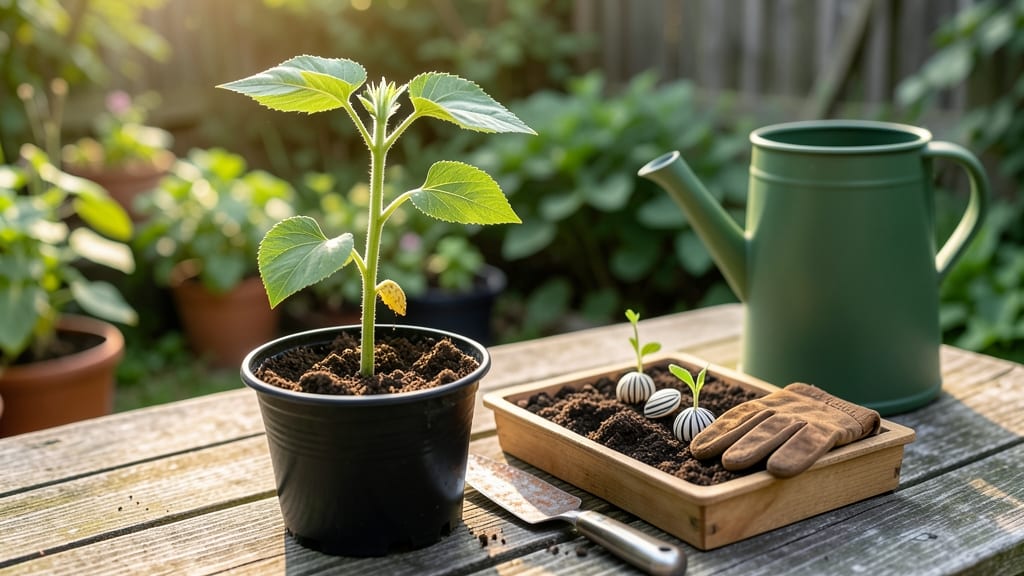
To sow sunflowers at the perfect time means catching that sweet spot between frost and summer heat — a window that shifts dramatically from Zone 3 to Zone 10.
Picture this: you’ve just scattered seeds into warm soil, only to watch them bolt in the next heatwave, or worse, rot in a late spring freeze.
The right timing isn’t just about months—it’s about soil temperature, daylight hours, and knowing your last frost date like the back of your hand.
In USDA Zone 6a, where I garden, the clock starts ticking after April 15th, but in warmer zones, you might be sowing as early as February. Miss the mark, and you’ll trade towering 10-foot blooms for stunted, pest-magnet plants.
Below, I’ll break down the exact months by zone, how to adjust for your microclimate, and the 3 key signs your sunflowers are ready to thrive—no guesswork included.
Best sunflower planting months by USDA Zone (exact timing for success)
Sunflowers thrive when planted at the perfect moment—too early, and frost will nip tender seedlings; too late, and you might miss those iconic summer blooms. The key lies in your USDA zone, which dictates your frost-free window and ideal soil temperatures for germination.
For most gardeners, the 2-3 month sowing window starts when soil reaches 55°F (13°C) and ends before summer heat peaks.
In cool climates (Zones 1-5), aim for late spring to early summer, while warmer zones (6-11) can start as early as March. The trade-off? Early planting yields taller stems but risks pests, while late planting produces shorter, sturdier plants with delayed blooms.
Let’s break down the exact months for your zone—and how to adjust for your microclimate.
| USDA Zone | Ideal Sowing Window | Soil Temp Requirement | Germination Time | Early vs. Late Trade-offs |
|---|---|---|---|---|
| Zones 1-3 (Coldest) | Late May - Early June | 55°F (13°C)+ | 7-10 days | Early: Tall but short season; Late: Stunted growth |
| Zones 4-5 (Cool) | Mid-April - Mid-May | 55°F (13°C)+ | 7-10 days | Early: Risk of pests; Late: Delayed blooms |
| Zones 6-7 (Temperate) | March - Early May | 50°F (10°C)+ | 5-8 days | Early: Best height; Late: Shorter but sturdy |
| Zones 8-9 (Warm) | February - April | 60°F (16°C)+ | 4-7 days | Early: Longer season; Late: Risk of bolting |
| Zones 10-11 (Tropical) | January - March | 65°F (18°C)+ | 3-5 days | Early: Best for heat; Late: Minimal growth |
For Zones 1-3, where winters are brutal, wait until after your last frost date—typically late May—and choose fast-maturing varieties like 'Autumn Beauty' (60-70 days to bloom). In Zones 4-5, you’ve got flexibility: sow in April for towering stems or May for pest-resistant plants.
My personal trick? Plant a successive batch in June for a second flush of blooms before frost.
In Zones 6-7, the sweet spot is March to early May, when soil warms to 50°F (10°C). This gives seeds 100+ frost-free days to mature. Pro tip: Use a soil thermometer—sunflowers won’t germinate below 55°F (13°C), even if the air feels warm.
For Zones 8-9, start in February for giant varieties like 'Russian Giant' (120+ days), but shift to March for shorter types like 'Teddy Bear' (50-60 days).
If you’re in Zones 10-11, sow in January for year-round blooms, but beware of bolting (premature flowering) in extreme heat. I’ve seen sunflowers in Zone 10 bolt in just 30 days if temperatures exceed 90°F (32°C).
To prevent this, provide afternoon shade with a lightweight row cover until seedlings are established.
One common mistake? Planting too early in warm zones, which leads to leggy, weak stems that flop before blo
How to adjust sunflower sowing for your local microclimate (beyond USDA Zones)
Your USDA zone gives you a starting point, but local microclimates can shift sunflower planting dates by 2-4 weeks. Urban heat islands, high-altitude chill, or coastal winds create unique challenges.
I’ve grown sunflowers in Zone 6a cities where pavement radiates heat, and in mountain gardens where nights stay cool—here’s how to adapt.
For example, urban gardens often experience 5-10°F warmer soil temperatures than rural areas, letting you plant 2 weeks earlier. Meanwhile, high-altitude gardens (above 5,000 ft) may need to wait until soil reaches 60°F—sometimes as late as mid-June—to avoid frost damage.
🌱Pro Tip: Use a soil thermometer ($10 at garden centers) to confirm readiness. Sunflower seeds won’t germinate below 55°F, and seedlings can’t handle nighttime temps below 50°F.
⚠️ Microclimate Warning: Planting Too Early or Late
In urban heat islands, sowing before May 15 risks bolting too fast (tall but no blooms) or attracting sunflower moths before seeds mature. In coastal areas, delay until after Memorial Day to avoid wind damage to delicate stems. High-altitude gardens? Wait until soil is 60°F+—even if your neighbor in the valley plants in April.
To protect seedlings in tricky climates, use row covers (like Reemay fabric) for 2-3 weeks after sowing. These create a 5°F warmer microclimate and shield from wind or hail. For coastal gardens, stake young plants with bamboo stakes at 1-foot intervals to prevent toppling.
If your spring is unpredictable (hello, unreliable frost dates!), sow successive batches every 2 weeks until June 15. This spreads out blooms and ensures at least one batch matures. I’ve used this trick in Zone 5b with ‘Autumn Beauty’—even late plantings gave me 8-foot stalks by September.
For high-altitude gardens, choose short-day varieties like ‘ProCut’ (60 days to maturity) over ‘Mammoth’, which needs 120+ days. Pair this with black plastic mulch to warm soil 5-7°F faster than bare earth. In Zone 7a mountains, this lets me plant 3 weeks earlier than without mulch.
🌿Key Takeaway: Adjust your sunflower sowing date by 1-4 weeks based on your microclimate. Use soil thermometers, row covers, and successive plantings to hedge against weather surprises. Even in tough conditions, sunflowers will reward you with bold blooms—if you give them the right timing!