
Flowers
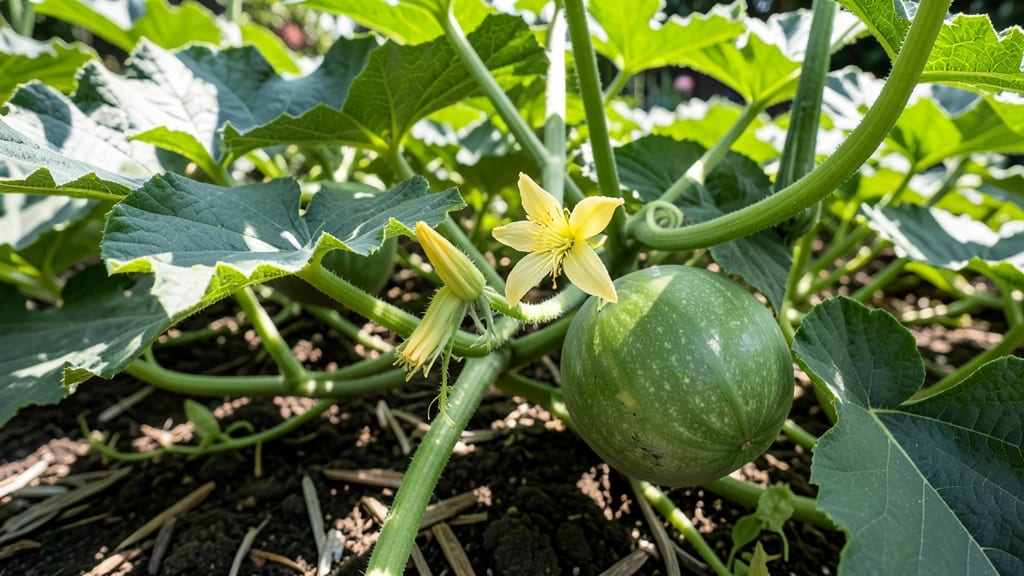
Turning cantaloupe flowers into fruit isn’t just luck—it’s a mix of timing, care, and a few smart tricks that can boost your harvest from zero to plenty.
Picture this: you’ve nurtured your cantaloupe plants all spring, only to watch those delicate blossoms drop without a trace. Frustrating, right? The secret lies in understanding how pollination works—and how to give your plants the best shot at success.
From hand-pollination techniques to choosing the right companion plants, this guide covers everything you need to know. We’ll dive into the critical 48-hour window for fruit set, troubleshoot common issues like poor development, and share pro tips to maximize your yield.
Ready to turn those flowers into sweet, ripe cantaloupes? Let’s get growing!
How cantaloupe flowers develop into fruit: the pollination process explained
When those delicate cantaloupe flowers bloom in your garden, they hold the promise of sweet, juicy fruit—but only if pollination happens correctly. The transformation from flower to fruit is a 48-hour window where everything must align perfectly.
Understanding this process helps you troubleshoot when fruits fail to set or drop early.
Cantaloupe flowers are monoecious, meaning each plant produces separate male and female blooms. The male flowers appear first, followed by female flowers that have a tiny fruit bud at their base. Without proper pollination, those female flowers simply wilt away, leaving you with no fruit to harvest.
| Stage | Key Features | Critical Factors |
|---|---|---|
| Male Flower | Long stem, no fruit bud; produces pollen | Must open in morning for pollen release |
| Female Flower | Shorter stem, small fruit bud at base | Receptive for 48 hours after opening |
| Pollination Window | Pollen must transfer within 2 days | Humidity below 70% improves success |
| Fruit Set | Bud swells, petals drop | Temperature 75-85°F ideal |
| Failed Pollination | Bud remains small, wilts | Check for pests or poor weather |
Once a female flower is pollinated, its fruit bud begins to swell within 24-48 hours. This is your first sign of success! The petals will drop naturally, and you'll notice the tiny fruit starting to grow.
If you see flowers wilting without any bud development, it’s a clear sign that pollination didn’t occur.
Temperature plays a crucial role in this process. Cantaloupes thrive between 75-85°F during pollination. When temperatures drop below 60°F or rise above 95°F, pollen production and flower receptivity suffer. High humidity can also interfere by making pollen sticky and less effective at transferring.
Bees are the primary pollinators for cantaloupes, but they aren’t always reliable. If you notice few bees visiting your garden, consider hand-pollinating. Using a small paintbrush, gently transfer pollen from male flowers to female flowers early in the morning when they’re most receptive.
Another critical factor is plant health. Stressed cantaloupe plants produce fewer flowers and weaker pollen. Ensure your vines have consistent watering, balanced fertilization, and protection from pests like cucumber beetles, which can damage flowers before pollination occurs.
Even after successful pollination, young fruits can drop if the plant isn’t getting enough nutrients or water. This is often called "fruit drop" and usually happens within the first 7-10 days after set. To prevent this, provide potassium-rich fertilizer and maintain even moisture levels in the soil.
If you're growing cantaloupes in containers or greenhouses, you may need to take extra steps to ensure pollination. Using a small electric vibrator (like those for tomato plants) can help transfer pollen when bees aren’t available.
Simply hold it near the flowers for a few seconds to mimic bee activity.
Pay attention to the color and size of your female flowers. Healthy ones will have vibrant yellow petals and a noticeable fruit bud at the base. If flowers appear pale or small, it’s a sign the plant may be nutrient-deficient or stressed.
By understanding these key stages and environmental factors, you can dramatically increase your cantaloupe’s fruit set success. The difference between a bountiful harvest and a disappointing yield often comes down to these 48 critical hours after pollination. 🌱
5 Proven pollination tricks to boost cantaloupe fruit set rates
Cantaloupes rely heavily on successful pollination to transform those delicate yellow blooms into sweet, ripe fruit. When bees aren’t visiting enough—or at all—your plants may produce fewer fruits or even drop blossoms entirely.
The good news? You can take control with these five proven tricks that guarantee better fruit set, whether you're working with organic methods or mechanical assistance.
First, understand that cantaloupe flowers are self-pollinating but benefit from cross-pollination. The male and female flowers appear on the same plant, but they need help transferring pollen. Even a light breeze or buzzing bee can make the difference between a fruitful vine and a disappointing harvest.
Let’s dive into the practical techniques that work in my garden—and can work in yours too!
- 1
Use a soft paintbrush to transfer pollen from male to female flowers. Dip the brush into the male flower’s stamens (the yellow pollen-covered parts) and gently brush the female flower’s stigma (the small bump at the base of the blossom). Do this early morning when flowers are open.
- 2
Surround your cantaloupes with borage, marigolds, or sunflowers to attract pollinating bees. These plants produce nectar-rich flowers that bees love, increasing their visits to your cantaloupe blossoms. Aim for 3-5 companion plants per 10 feet of vine.
- 3
A small electric toothbrush or vibrating pollination tool can mimic bee activity. Gently touch the flower’s stigma to release pollen. This works best on cloudy or rainy days when bees aren’t active. Repeat every 2-3 days during flowering.
- 4
Avoid pesticides during flowering. Instead, use neem oil or soapy water sprays to deter pests. Plant native wildflowers nearby to create a bee-friendly habitat. Even a small water source (like a shallow dish with pebbles) helps attract pollinators.
- 5
Cantaloupes thrive in warm, sunny conditions (75–90°F). Ensure your plants get full sun and consistent watering (1–2 inches per week). Avoid overhead watering, which can wash away pollen. Mulch around plants to maintain stable soil moisture and temperature.
Once you’ve applied these tricks, keep an eye out for tiny fruit bumps forming at the base of female flowers within 48 hours. This is your sign that pollination worked!
If you’re still struggling, check for pests or nutrient deficiencies, which can also hinder fruit development. With patience and these techniques, you’ll be harvesting sweet cantaloupes in no time!
🌱