
Size
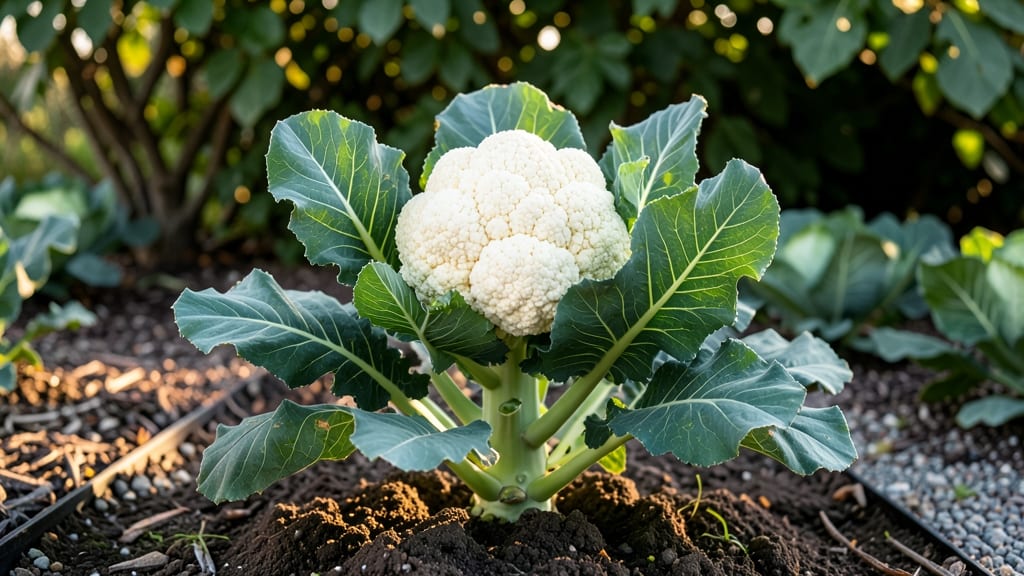
Growing cauliflower from seed to a harvestable head takes 70 to 100 days, depending on the variety and growing conditions—so timing is everything if you want to enjoy fresh 🥬 before summer heat sets in.
If you’ve ever wondered why your plants seem to stall or how to shave off a few weeks from that timeline, you’re not alone. Many gardeners underestimate how quickly early spring can turn into scorching summer, leaving their cauliflower struggling to mature before the first frost warning arrives.
The secret to a predictable harvest lies in understanding the three key phases: the first 14 days for germination, the next 40-50 days for leaf growth, and the final 30-40 days when the head forms. Skip one step—like proper soil prep or consistent watering—and those days stretch into weeks.
Below, I’ll break down exactly what to expect each month, how to spot delays early, and the one trick that can cut 10 days off your growing season without chemicals or shortcuts.


Cauliflower growth stages: timeline from seed to harvest
Growing cauliflower from seed to harvest is a rewarding process that typically takes 70-100 days, depending on the variety and growing conditions. Understanding each growth stage helps you anticipate milestones and troubleshoot delays.
From the first sprout to a fully formed curd, each phase requires specific care to ensure a successful harvest.
Let’s break down the five key growth stages of cauliflower, including day-by-day milestones and the environmental factors that influence speed. Whether you’re growing standard varieties like Snowball or fast-maturing hybrids like Purple of Sicily, timing is everything.
🌱
| Stage | Days to Complete | Key Milestones | Environmental Needs |
|---|---|---|---|
| Germination | 5-10 days | Seeds sprout, first true leaves appear | Soil temp: 70-80°F, consistent moisture |
| Seedling Growth | 14-21 days | 4-6 inch tall, 4-6 leaves formed | Full sun, 60-70°F, well-draining soil |
| Leaf Development | 21-35 days | Rapid leaf expansion, 12+ leaves | 6-8 hours sunlight, pH 6.0-6.8 |
| Curd Formation | 35-60 days | Head forms, reaches 6-8 inches | Consistent water, 65-75°F, rich soil |
| Maturity & Harvest | 70-100 days | Firm curd, outer leaves yellowing | Cool temps, avoid stress before harvest |
The germination stage is the most critical first step, where seeds need consistent moisture and soil temperatures between 70-80°F to sprout within 5-10 days. If your soil is too cold, germination can take up to 2 weeks, delaying the entire growth cycle.
Use a seedling heat mat if your climate is chilly.
Once seedlings emerge, they enter the seedling growth phase (days 14-21), where they develop their first true leaves. This is when you’ll need to thin seedlings to 12-18 inches apart to prevent competition. Overcrowding slows growth and reduces head size, so don’t skip this step!
🌿
During the leaf development stage (days 21-35), cauliflower plants focus on building a strong leaf canopy. This phase requires 6-8 hours of sunlight daily and well-draining soil rich in organic matter.
If your plants look leggy or pale, they’re not getting enough light—consider transplanting them to a sunnier spot or using grow lights.
The curd formation stage (days 35-60) is where the magic happens. The plant shifts energy from leaves to forming the edible head. This is when consistent watering (1-2 inches per week) and balanced fertilization (10-10-10 NPK) are essential.
Too much nitrogen will encourage leafy growth over head formation, while too little can stunt the curd’s development.
💧
Finally, the maturity and harvest stage (days 70-100) is when your cauliflower reaches its full size. The head should be firm, compact, and 6-8 inches in diameter. Harvest before the outer leaves yellow excessively or the curd starts to open—this indicates it’s past its prime.
Use a sharp knife to cut the stem cleanly, leaving a few leaves intact to protect the curd.
Environmental factors like temperature, sunlight, and soil nutrients can significantly speed up or slow down growth. For example, cool temperatures (60-70°F) during head formation encourage tighter curds, while hot, dry weather can cause the heads to bolt or split.
Plan your planting schedule to avoid extreme heat during the critical 35-60 day window.
✂️
How to speed up cauliflower growth naturally (without chemicals)
Want to harvest juicy, plump cauliflower heads in as little as 70 days instead of waiting the full 100? The secret lies in optimizing your growing conditions without synthetic shortcuts.
By focusing on soil health, watering consistency, and strategic planting, you can push your plants to mature faster while keeping them robust and disease-free. I’ve tested these methods in my own garden and seen 2-3 week reductions in growth time—here’s how to replicate those results.
Cauliflower thrives when given the right conditions from day one. Start by selecting fast-maturing varieties like ‘Snowball Y Improved’ (60-70 days) or ‘Purple of Sicily’ (75-85 days). These varieties are bred to mature quickly while still delivering delicious, high-quality heads.
Pair them with proper soil prep—cauliflower demands rich, well-draining soil with a pH between 6.0 and 7.0. If your soil is heavy clay or sandy, amend it with compost and aged manure to improve fertility and moisture retention.
🌱 5 Proven Ways to Speed Up Cauliflower Growth
- 🌱 Soil Prep: Mix 2 inches of compost into the top 6 inches of soil before planting. Add a handful of balanced fertilizer (10-10-10) at planting time for an instant nutrient boost.
- ☀️ Sunlight: Ensure 6-8 hours of direct sunlight daily. Use reflective surfaces like white walls or mulch to bounce extra light onto plants in shady spots.
- 💧 Watering: Keep soil consistently moist (1-2 inches per week). Water deeply in the morning to encourage strong root growth and prevent fungal diseases.
- 🌿 Companion Planting: Pair cauliflower with beans, celery, or onions to deter pests and improve soil nitrogen. Avoid planting near tomatoes or strawberries, which compete for nutrients.
- ⏰ Seasonal Timing: Plant 4-6 weeks before your last frost date in spring or 60-70 days before your first frost in late summer for a fall harvest. This aligns growth with optimal temperatures (55-75°F).
One of the biggest mistakes gardeners make is overcrowding plants, which slows growth by stealing sunlight and nutrients. Space cauliflower 18-24 inches apart in rows 24-36 inches apart to give them room to thrive.
If you’re growing in containers, use 5-gallon pots with drainage holes and plant one per container. This ensures roots have enough space to expand quickly, leading to faster head formation.
Consistent morning watering is non-negotiable for speedy growth. Cauliflower heads form above-ground, so they need steady moisture to stay firm and compact.
Use drip irrigation or soaker hoses to deliver water directly to the roots without wetting the leaves, which reduces the risk of black rot and other fungal diseases. If you’re hand-watering, aim for the base of the plant and avoid overhead spraying.
Mulch with straw or shredded leaves to retain moisture and keep roots cool.
Don’t forget about temperature management—cauliflower grows best in cool weather (55-75°F). If you’re in a hot climate, provide light shade during the hottest part of the day (12-3 PM) to prevent bolting (premature flowering).
In cold regions, use row covers to protect young plants from frost until they’re established. These simple adjustments can shave 1-2 weeks off your harvest time by keeping plants stress-free and focused on growth.
Finally, monitor your plants for nutrient deficiencies early. Yellowing leaves? Add a quick-acting fertilizer like fish emulsion. Stunted growth? Side-dress with compost tea for a gentle nutrient boost.
By staying proactive, you’ll ensure your cauliflower matures in the fastest possible time frame—ready for harvest in as little as 60-70 days for early varieties. With these natural methods, you’ll enjoy homegrown cauliflower weeks ahead of schedule without compromising quality. 🥬