
Flowers
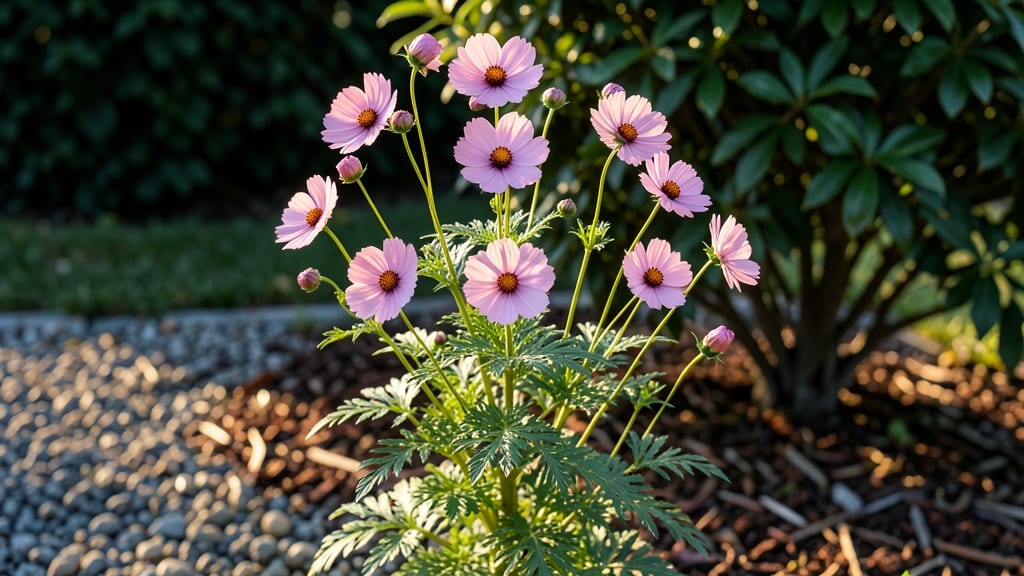
The height of cosmos flowers 🌸 can range from just 1 foot to towering over 6 feet, depending on the variety and growing conditions.
If you’ve ever planted cosmos only to watch them stretch skyward like they’re competing for a spot on the Eiffel Tower, you’re not alone. The good news? You can influence their height naturally—without chemicals or drastic pruning—by adjusting soil, sunlight, and spacing.
The key is understanding which cosmos types lean toward dwarf or giant growth and how to guide them toward your garden’s vision.
Dwarf cosmos stay compact at 12–18 inches, perfect for borders or container gardens, while standard varieties can soar to 4–6 feet, making them ideal for back rows or cut-flower arrangements.
Tall cosmos need room to grow, but even they can be coaxed into a more manageable shape with simple techniques like pinching back stems early in the season.
In this guide, I’ll break down exact height ranges by variety, share 3 easy ways to control growth, and reveal why your cosmos might be reaching for the clouds—and how to bring them back down to earth.
Whether you’re designing a pollinator-friendly meadow or a tidy cottage garden, cosmos height is your tool to work with.

Exact cosmos flower height by variety: dwarf to giant types
Choosing the right cosmos flower height for your garden can transform your landscape from cluttered to curated. These easy-care annuals come in three distinct height categories—dwarf cosmos (12–18 inches), standard cosmos (24–48 inches), and giant cosmos (up to 6 feet)—each serving unique purposes in your flower beds.
Whether you're framing a window box or creating a pollinator highway, selecting the right variety ensures your cosmos thrive without crowding out neighbors.
The cosmos flower height you choose directly affects your garden's airflow, sunlight distribution, and even pollinator traffic. Dwarf varieties like 'Purity' create lush borders, while towering 'Bright Lights' can serve as dramatic backdrops.
Understanding these height ranges helps you plan spacing, companion plants, and even pruning strategies to maintain your vision. Let's explore how each type grows and where they shine in your garden design.
If you're working with dwarf cosmos varieties, their compact stature makes them perfect for container gardening or edging pathways. Plant 'Purity' in a 6-inch pot and watch it spill over with delicate white blooms that attract butterflies.
These petite powerhouses also thrive in rock gardens where their airy foliage contrasts beautifully with succulents and ornamental grasses.
For standard cosmos height (24–48 inches), you'll find these varieties strike the perfect balance for cut flower arrangements. 'Sensation Pink' reaches about 36 inches at maturity, making it ideal for bouquet stems that hold their shape.
Space these 12–18 inches apart in your garden to allow airflow and prevent fungal issues. Their mid-height form also works wonders in pollinator gardens, where they provide nectar without overshadowing low-growing herbs.
When giant cosmos varieties enter the scene, your garden takes on a completely different character. Reaching 4–6 feet tall, these varieties like 'Bright Lights' become the stars of your landscape.
Their towering presence makes them perfect for backdrop planting behind shrubs or as a living screen along fences. Just be prepared to stake them—especially in windy areas—to prevent flopping.
Proper cosmos spacing is crucial for healthy growth, regardless of variety. Crowding leads to leggy stems and fewer blooms, while over-spreading can smother neighboring plants. For dwarf cosmos, maintain 8–12 inches between plants. Standard cosmos need 12–18 inches, and giant varieties require 18–24 inches.
This spacing ensures each plant gets the sunlight and air circulation it needs to reach its full potential height.
One common mistake gardeners make is assuming all cosmos grow the same height. While they share similar care needs, their genetic growth habits vary dramatically.
For example, Cosmos bipinnatus (standard type) might only reach 3 feet in partial shade, while Cosmos sulphureus (giant type) can stretch to 5 feet in full sun. Always consider your microclimate when selecting varieties—especially if you're in a cooler region where growth may be slightly stunted.
To maximize your cosmos' height potential, focus on three key factors: sunlight exposure, soil fertility, and water consistency. Cosmos thrive in full sun (6+ hours daily), but they'll grow taller (sometimes too tall) if deprived of light.
For shorter cosmos, provide light afternoon shade during peak summer months. Amend your soil with compost to encourage sturdy stems, and water deeply once a week rather than frequent shallow watering, which promotes legginess.
For gardeners who love cosmos but want to control their height, try the "pinch and prune" method. When seedlings reach 6 inches tall, pinch off the top set of leaves
Natural ways to control cosmos flower height without chemicals
If your cosmos flowers are shooting up faster than you’d like, don’t worry—you can manage their height naturally without resorting to harsh chemicals. Cosmos plants naturally grow tall, but with the right techniques, you can encourage compact growth while keeping them healthy and blooming beautifully.
The key lies in pruning strategies, soil management, and companion planting that work with the plant’s natural tendencies rather than against them.
One of the simplest ways to control cosmos flower height is through selective pruning. By pinching back the tips of young plants, you encourage bushier growth and prevent them from becoming leggy. This method is especially effective for tall cosmos varieties that might otherwise tower over your garden beds.
The best time to prune is in the early morning when the plant is hydrated, and always use clean, sharp pruners to avoid damaging the stems.
Pinch Back Young Shoots
Use your fingers or clean pruners to pinch off the top 1-2 inches of new growth when plants are 6-8 inches tall. This encourages lateral branching and a bushier form.
Deadhead Regularly
Remove spent blooms by snipping just above a leaf node. This redirects energy to new flower production instead of tall, leggy stems.
Use Companion Planting
Plant cosmos near dwarf marigolds or basil to naturally suppress excessive height. These companions compete for nutrients, promoting shorter, stockier growth.
Amend Soil with Compost
Add 2-3 inches of compost to planting holes before transplanting. Rich, well-draining soil promotes strong root systems, which naturally limits excessive height.
Space Plants Properly
Give cosmos 12-18 inches of space if you want compact growth. Overcrowding forces plants to compete, resulting in taller, weaker stems.
Another effective method is to use organic soil amendments like compost or worm castings. These improve soil fertility and structure, which helps cosmos develop stronger stems that are less likely to flop or grow excessively tall.
I’ve found that adding a handful of kelp meal at planting time also boosts overall plant health, making them more resistant to environmental stresses that can cause rapid height spikes.
For gardeners who love the look of cosmos but want to keep them contained, consider growing dwarf varieties like 'Sensation Mix' or 'Bright Lights'. These stay under 2 feet tall and are perfect for borders or containers.
Even with taller varieties, combining these natural methods will give you control over height without sacrificing those stunning blooms that pollinators adore.
Remember, cosmos are self-seeding annuals, so the efforts you put into managing their height today will pay off with vibrant blooms for seasons to come. With a little patience and these organic techniques, you’ll have cosmos that fit perfectly in your garden design—no chemicals required!