
Plants
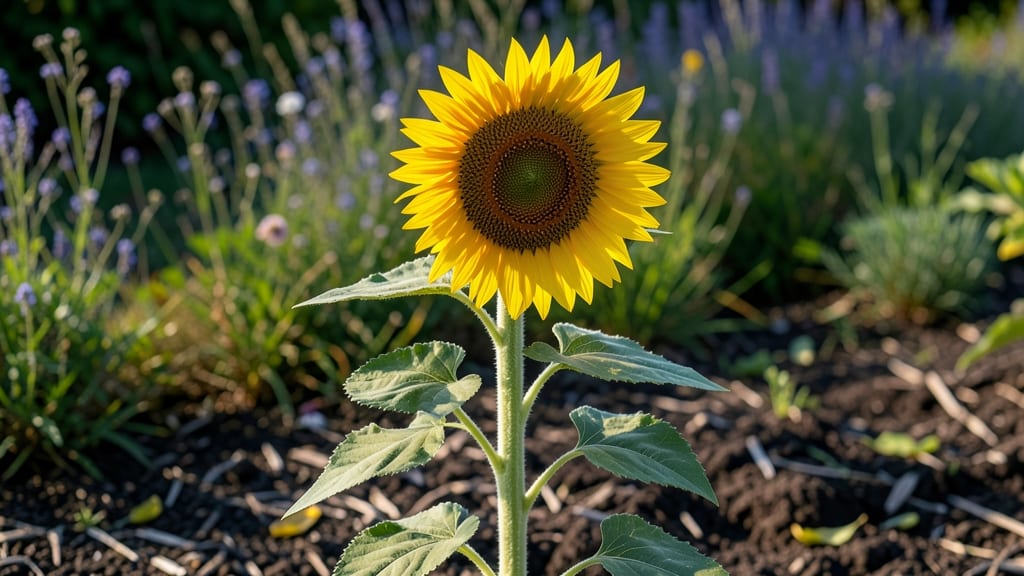
A full-grown sunflower 🌻 can reach heights that dwarf even the tallest gardeners, with some varieties stretching up to 16 feet—that’s taller than a basketball hoop!
But here’s the catch: not all sunflowers grow that big, and picking the right variety for your space is the secret to success. Whether you’re dreaming of a dramatic backyard backdrop or a compact container plant, the best sunflower for your garden depends on your goals—and your patience.
From dwarf varieties that top out at 2 feet to towering giants that need staking, sunflowers offer something for every gardener. They’re not just stunning cut flowers or pollinator magnets—they’re also surprisingly easy to grow once you know the tricks, like soil prep and watering schedules.
In this guide, I’ll break down everything you need to know: height ranges by variety, how to maximize growth, and which types thrive in your zone. Let’s get those sunflowers soaring!
How tall do full grown sunflowers get? Height ranges by variety
Sunflowers are nature’s skyscrapers, and their mature heights can range from 2 feet to a staggering 16 feet—depending on the variety. If you’re dreaming of a dramatic backyard focal point, giant sunflowers will steal the show.
But if your space is small, dwarf varieties thrive in containers or window boxes without overwhelming your patio. The key is matching the variety to your garden’s layout, sunlight, and even wind exposure.
Tall sunflowers need strong stems and support to avoid flopping in storms, while shorter types are perfect for cut flowers or pollinator gardens.
Below, I’ve broken down the height ranges by category so you can pick the perfect sunflower for your space—whether you want a privacy screen, a child-friendly garden, or simply a burst of cheerful color.
Pro Tip: Measure your garden’s height restrictions before choosing. A 12-foot sunflower near a fence or roof could cause problems, while a 3-foot dwarf might get lost in a mixed border. Always plant with future growth in mind!
If you’re growing sunflowers for cut flowers or seed harvesting, standard or giant varieties often produce the largest blooms and most seeds. But for urban gardens or balconies, dwarf varieties like ‘Teddy Bear’ or ‘Moulin Rouge’ stay manageable while still attracting bees and butterflies.
Just remember: the taller the sunflower, the more support and nutrients it’ll need to reach its full potential.
For windy climates, opt for shorter varieties or use bamboo stakes and soft ties to prevent snapping. And if you’re planting near a fence or roof, leave at least 3 feet of clearance for giants to avoid damage. A little planning now saves headaches later!
Sunflowers also vary in growth speed. Dwarf varieties may mature in 60–70 days, while giants can take 100–120 days to reach their peak. Time your planting so you’re not left with floppy stems before the first frost.
Most gardeners in USDA Zones 5–9 plant seeds in late spring for summer blooms.
One of my favorite tricks? Planting a mix of heights in a single bed creates a stunning, layered effect. Start with dwarf varieties in the front, semi-dwarfs in the middle, and giants in the back.
This not only maximizes space but also ensures every visitor gets a sunflower at eye level—no craning or crouching required!
For edible sunflowers, varieties like ‘Russian Giant’ or ‘Autumn Beauty’ grow tall but produce hearty seeds and petals for roasting or salads. Just be sure to harvest seeds before birds do—they’re irresistible! Cover the flower heads with netting if needed.
Whether you’re aiming for a record-breaking giant or a compact container star, choosing the right sunflower height sets the stage for a season of joy—and maybe even a few surprised neighbors peeking over your fence! 🌻
Best sunflower varieties for different garden goals: height, color, and use
Sunflowers aren’t just about height—they’re powerhouses for pollinators, cut flowers, and even edible seeds. Whether you’re dreaming of 12-foot giants or container-friendly dwarfs, the right variety transforms your garden’s purpose.
I’ve curated top picks based on your goals, from record-breaking stems to prolonged blooms and nutritious snacks for birds (and you!).
For maximum height, ‘Mammoth’ and ‘Russian Giant’ sunflowers dominate, while ‘Teddy Bear’ and ‘Little Becka’ thrive in tight spaces. Color matters too—deep reds like ‘Autumn Beauty’ contrast with creamy ‘Lemon Queen’ for visual drama. Let’s dive into the best matches for your garden’s vision.
If you’re chasing height records, ‘Mammoth’ sunflowers are the undisputed champs, often surpassing 14 feet with proper care. Their thick stems need staking by mid-season to handle wind—think bamboo stakes tied loosely to avoid girdling.
For small spaces, ‘Teddy Bear’ sunflowers pack pollen power in a 2-foot frame, perfect for balcony gardens or window boxes.
Color lovers will adore ‘Autumn Beauty’, a multi-bloom variety that shifts from yellow to red over its lifespan. Deadheading spent blooms encourages reblooming for weeks of color.
Meanwhile, ‘Lemon Queen’ attracts bees and butterflies with its pale petals, making it a pollinator magnet that still adds elegance to bouquets.
Don’t overlook edible varieties like ‘Russian Giant’—their large seeds are perfect for bird feeders or roasting. Plant them near perennial herbs to deter pests naturally. Pro tip: Save seeds from open-pollinated varieties for next year’s garden!
No matter your goal, sunflowers deliver instant gratification—from cheerful blooms to harvestable seeds. Start with one variety that matches your space, then expand your collection as you fall in love with their versatility and impact. 🌻