
Size
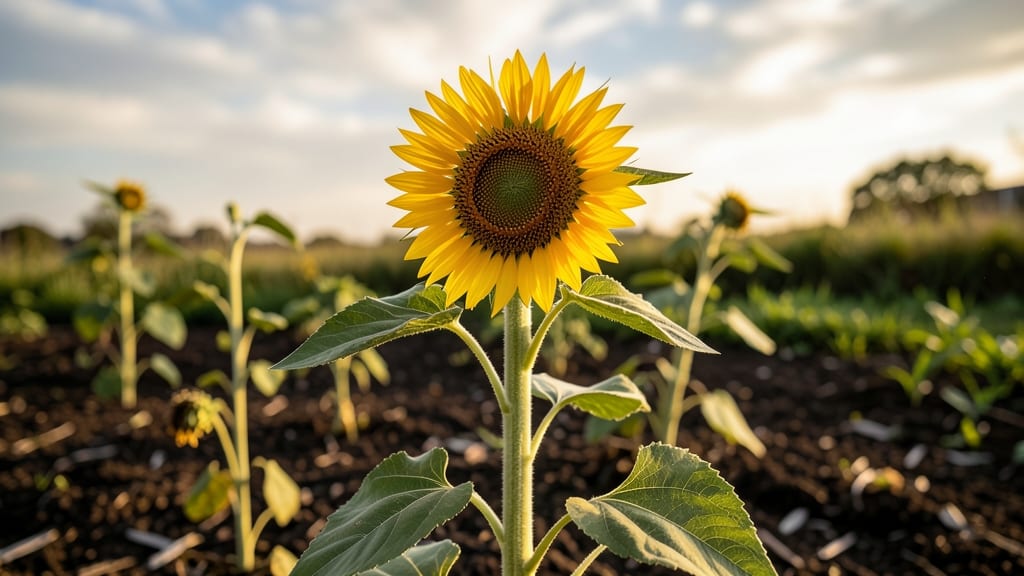
Sunflowers can grow to towering heights of 12 to 16 feet, turning your garden into a golden skyline 🌻—but not all varieties reach the sky.
Whether you’re dreaming of a giant sunflower that rivals your house or a compact one for small spaces, the height depends on the type you choose and how you care for it.
Imagine towering sunflowers reaching higher than a two-story building—these giants aren’t just showstoppers, but living landmarks in your garden. If you’ve ever wondered how tall sunflowers can grow or which varieties dominate the sky, you’re in the right place.
Some sunflowers stay as short as 1 to 3 feet, perfect for containers or borders, while others stretch toward the clouds, needing sturdy staking to avoid toppling in wind. The difference comes down to genetics, sunlight, and soil—factors you can control to coax even taller blooms from your garden.
In this guide, I’ll break down the tallest varieties, the 5 key factors that determine height, and how to maximize growth—so you can grow sunflowers that turn heads (and maybe even block your neighbor’s view).

How tall do sunflowers grow? The tallest varieties exceeding 12 feet
Sunflowers are nature's skyscrapers, with some varieties reaching heights that rival small trees. The tallest sunflowers can exceed 12 feet, creating dramatic focal points in any garden.
Whether you're dreaming of a sunflower towering over your fence or simply curious about these giants, understanding their height potential is key to planning your garden layout and providing the right care.
Most sunflowers fall into three height categories: dwarf (1-3 ft), semi-dwarf (4-6 ft), and standard (8-16 ft). However, the true giants—like the 'Mammoth' variety—can push the limits, reaching heights of 14 to 16 feet under ideal conditions.
These towering plants aren't just impressive; they also require thoughtful planning to thrive.
The tallest sunflower varieties like the 'Russian Giant' and 'Mammoth' aren't just about height—they're also about creating a stunning visual impact. These varieties can reach heights of 12 to 16 feet, making them perfect for large gardens or as dramatic centerpieces.
Their massive flower heads, often 10-12 inches wide, add to their grandeur.
Genetics play a huge role in determining sunflower height. Some varieties are bred specifically for their towering stature, while others stay compact.
For example, the 'Teddy Bear' variety stays under 3 feet, making it ideal for small spaces, while the 'Russian Giant' can soar to 16 feet with the right care. Choosing the right variety for your space is essential to avoid overcrowding or underwhelming results.
Sunlight is another critical factor in sunflower growth. These plants thrive in full sun (6+ hours daily), but they also need well-draining soil rich in nutrients. If you're growing tall varieties, consider adding compost or organic matter to the soil before planting.
This helps support their heavy stems and large flower heads, reducing the risk of toppling over in windy conditions.
Watering tall sunflowers requires a bit more attention than their shorter counterparts. Deep watering 2-3 times per week is ideal, especially during dry spells. The key is to keep the soil consistently moist but not waterlogged.
Overwatering can lead to weak stems, which may struggle to support the plant's impressive height. Aim for 1-2 gallons of water per plant during the growing season to encourage strong, sturdy growth.
If you're growing sunflowers in a smaller garden or container, consider dwarf or semi-dwarf varieties like 'Autumn Beauty' or 'Moulin Rouge'. These stay between 4-8 feet tall, making them more manageable while still offering beautiful blooms.
For those with ample space, the tallest varieties like 'American Giant' can create a breathtaking vertical display that attracts pollinators and adds height to your landscape.
One common challenge with tall sunflowers is providing enough support. If you notice your plants leaning or struggling to stay upright, consider using stakes or cages to give them extra stability.
This is especially important in windy areas or if you're growing them near fences or walls, where they might rub against surfaces and damage their stems.
Harvesting seeds from tall sunflowers can also be a challenge. Once the flower heads turn brown and the seeds are mature, you'll need a sturdy ladder or tall stool to reach them safely. Always wear gloves when handling sunflower seeds, as they can stain clothing
5 Key factors that determine sunflower height (and how to maximize it)
Sunflowers are nature's skyscrapers, and their height potential depends on more than just genetics. While some varieties are bred to reach 12+ feet, others stay compact. The difference often comes down to how we care for them.
I've grown sunflowers from 3-foot dwarfs to 14-foot giants, and I can tell you—small adjustments in care can make a big difference in height. Let's explore the five critical factors that determine how tall your sunflowers will grow, plus my best tips for maximizing their height.
First, let's clarify that genetics set the baseline, but environmental factors can push your sunflowers beyond their expected height. For example, the 'Mammoth' variety typically grows to 12-16 feet, but with ideal conditions, I've seen them exceed 16 feet.
The key is understanding how to create those ideal conditions. Whether you're working with a small urban garden or a spacious rural plot, these factors will help you coax every extra inch from your sunflowers.
Let's talk about soil quality first, because this is where many gardeners miss out on maximizing height. Sunflowers are heavy feeders, and they need nutrients like nitrogen, phosphorus, and potassium to grow tall.
I always start by testing my soil—if it's lacking, I add a balanced fertilizer (10-10-10) at planting time and again when the plants are 6 inches tall. Organic options like composted manure or bone meal work wonders too.
Remember, well-draining soil is a must—sunflowers hate soggy roots, which can stunt growth or even kill the plant.
Watering is another critical factor that often gets overlooked. Sunflowers need deep, consistent watering to develop strong stems. I water mine at the base of the plant in the morning, giving them 1-2 gallons of water every 2-3 days during hot weather.
Avoid wetting the leaves to prevent fungal diseases like powdery mildew, which can weaken the plant and reduce height. If you notice the leaves wilting or turning yellow, it's a sign you're either overwatering or underwatering.
One of my biggest tips for maximizing height is proper spacing. Sunflowers need room to stretch their legs, so to speak. Tall varieties like 'Mammoth' or 'Russian Giant' should be planted 18-24 inches apart in rows that are 3 feet apart.
This gives them enough space to photosynthesize efficiently and develop strong stems. If you're growing sunflowers in containers, choose large pots (at least 12 inches in diameter) and use a lightweight potting mix to prevent tipping.
Finally, don't underestimate the power of seasonal timing. Planting your sunflowers at the right time can make a huge difference in their