
Plants
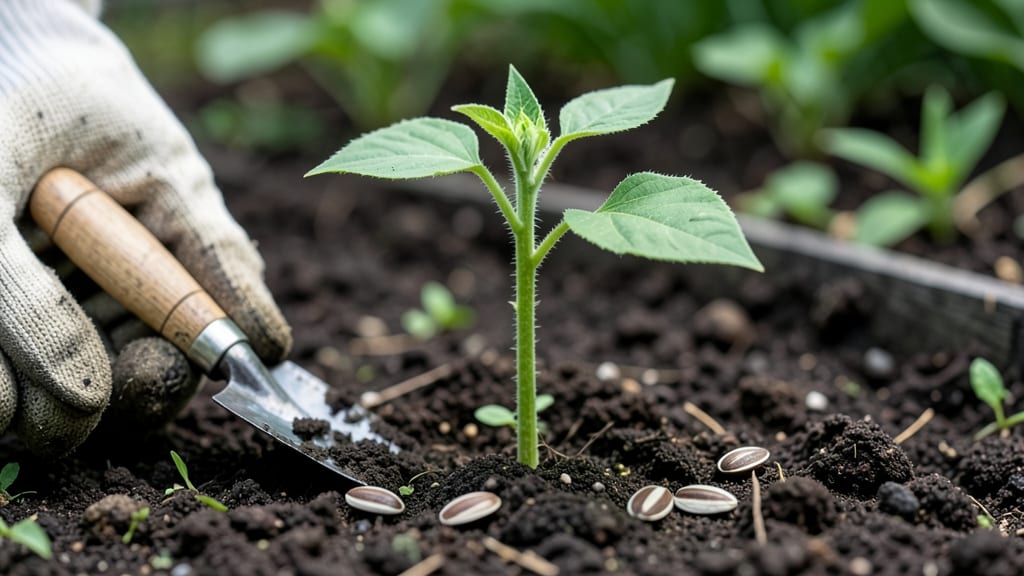
Planting sunflower seeds in Southern California at the right time means the difference between towering blooms and wilted disappointment—February through April and again in September to October are your best bets.
Picture this: you’ve spent weeks watching those 🌻 sprouts push through the soil, only for the summer heat to zap them before they even bloom. Or worse, planting too late and missing the show entirely.
The good news? Southern California’s frost-free climate gives you two prime windows to get it right.
Whether you’re in coastal San Diego or the desert near Palm Springs, the key is matching your planting to the heat peaks and rainy seasons. Too early, and you’ll battle drought; too late, and the sunflowers won’t have time to mature before the next heatwave hits.
Below, I’ll break down the exact months for your zone, soil prep tricks to lock in moisture, and how to stretch your blooming season—so you’re not left with brown stalks by July.
Southern California sunflower planting zones & ideal months for maximum blooms
Southern California’s USDA zones 9b-11 create a near-perfect climate for sunflowers, but the timing of planting can make or break your blooms. Unlike northern regions, we don’t have to worry about frost, but summer heat (often exceeding 100°F) can stress young plants if they’re planted too early.
The key is to give sunflowers a strong start before the peak heat of July and August.
Most of Southern California enjoys 365 frost-free days year-round, which means you can plant sunflowers almost anytime. However, the two ideal windows—early spring and late summer—align with the coolest temperatures and ensure your sunflowers reach their full towering potential before the heat peaks.
Here’s the breakdown: Spring planting (February–April) gives sunflowers time to mature before summer’s intensity, while fall planting (September–October) allows them to bloom in cooler months. Miss these windows, and you risk bolt-free flowers or plants that wilt before they even open.
| Planting Window | USDA Zones 9b-11 | Ideal Months | Deadline to Plant | Bloom Time |
|---|---|---|---|---|
| Spring Planting | All zones | February–April | Early April (coastal), Mid-April (inland) | May–July |
| Fall Planting | All zones | September–October | Early October (coastal), Mid-October (inland) | November–December |
| Late Summer Planting | Zones 9b-10a | August (high elevations) | Early August | September–October |
🌻 Note: Coastal areas (e.g., San Diego) have cooler microclimates and can plant slightly later than inland desert regions (e.g., Palm Springs).
For spring plantings, aim to sow seeds by mid-April at the latest in inland areas like Riverside or Palm Springs. Coastal zones like Santa Barbara can extend this to early May due to cooler temperatures.
The goal is to ensure sunflowers reach 12–18 inches tall before June’s heat sets in.
If you’re planting in fall, the window is tight but rewarding. Start seeds by early October for coastal regions and mid-October inland. This timing lets sunflowers establish roots before winter rains arrive, ensuring they bolt quickly in spring for a second flush of blooms.
One common mistake is planting sunflowers in late spring (May–June). While it’s not impossible, the intense summer heat can cause seedlings to wilt or bolt prematurely. Instead, opt for succession planting—sow a few seeds every 2–3 weeks from February through April to stagger blooms all summer.
Pro tip: Pre-soak seeds for 24 hours before planting to speed up germination. Sunflowers thrive in well-draining soil, so amend heavy clay with compost or sand. Space dwarf varieties (like ‘Teddy Bear’) 6–12 inches apart, while giant types (like ‘Russian Giant’) need 18–24 inches of room.
Remember, sunflowers are drought-tolerant once established, but young plants need consistent moisture. Water deeply once a week in spring and fall, reducing to every 10–14 days in summer. Mulch around the base to retain moisture and protect roots from heat stress.
With the right timing, your sunflowers will reward you with vibrant blooms that attract pollinators and add drama to your garden.
Whether you’re growing them for cut flowers, birdseed, or just pure joy, mastering these planting deadlines ensures your sunflowers will thrive in Southern California’s unique climate. 🌻
How to adjust planting for Southern California’s microclimates (coastal vs. desert)
Southern California’s diverse microclimates create dramatic differences in sunflower growth. Coastal areas like San Diego enjoy mild, foggy summers, while desert regions like Palm Springs face intense, dry heat—both requiring tailored planting strategies.
The same sunflower seeds planted in March along the coast may struggle in the desert’s 100°F+ afternoons, while desert plantings might bolt prematurely in coastal fog. Understanding these differences ensures your sunflowers reach their full 8-16 ft potential.
Coastal gardens benefit from extended growing seasons, but morning fog can delay germination. Inland deserts demand rapid root establishment to survive scorching afternoons. The key lies in soil prep, watering schedules, and strategic shade placement.
For example, coastal sunflowers may need afternoon shade during peak summer, while desert varieties thrive with drip irrigation timed for early morning. Let’s break down the critical adjustments for each microclimate.
Comparison Table: Coastal vs. Desert Sunflower Planting Strategies
| Factor | Coastal (San Diego) | Desert (Palm Springs) |
|---|---|---|
| Best Planting Window | Late Feb - Early April | Mid-Sept - Early Oct |
| Soil Prep | Add compost for moisture retention | Mix in perlite for drainage |
| Watering Schedule | Every 3-4 days (morning) | Daily deep soak (early AM) |
| Shade Needs | Afternoon shade cloth (June-Aug) | None (full sun tolerance) |
| Heat Stress Risk | Low (cooler temps) | High (100°F+ afternoons) |
| Recommended Varieties | 'Teddy Bear' (dwarf) | 'Russian Giant' (heat-tolerant) |
In coastal areas, focus on soil moisture retention—amend your garden beds with 3-4 inches of compost before planting. The marine layer often brings morning fog, so choose a south-facing location to maximize sunlight after the fog burns off.
For desert plantings, prioritize well-draining soil with added perlite or coarse sand to prevent root rot from infrequent but heavy watering. Desert sunflowers also benefit from mulch rings to conserve soil moisture during the day.
Watering strategies differ dramatically between regions. Coastal sunflowers thrive on consistent moisture—water every 3-4 days in the morning to prevent fungal diseases from evening humidity.
Desert varieties, however, need deep, infrequent watering: soak the soil to 12 inches deep every 2-3 days during their first month, then taper to weekly deep watering once established. Always water at sunrise to minimize evaporation losses.
Heat stress is the desert’s biggest threat, but coastal gardeners shouldn’t ignore summer shade. In San Diego, provide 30-50% shade cloth during June-August to protect young plants from afternoon sun.
Desert sunflowers, meanwhile, should avoid afternoon shade entirely—they thrive in full, unfiltered sunlight and need it to develop strong stems. Choose heat-tolerant varieties like 'Russian Giant' or 'Moulin Rouge' for desert gardens, as they handle 110°F+ temperatures better than standard types.
Timing your plantings also varies by microclimate. Coastal sunflowers planted in late February will bolt by June, while desert plantings in mid-September avoid the worst summer heat. For both regions, aim to have sunflowers reach 3-4 ft tall before peak summer temperatures arrive.
This gives roots time to establish before the heat stress sets in—whether it’s coastal fog or desert sun.