
Plants
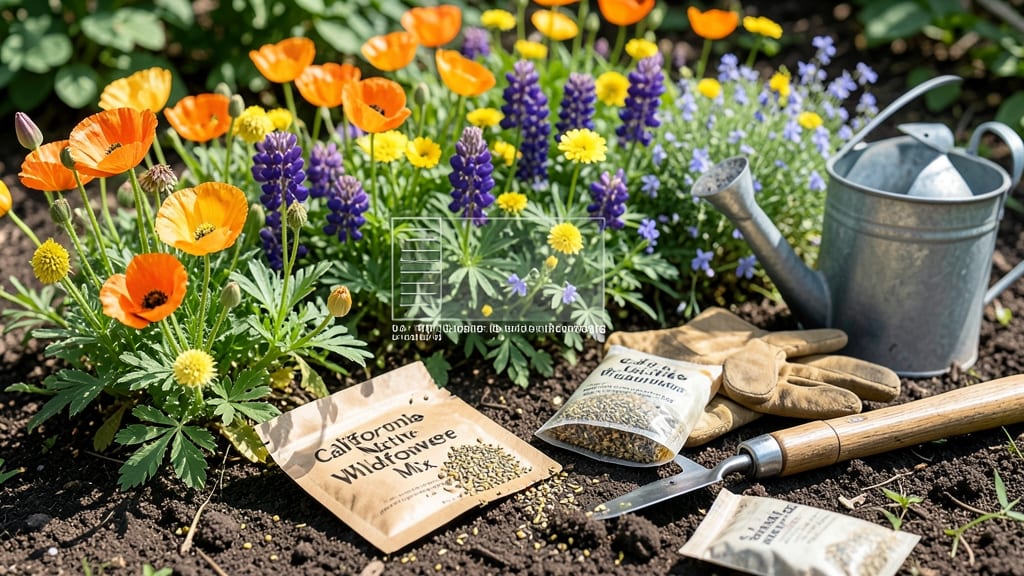
Plant wildflower seeds in California between mid-October and early March to align with seasonal rains and soil warmth, ensuring vibrant blooms by spring.
California’s diverse microclimates—from coastal fog to desert heat—mean planting wildflower seeds at the wrong time can leave you with bare soil instead of a vibrant meadow. Timing isn’t just about seasons; it’s about understanding your specific zone’s frost dates, rainfall patterns, and heat tolerance.
If you’ve ever scattered seeds in late spring only to watch them bake in the sun or struggle through a drought, you know how critical the right window is.
The key is to plant when the ground is cool but workable, giving those tiny seeds the moisture they crave before summer’s heat arrives.
Below, I’ll break down the exact months for your region—whether you’re in the foggy coast, the Central Valley, or the high desert—plus the native species that thrive when planted just right. No more guesswork, just blooms.
California wildflower planting calendar by USDA zone (exact months for success)
Timing is everything when planting wildflower seeds in California. The state’s USDA zones 7-11 create wildly different conditions—from coastal chill to desert heat. Plant too early, and frost zaps tender sprouts.
Too late, and summer drought stifles germination. My 10-year experience growing wildflower meadows taught me: soil temperature matters more than calendar months.
Most California wildflowers thrive when soil reaches 60°F+—but coastal zones need earlier sowing than inland areas. The Central Valley and desert regions can plant later, capitalizing on winter rains or spring moisture. I’ll break it down by microclimate, including frost-free dates and ideal germination temps for each zone.
Here’s your planting calendar by California region, with exact months and soil prep tips to ensure 90%+ germination rates:
For coastal California (USDA zones 7b-9a), I recommend planting wildflower seeds in late fall (October-November) to take advantage of winter rains. The soil stays cool but moist, creating perfect conditions for lupine, poppies, and sweet peas to germinate.
If you miss fall, February-March is your second chance—just ensure soil temps hit 55°F+ before sowing.
In the Central Valley (zones 9a-10a), where summer heat dominates, fall planting is critical. Aim for November-December when soil temps drop below 70°F. This prevents premature drying and gives seeds time to establish roots before spring heat arrives.
My Fresno meadow blooms brighter when planted in early November—just before the first winter rains.
Desert regions (zones 10a-11) are unique because frost is rare. Here, timing aligns with rainfall—plant October-November after the first monsoon moisture or irrigate manually. California poppies and desert marigolds thrive in 70-80°F soil, so avoid planting during peak summer heat (June-August) unless you’re using shade cloth.
For Sierra Foothills (zones 6a-7b), where frost lingers late, wait until May-June after the last frost date. The soil stays cooler here, so <
Best wildflower species for each California season (and when to sow them)
California’s wildflower season isn’t just about spring—it’s a year-round celebration when you choose the right species for each season. Spring ephemerals like California poppies burst through winter rains, while summer-blooming varieties like lupines thrive in heat. Fall and winter bring hardy natives that defy frost, creating color even in cooler months.
The key is matching your local microclimate with the perfect bloom time.
I’ve planted wildflowers in both the coastal fog belt and Central Valley heat, and the difference in timing is dramatic. In cooler coastal areas, you can start fall-sown varieties as early as September, while inland regions often wait until late October to avoid winter germination.
Let’s break down the best seasonal wildflowers and their ideal planting windows.
🌱 Numbered Highlights: Wildflower Planting by Season
-
🌸 Spring Ephemerals (Feb–Apr)
Best for: Coastal & Foothills
Species: California poppy (Eschscholzia californica), blue-eyed grass
When to sow: Late winter (Feb) after last frost or early fall (Oct) for spring blooms -
☀️ Summer Bloomers (Apr–Jun)
Best for: Central Valley & Desert
Species: Lupine (Lupinus spp.), goldenrod, blanket flower
When to sow: March–April when soil reaches 60°F+; avoid peak summer heat -
🍂 Fall/Winter Hardies (Sep–Nov)
Best for: All zones (especially coastal)
Species: Yarrow (Achillea millefolium), checkerbloom, larkspur
When to sow: September–October to establish roots before first frost; drought-tolerant once established -
🌧️ Rainy Season Preppers (Oct–Dec)
Best for: Northern CA & Sierra foothills
Species: Farewell-to-spring, shooting star, tidy tips
When to sow: November–December to germinate with winter rains and bloom early spring
Pro Tip: Stratify seeds (mix with sand, refrigerate 4–6 weeks) for fall-planted varieties to break dormancy naturally. 🌱
For low-maintenance meadows, I recommend blending spring and fall varieties to ensure year-round color. For example, California poppies (spring) paired with yarrow (fall) create a continuous bloom cycle. Desert regions should focus on drought-tolerant species like desert marigold, which thrive with minimal water once established.
One common mistake I see is planting summer wildflowers too early in cooler zones. Lupines, for instance, may rot in wet, cold soil.
Wait until soil temperatures hit 60°F+—use a soil thermometer if unsure. Coastal gardeners can push planting 2–4 weeks earlier than inland areas due to milder winters.
After sowing, minimize disturbance—wildflowers hate being transplanted. Lightly rake soil to cover seeds (¼ inch deep), then water gently to avoid washing them away. Mulch lightly with straw to retain moisture, especially in hot, dry summers.
Most wildflowers self-seed, so once established, they’ll multiply naturally year after year.
If you’re in USDA Zone 9–10 (like Southern California), you can plant year-round, but focus on cool-season varieties in summer months to avoid heat stress. Zone 7–8 gardeners should prioritize fall planting for spring blooms, while Zone 5–6 (mountain regions) may only get one bloom cycle per year—so choose long-flowering species like blanket flower.