
Plants
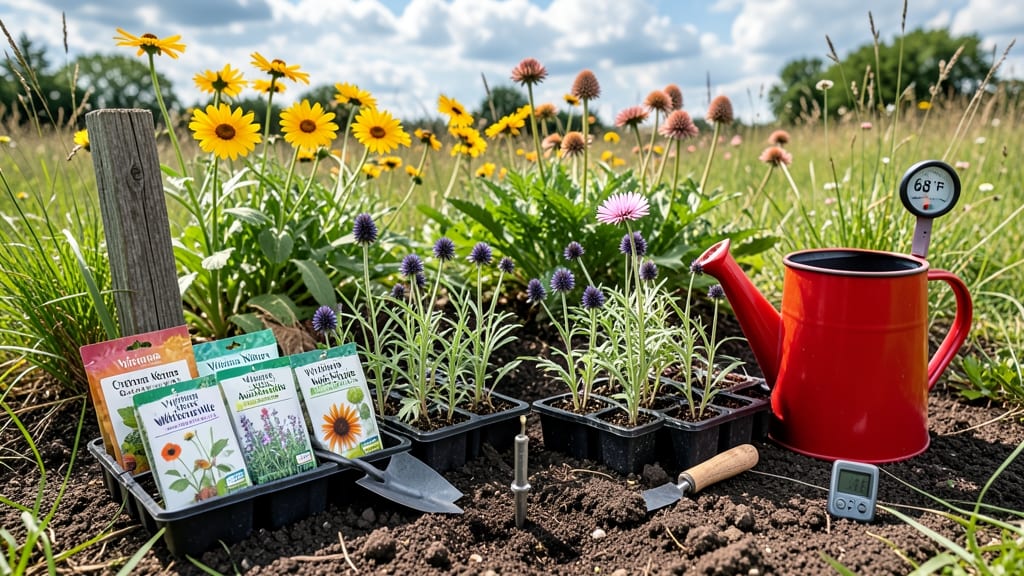
To plant wildflower seeds in Virginia at the perfect time, aim for late summer to early fall or early spring, when soil temperatures and moisture align with seed germination needs.
Virginia’s diverse climate—from coastal plains to mountain regions—means wildflower success depends on timing. Plant too early, and frost will kill tender seeds; too late, and blooms may miss peak growing seasons.
In zones 6a-8a, late summer through October is ideal for fall-blooming varieties like black-eyed Susans, while early spring (March-April) suits cool-season favorites like bluebells and poppies.
Below, I’ll break down the exact planting windows by zone, soil prep tips for Virginia’s clay-heavy soils, and how to extend blooms year-round with minimal effort.
Virginia wildflower planting calendar by USDA zone (5b-8a)
Virginia’s wildflower planting success hinges on USDA zones 5b-8a, where coastal areas like Norfolk (zone 8a) enjoy milder winters, while the mountains near Roanoke (zone 6a) face earlier frosts. Fall planting is ideal for perennials like black-eyed Susans, while spring sowing works best for annuals like cosmos.
The key? Adjust timing by 2-4 weeks depending on whether you’re in the coastal plain or Piedmont region.
For annual wildflowers, aim for late summer to early fall (August-October) to establish roots before winter. Perennials, however, thrive when planted in early spring (March-April) to take advantage of Virginia’s 165 frost-free days.
Coastal zones can push planting 2 weeks later than inland areas due to delayed frost dates.
Here’s your zone-by-zone planting guide, including adjustments for Virginia’s coastal vs. Piedmont microclimates:
In zone 5b (mountains), plant annuals like cosmos in late March to avoid frost damage, while perennials like bluebells thrive with early spring sowing. Zone 8a (coastal) gardeners can extend fall planting until early October, giving seeds time to establish before milder winters. Staggered planting—sowing seeds every 2 weeks—creates continuous blooms from spring to fall.
For warm-season wildflowers (e.g., black-eyed Susans), wait until soil temperatures reach 60°F—typically mid-April in inland zones but early March in coastal areas. Use a soil thermometer to check. Cool-season varieties like poppies can handle light frosts, making them ideal for late summer sowing in zones 6a-7b.
Pro tip: Mulch lightly after planting to retain moisture, especially in Virginia’s clay-heavy soils. In drought-prone Piedmont areas, water newly sown seeds daily for 2 weeks to encourage germination. Native species like wild bergamot require minimal care once established, thriving in Virginia’s full sun conditions.
Don’t forget winter sowing for zones 7a-8a! Plant annuals like sweet peas in December for early spring blooms. Coastal gardeners in zone 8a can even try winter wildflower mixes like
Best wildflower seed types for Virginia’s seasons (and when to sow them)
Virginia’s cool-season and warm-season wildflowers thrive when planted at the right time. Cool-season varieties like Virginia bluebells and poppies need early spring or fall sowing, while warm-season favorites such as black-eyed Susans and coneflowers prefer late summer planting. Choosing the right mix ensures year-round blooms and supports local pollinators.
Native wildflowers are ideal for Virginia’s USDA zones 5b-8a because they’re adapted to local soil conditions and climate variations. For example, purple poppy mallow thrives in dry, rocky soils common in the Shenandoah Valley, while swamp milkweed prefers moist areas near coastal plains.
Always opt for region-specific seed mixes to avoid disappointment.
Timing is everything—plant annual wildflowers in early spring or late summer for immediate color, while perennial varieties establish better when sown in fall. Below, compare the best seasonal wildflower seeds and their ideal planting windows for Virginia’s diverse zones.
For pollinator-friendly meadows, mix cool-season and warm-season varieties. Start with fall-sown perennials like coneflowers and bee balm, then add annuals in spring for instant color. In Zone 8a (e.g., Norfolk), you can even plant winter annuals like lobelia in November for early spring blooms.
Always prepare your soil before planting—loosen the top 2 inches of soil and remove weeds. Scatter seeds lightly (they’re tiny!) and press them into the soil with your hand or a rake.
Water gently to keep the soil moist but not soggy until germination, which typically takes 7-21 days depending on the species.
With the right wildflower mix and planting schedule, your Virginia garden can burst with color from early spring to late fall. Start small with a 10x10-foot plot, experiment with different varieties, and watch your pollinator paradise thrive! 🌼