
Plants
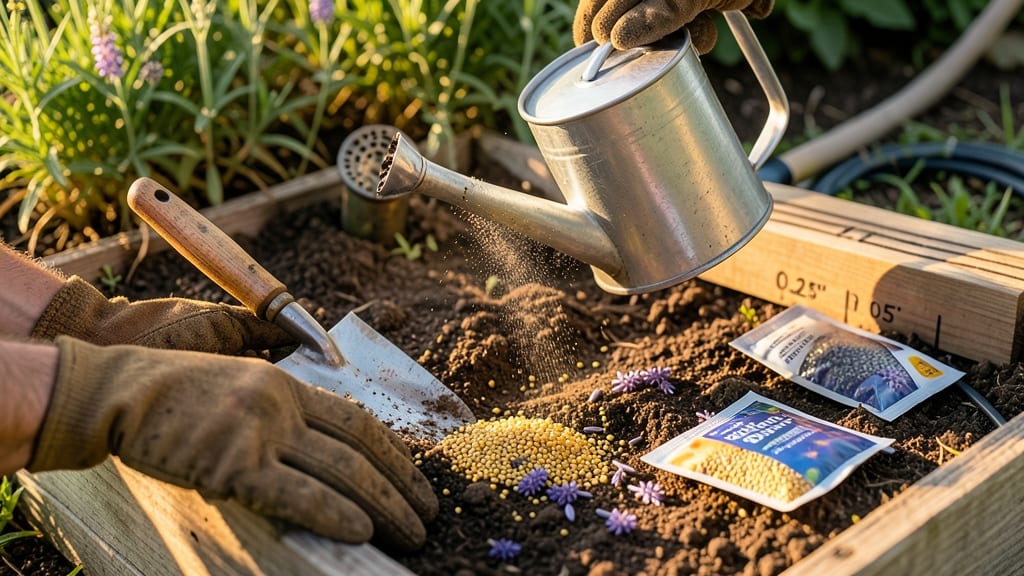
Plant wildflower seeds in Zone 8 during fall or early spring to give them the best shot at thriving 🌼—those are the two windows when soil stays cool and moisture lingers just enough for germination.
Zone 8 gardeners know timing is everything—plant too early, and frost can wipe them out; too late, and you might miss the full bloom season. But with the right strategy, you can unlock a meadow of color that thrives year after year.
Fall planting (September through November) is ideal because cooler temperatures slow seedling growth, helping roots establish before summer heat arrives. Spring planting (February to April) works too, but avoid late spring when temperatures spike.
Below, I’ll break down the exact frost-free deadlines for your region, soil prep tricks to maximize germination, and the best wildflower varieties for each season so you can plan ahead for a vibrant, low-maintenance garden.

Optimal wildflower planting windows in Zone 8 by season
In Zone 8, wildflower seeds thrive when planted during specific windows that align with soil temperatures and frost patterns. The best times are early fall and late winter, but summer planting is possible with the right preparation.
Understanding these windows ensures your wildflowers establish strong roots before extreme heat or cold arrives.
Fall planting is ideal because cooler temperatures and consistent moisture help seeds germinate without stress. Spring planting works too, but timing is critical—wait until after the last frost date (typically mid-March in most of Zone 8).
Summer planting is riskier due to drought, but certain drought-tolerant species can succeed with proper care.
Soil temperature is key: most wildflower seeds need soil between 60°F and 75°F for germination. In Zone 8, this usually means planting in September-October for fall or February-March for spring. Summer planting requires extra irrigation and shade to protect young seedlings from heat stress.
| Season | Best Planting Months | Soil Temp for Germination | Frost Risk | Prep Tips |
|---|---|---|---|---|
| Fall | September-October | 60°F–75°F | Low (after mid-Nov) | Rake soil lightly, water before planting |
| Spring | February-April | 65°F–70°F | Moderate (early spring) | Test soil moisture, mulch after planting |
| Summer | June-July (drought-tolerant species only) | 75°F–85°F | None | Shade cloth, daily watering |
🌱 Pro Tip: Always check local frost dates—some Zone 8 areas (like Texas) have later frosts than California.
For fall planting, aim to sow seeds 6-8 weeks before the first frost (usually by late October). This gives seeds time to germinate and develop roots before winter dormancy.
In Zone 8b (warmer areas), you might extend planting into November, but avoid sowing too late—cold soil can delay germination until spring.
Spring planting requires patience. Wait until soil temperatures stabilize above 60°F and the ground is no longer soggy from winter rains. Early March is a safe bet in most of Zone 8, but monitor weather forecasts—unexpected cold snaps can damage tender seedlings.
If you plant too early, use row covers for protection.
Summer planting is tricky but possible for heat-loving species like black-eyed Susans or coreopsis. Start in late June when daytime highs begin to cool slightly. Use shade cloth to reduce stress on young plants and water deeply in the morning to prevent fungal diseases.
Avoid planting in peak summer heat (July-August) unless you're using pre-germinated seeds.
Regardless of season, prepare your soil by removing weeds and loosening the top 2 inches of soil. Wildflower seeds don’t need deep burial—just press them lightly into the soil or scatter them on bare ground.
A light mulch (like straw) helps retain moisture and suppress weeds without smothering seedlings. In dry climates, water lightly every 2-3 days until germination occurs.
After planting, monitor your wildflowers for consistent moisture without overwatering. Most species prefer moderate watering once established, but young seedlings need regular hydration. In Zone 8a (cooler areas), fall-planted seeds may not germinate until spring—this is normal, so don’t disturb the soil until you see sprouts.
Remember, Zone 8’s microclimates vary—coastal areas are milder, while inland regions can have hotter summers. Adjust your planting window by 1-2 weeks based on your specific location’s frost dates and rainfall patterns.
With the right timing, your wildflower meadow will reward you with vibrant blooms from spring to fall.
How to adjust planting for Zone 8 microclimates and soil types
Zone 8's diverse microclimates and soil types mean your wildflower success depends on smart adjustments. Urban areas often face compacted clay soil and heat islands, while rural spots may have sandy loam that drains too quickly. I'll show you how to prep each type for optimal germination and growth.
Start by testing your soil pH—most wildflowers thrive in 6.0-7.0 range. Clay soils benefit from organic matter like compost or aged manure to improve drainage, while sandy soils need water retention boosters like coconut coir or peat moss.
Urban gardens may also need mulch layers to regulate temperature swings.
🌱 Zone 8 Soil & Microclimate Adjustments
| Soil Type | Prep Method | Watering Tip |
|---|---|---|
| Clay | Add 3" compost + gypsum | Water deeply 2x/week |
| Sandy | Mix in peat moss + perlite | Mulch to retain moisture |
| Loamy | Light compost top-dressing | Water at soil level |
Urban Tip: Use raised beds to improve drainage in heat-prone areas. Rural Tip: Plant near windbreaks to prevent seed loss in open fields.
For urban microclimates, where pavement absorbs heat, plant wildflowers in morning sun spots or use reflective mulches to cool roots. Rural areas with dry winds need wind-resistant varieties like black-eyed Susans or coreopsis. Always water deeply in the morning to prevent fungal issues.
Adjust your planting depth based on soil—sandy soils need shallow coverage (1/4"), while clay holds moisture better for 1/2" depth. Use a seed starter mix if your native soil is poor. I recommend mixing wildflower seeds with sand for even distribution in all soil types.
After planting, monitor soil moisture closely for the first 4-6 weeks. Clay soils stay wet longer, while sandy soils dry out quickly. Group plants by water needs—drought-tolerant varieties like lupines can share space with moisture-lovers like columbines if you create micro-zones.
Don't forget to mark your planting zones with stakes or flags. This helps track which areas need extra care based on their unique soil and climate conditions. With these adjustments, your Zone 8 wildflowers will establish strong roots and bloom beautifully—no matter where you garden! 🌿