
Companion Plants
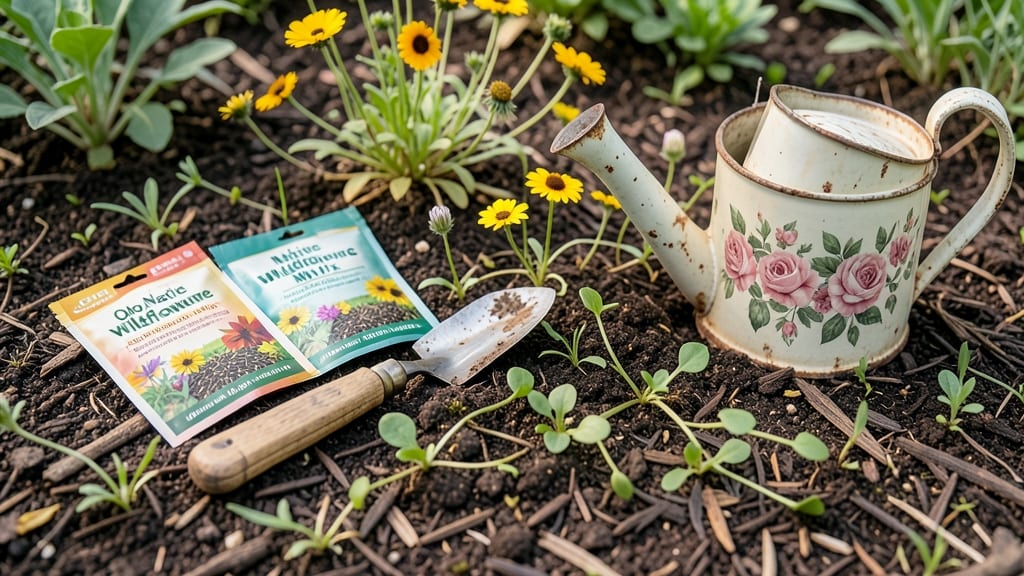
You can plant wildflower seeds in Ohio as soon as the soil warms to 40°F in early spring or late summer, but timing depends on your microclimate and frost risks.
Ohio’s diverse regions—from Cincinnati’s milder winters to Cleveland’s later frosts—mean planting too early can leave your 🌼 seeds vulnerable. In most of the state, aim for mid-March to early April for spring planting, or late September for fall sowing, when soil stays above freezing.
Why does this matter? Wildflowers need consistent moisture to germinate, and Ohio’s unpredictable spring weather can turn a promising seedbed into a muddy mess. The key is preparing the soil in advance—loosening clay-heavy earth and choosing seeds suited to your zone’s frost-free dates.
Below, I’ll break down the exact planting windows by Ohio county, the best wildflower varieties for your climate, and how to protect young sprouts from late frosts. Ready to transform your garden into a pollinator paradise?
Ohio wildflower seed planting dates by USDA hardiness zones (5a-6b)
Ohio’s USDA hardiness zones 5a-6b create distinct planting windows for wildflowers, where timing can mean the difference between thriving blooms and frost-killed seeds. Unlike annuals, many perennial wildflowers benefit from fall planting, while others thrive when sown in early spring.
Let’s break down the exact frost-free dates and planting strategies for your specific Ohio region.
In Zone 5a (northwest Ohio, like Toledo and Findlay), last frost dates average April 20–May 5, while Zone 6b (southern Ohio, like Cincinnati and Chillicothe) typically sees frost-free conditions by April 5–April 15.
These variations matter—planting too early in colder zones risks seed loss, while late planting in warmer zones may delay blooms.
The best planting windows for Ohio wildflowers are early spring (after last frost) and early fall (before first frost).
For annual wildflowers, like Cosmos or Zinnias, spring planting is ideal. Perennial wildflowers, such as Black-Eyed Susan or Coneflower, often perform better when sown in fall, giving roots time to establish before winter.
In Zone 5a, where frosts linger later, focus on fall planting (September 1–15) for perennials like Milkweed or Goldenrod. These hardy species establish roots before winter, then burst into bloom the following summer.
For annuals, wait until after May 15 to ensure seeds don’t get nipped by late frosts.
Cleveland’s Zone 5b offers a slightly earlier window—plant spring annuals like Sunflowers as early as mid-April, but cover seeds with row fabric if nighttime temps dip below 40°F. Fall planting here extends to September 25, giving perennials like Purple Coneflower ample time to root before winter.
Columbus (Zone 6a) gardeners enjoy a 3-week earlier spring window than Zone 5a, making it ideal for early March sowings under cold frames.
For fall, aim to finish by October 5 to avoid early frosts. Winter sowing (January–February) also works here for species like Lupine, using milk jugs as mini greenhouses.
Southern Ohio’s Zone 6b (e.g., Cincinnati) is the warmest, allowing late March plantings for heat-loving annuals like Mexican Sunflower. Fall planting here can stretch to October 15, but prioritize drought-tolerant perennials like Butterfly Weed, which thrive in the region’s clay-heavy soils.
Pro tip: Use a soil thermometer to confirm ground temps are above 45°F before planting. In Zone 5a, this often means waiting until May 1
Best wildflower seed types for Ohio’s spring vs. fall planting
Ohio’s clay-heavy soil and variable frost dates create unique challenges for wildflower enthusiasts. The right seed selection and planting timing can transform your garden into a pollinator paradise. Annuals like Cosmos and Zinnias offer quick color, while perennials like Black-Eyed Susan and Coneflower return year after year with minimal care.
Spring planting (March–April) works best for annual wildflowers, giving them 6–8 weeks of warm weather to establish before Ohio’s first frost. Fall planting (September–October) suits perennial varieties, allowing seeds to stratify naturally over winter.
Ohio’s USDA Zones 5a–6b mean your timing should align with local frost-free dates—typically April 15 in northern Ohio and March 15 in southern regions.
Spring Planting
- ✅ Best for: Annuals (Cosmos, Zinnias, Sunflowers)
- ✅ Pros: Quick blooms, ideal for pollinators
- ✅ Cons: Requires replanting yearly
- ✅ Soil Prep: Loosen clay soil with compost
Fall Planting
- ✅ Best for: Perennials (Coneflower, Milkweed, Black-Eyed Susan)
- ✅ Pros: Returns yearly, drought-tolerant
- ✅ Cons: Slower establishment first year
- ✅ Soil Prep: Add gypsum to break up clay
Black-Eyed Susan (Rudbeckia hirta) thrives in Ohio’s full sun conditions and clay soil, making it a top perennial choice. Plant seeds in early fall (September) for best results—they’ll germinate in spring when temperatures rise. This drought-tolerant beauty blooms from June to October, providing nectar for butterflies and bees throughout the season.
For spring planting success, focus on annual varieties like Cosmos, which self-seeds easily and tolerates Ohio’s humid summers. Scatter seeds after the last frost date, then water lightly daily until germination (typically 7–14 days).
Avoid overwatering—clay soil retains moisture, and wildflowers prefer well-draining conditions to prevent rot.
Ohio’s heavy clay soil can be amended with compost or sand to improve drainage. For perennial wildflowers, mix 1–2 inches of compost into the topsoil before planting. In fall-planted perennials, this prep encourages strong root development before winter.
Mulch lightly with straw or leaves to protect seeds from winter erosion and temperature fluctuations.
Remember: Milkweed (Asclepias) is a must-plant for monarch butterflies, but it requires well-draining soil. If your Ohio garden has compacted clay, consider raising beds or mixing in perlite to create ideal conditions.
With the right seed selection and planting strategy, your Ohio wildflower meadow will bloom reliably for years to come. 🌻