
Size
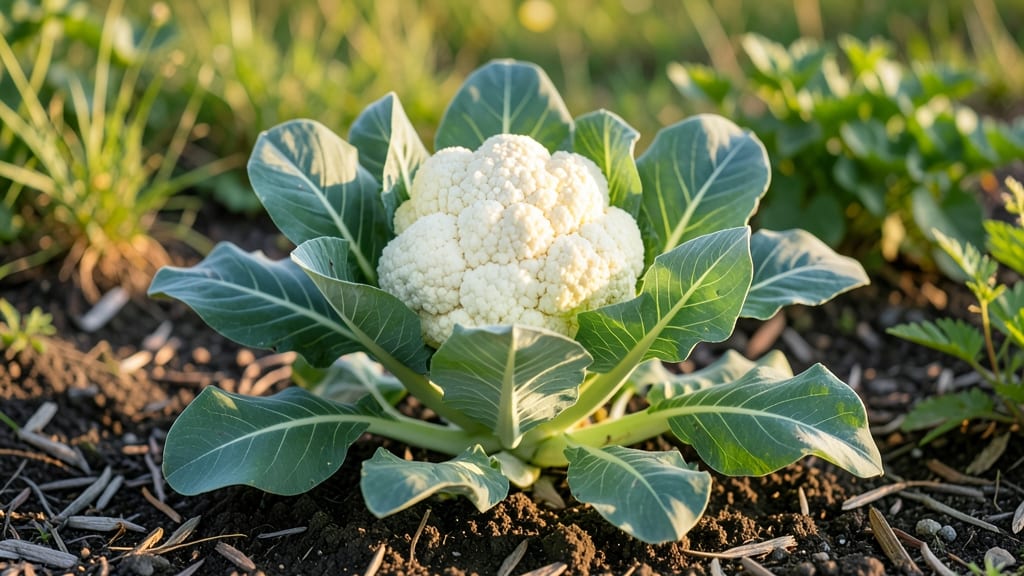
Cauliflower takes between 60 and 120 days to grow from seed to harvest, depending on the variety and growing conditions 🥬 — but knowing the exact timeline helps you plan for a bountiful harvest without the guesswork.
Ever stared at your cauliflower plants wondering, When will I finally get that big, beautiful head? The answer depends on whether you’re growing a quick-maturing Snowball (ready in 75 days) or a slower Purple Cape (closer to 100 days).
Climate, sunlight, and soil quality can shave weeks off—or add them on—so timing is everything.
Most home gardeners in USDA Zone 6a plant cauliflower in April-May for a summer harvest or September-October for a fall crop. With the right care—consistent watering, balanced fertilizer, and full sun—you can push those 120 days down to 80 days or even less for early varieties.
Below, I break down the exact growth stages, how to speed up maturity, and the telltale signs your cauliflower is ready to pick—so you don’t miss your window.


Cauliflower growth timeline: exact days from seed to harvest by variety
If you've ever wondered how long does cauliflower take to grow, the answer depends entirely on the variety you're cultivating. From the first sprouts to a harvest-ready head, cauliflower growth spans 35 to 120 days, with early varieties maturing in as little as 50 days.
Understanding these timelines helps you plan your garden layout and succession plantings for continuous harvests.
The cauliflower growth timeline typically unfolds in three key phases: seedling development (10–20 days), head formation (30–60 days), and maturity (50–100 days). Each variety has its own pace, influenced by factors like temperature, sunlight exposure, and soil fertility.
For example, Snowball varieties often mature faster than Romanesco or Purple Cape, which take longer to develop their distinctive shapes.
Here’s a quick reference for the average days to harvest by variety, along with the growth stages and ideal conditions:
The seedling stage (days 1–14) is critical for establishing strong roots. Cauliflower seeds germinate best in soil temperatures between 60–70°F. If your climate is too hot or cold, consider starting seeds indoors 4–6 weeks before transplanting outdoors.
Once seedlings have 3–4 true leaves, they’re ready to move to the garden or larger containers.
During the head formation stage (days 15–50), cauliflower plants require consistent moisture and balanced nutrients. This is when you’ll notice the curd (head) beginning to form. For varieties like Romanesco, this stage takes longer due to their complex fractal patterns.
To encourage tight heads, tie the outer leaves together loosely to blanch the head and protect it from sun exposure, which can cause discoloration.
Factors like temperature extremes and nutrient deficiencies can significantly delay maturity. For instance, heat stress above 85°F causes cauliflower to bolt (send up a flower stalk) prematurely, while cool nights below 50°F slow growth.
To mitigate these issues, use row covers in early spring or late fall and mulch to maintain even soil temperatures.
By the time your cauliflower reaches maturity (days 50–120), the head should be 6–8 inches in diameter, firm to the touch, and tightly wrapped in leaves.
Early varieties like Snowball Y Improver may be ready in as little as 50 days, while late varieties like Cheddar can take up to 120 days. Always harvest before the head loosens or turns yellow, as this indicates the plant is shifting its energy toward flowering.
Pro tip: Plant successive crops every 2–3 weeks to stagger harvests throughout the growing season. This ensures you’re always enjoying fresh cauliflower while maximizing your garden space. For example, in a 165-day frost-free zone, you could plant in early spring, late spring, and early fall for three harvest windows.
If you’re growing cauliflower in containers, expect slightly slower growth due to limited root space. Choose dwarf varieties like Graffiti and ensure containers are at least 12 inches deep to accommodate the plant’s root system. Container-grown cauliflower may take 5–10 days longer to mature compared to in-ground plants.
Understanding the cauliflower growth timeline isn’t just about patience—it’s about strategy. By aligning your planting schedule with your variety’s needs and optimizing growing conditions, you can harvest homegrown cauliflower in as little as 50 days or enjoy a
How to speed up cauliflower growth: pro tips for faster harvests
If you're eager to enjoy homegrown cauliflower sooner, you're not alone! While most varieties take 75–100 days to maturity, strategic care can shave off weeks. The key lies in optimizing your planting schedule, soil conditions, and growth habits—all while avoiding common pitfalls that slow progress.
Let’s dive into actionable tips to help your plants bulk up faster.
First, focus on the soil foundation. Cauliflower thrives in rich, well-draining soil with a balanced nitrogen-phosphorus ratio. Too much nitrogen leads to leafy growth at the expense of the head, while insufficient phosphorus stalls root and head development.
Aim for a 5-10-10 fertilizer at planting, then top-dress with compost every 4–6 weeks. This ensures steady energy for head formation.
Next, master the art of blanching. When the head reaches 3–4 inches, gently tie the outer leaves together to shield it from sunlight. This prevents bitterness and encourages tighter curds.
Use soft plant ties or even a rubber band—just avoid damaging the stem. Blanching also speeds up the final growth phase by focusing energy inward.
Timing is everything when it comes to temperature management. Cauliflower grows best in 60–70°F soil and air. If your summer heat exceeds 80°F, provide afternoon shade to prevent bolting—the plant’s way of flowering early.
For fall crops, aim to harvest before first frost, as cold snaps stress the plant and reduce quality.
Finally, steer clear of common mistakes that sabotage speed. Overwatering leads to root rot, while inconsistent moisture causes stunted growth. Use mulch to retain soil moisture and regulate temperature. Also, avoid planting in low-lying areas where cold air pools, as this slows early growth.
With these strategies, you can cut 10–20 days off the typical growth timeline—meaning fresher, more flavorful cauliflower on your plate sooner! 🥬