
Blooming
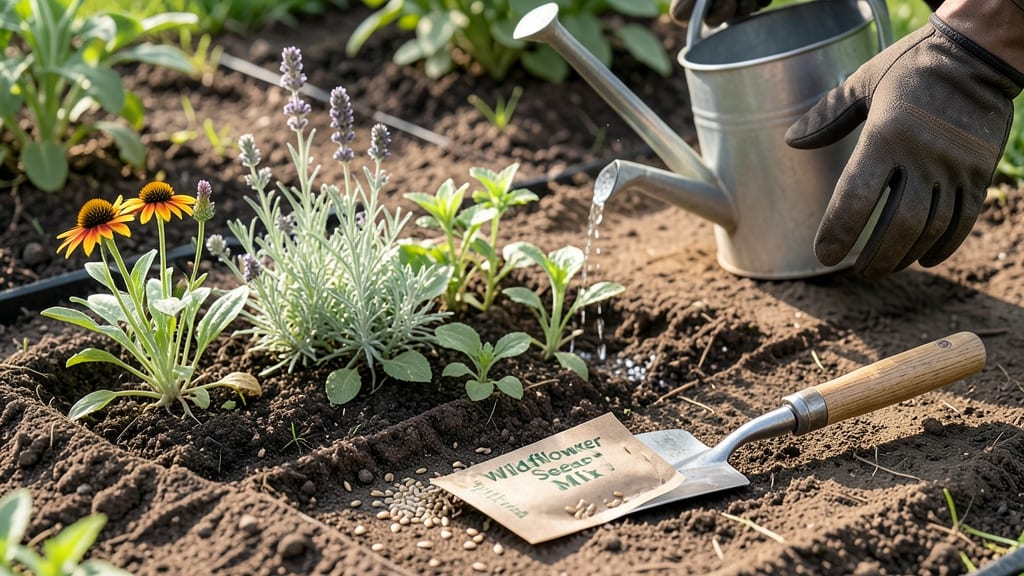
Wildflowers to sprout takes anywhere from 5 to 30 days, but that window can shrink—or stretch—based on soil warmth, seed type, and a few simple tricks you might be missing.
Picture this: you’ve scattered your 🌼 seeds in March, watered them gently, and now you’re staring at bare soil, wondering if they’re ever coming up. The truth?
Some varieties like cosmos pop up in just 5 days, while others, like lupines, might take 30 days or more—unless you tweak the conditions just right.
Soil temperature is the key player here. Most wildflowers need soil to hit at least 50°F to germinate, but warmer soils (above 70°F) can cut that time in half. That’s why a little prep—like using black plastic mulch or planting in a sunny spot—makes all the difference.
In this guide, I’ll break down the exact timelines for common wildflowers, share my top 3 soil warmth hacks to speed up sprouting, and troubleshoot why yours might still be MIA after weeks. Let’s get those seeds growing!
Wildflower germination timeline: how long until sprouts appear?
Wildflowers are nature’s way of adding color and life to your garden, but their germination timelines can be as varied as their blooms. Some varieties pop up in just 5 days, while others take 30 days or more to show their first green shoots.
The key factor? Soil temperature—most wildflower seeds need soil to reach at least 50°F to begin germinating, but warmer conditions (70°F+) can cut that time nearly in half.
Annual wildflowers like cosmos and zinnias often sprout within 7–14 days under ideal conditions, while perennials such as lupines or delphiniums may take 2–4 weeks or longer. Understanding these differences helps you set realistic expectations and troubleshoot delays.
For example, if your seeds haven’t sprouted after 7 days in warm soil, they may need a little extra encouragement—or might not be viable.
Here’s the critical rule I follow: If no sprouts appear after double the expected germination time (e.g., 14 days for cosmos), it’s time to reassess. This could mean the seeds are too old, too deep in the soil, or the soil lacks moisture or warmth.
The good news? Many wildflowers thrive in poor soil once established, so don’t stress over perfect conditions—just focus on getting those first shoots through.
| Wildflower Type | Germination Time (Days) | Ideal Soil Temp (°F) | Notes |
|---|---|---|---|
| Cosmos | 5–10 | 60–75°F | Fastest-sprouting annual; tolerates poor soil. |
| Zinnias | 7–14 | 65–80°F | Loves warmth; direct-sow after last frost. |
| Sunflowers | 7–21 | 60–70°F | Large seeds; plant 1 inch deep. |
| Lupines | 14–30 | 55–65°F | Perennial; may need scarification for faster sprouts. |
| Delphiniums | 21–45 | 50–60°F | Slow starter; best sown early. |
| Black-Eyed Susans | 10–21 | 60–70°F
5 Soil warmth hacks to speed up wildflower sprouting in cooler climatesCooler climates can make wildflower germination feel like a marathon, but soil warmth is the secret weapon to cutting that wait time in half. When soil temperatures dip below 50°F, many wildflower seeds stall—some never sprouting at all. The good news? With a few simple tricks, you can create a microclimate that mimics spring conditions, even in early spring or late fall plantings. I’ve tested these methods in my own Zone 5 garden, where wildflowers like black-eyed Susans and coneflowers often take 2-3 weeks longer to sprout compared to warmer regions. Here’s how I hacked my way to faster blooms—without fancy (or expensive) equipment. 1
Black Plastic Mulch raises soil temps by 10-15°F—just lay it down 2 weeks before planting. Remove when sprouts appear to avoid overheating.
2
Seedling Heat Mats ($15-$25) plug into outlets and warm soil to 70-75°F—ideal for delphiniums and lupines, which need warmth to break dormancy.
3
Clear Plastic Domes (DIY with soda bottles) trap sunlight, creating a greenhouse effect. Cut the bottom off a 2L bottle, invert it over seeds, and secure with rocks.
4
Strategic Planting Dates: Wait until soil temps hit 55°F (use a soil thermometer) or start 6 weeks indoors under grow lights for slow starters like foxglove.
5
Compost Piles nearby radiate heat—plant wildflowers 1-2 feet away from a compost heap for a natural warmth boost. Turn the pile weekly to maintain heat.
Pro tip: Combine black plastic mulch with a clear plastic dome for a double warmth punch. I’ve seen cosmos sprout in just 5 days using this combo in my Zone 4 garden, versus the usual 10-14 days. The key is monitoring moisture—warm soil dries faster, so check daily for dampness. For direct-sowing in cooler climates, aim for late May when soil temps consistently stay above 60°F. If you’re starting seeds indoors, use a heat mat and keep them under grow lights for 14-16 hours/day to mimic spring conditions. Just remember: once those first cotyledons appear, remove any plastic or domes to prevent fungal issues. Don’t let chilly weather slow you down—warmth is the fastest way to unlock wildflower growth. Try one of these hacks this season, and you’ll be rewarded with bold blooms weeks ahead of schedule. 🌱 |