
Flowers
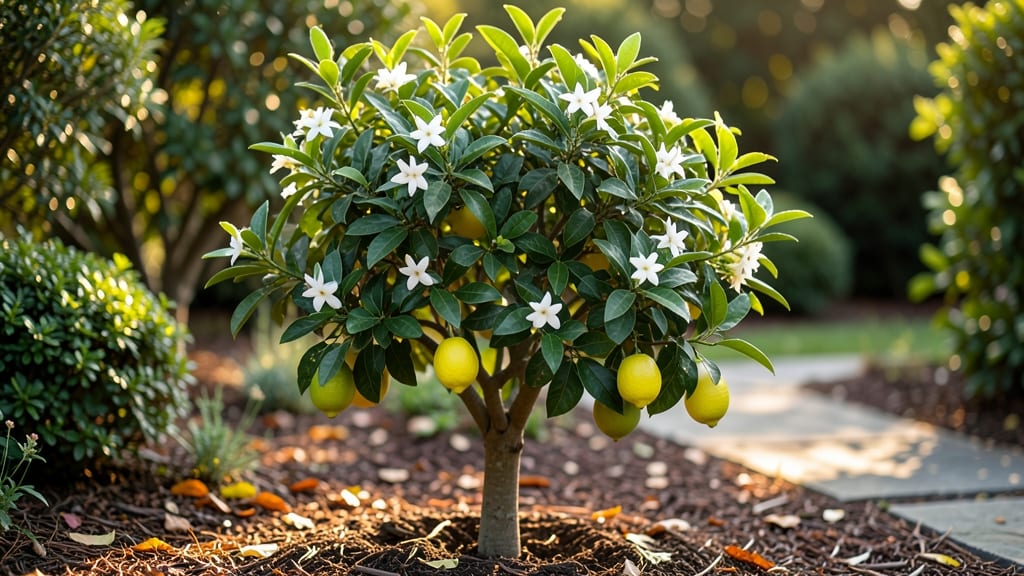
Transforming your lemon tree’s white flowers into sweet fruit 🍋 isn’t just luck—it’s science, timing, and a few clever tricks most gardeners miss.
Did you know your lemon tree’s beautiful white flowers could be the key to a bountiful harvest—or just a missed opportunity? Understanding the hidden science behind lemon tree pollination transforms wasted blooms into juicy fruit.
Most flowers drop without fruiting because of poor pollination, not enough sunlight, or even the wrong fertilizer timing. But with the right approach, you can double—or even triple—your fruit yield this season.
Here’s how to maximize fruit set from bloom to harvest, including manual pollination hacks, the ideal conditions for Zone 9b (and beyond), and the one mistake that kills fruit before it starts.
How lemon tree flowers develop into fruit: the pollination process explained
Every spring, your lemon tree bursts into fragrant white blossoms, but only about 10-20% of those flowers will develop into fruit without proper pollination. This transformation hinges on a delicate 7-14 day window after blooming when flowers are most receptive.
Understanding this process helps you maximize your harvest—whether your tree relies on bees, wind, or your own hand.
Lemon trees are self-pollinating, meaning a single tree can produce fruit without cross-pollination. However, cross-pollination between trees (especially with other citrus varieties) often yields larger, sweeter fruit. The magic happens when pollen travels from the anther (male part) to the stigma (female part) of the flower, triggering fertilization.
Without this step, flowers simply drop, leaving you with empty blooms.
Ideal conditions for pollination include warm temperatures (70-85°F), moderate humidity (40-60%), and gentle breezes. High heat or drought stress can cause flowers to abort before fruiting, while excessive humidity may promote fungal diseases that block pollen transfer.
Even in perfect conditions, only 1-3% of pollinated flowers will survive to become mature lemons—nature’s way of ensuring quality over quantity.
🌸 The Lemon Tree Flower-to-Fruit Process
-
Step 1: Flower Opening
Blooms open fully in morning sunlight, exposing stamens and stigma. Petals last 2-3 days before wilting.
-
Step 2: Pollen Release
Pollen grains mature in anthers by day 2. Bees or wind carry pollen to stigmas of other flowers.
-
Step 3: Fertilization Window
Stigmas remain receptive for 7-14 days. Pollination must occur within 48 hours of stigma opening.
-
Step 4: Ovary Swelling
Successful pollination triggers ovary growth into a tiny green fruit (pea-sized) within 10 days. Petals drop naturally.
-
Step 5: Fruit Set Confirmation
Fruitlets grow to ½ inch in 4-6 weeks. Unpollinated flowers fall without swelling.
-
Step 6: Development Phase
Fruit enters rapid growth (3-6 months) requiring consistent water and nutrients (especially phosphorus).
Did you know temperature swings are a silent killer of lemon fruit set? If nights drop below 55°F or days exceed 95°F during blooming, flowers may abort. This is why coastal climates (like California’s Zone 9b) often produce more reliable crops—their mild, stable temperatures create ideal pollination conditions.
Even in perfect weather, only 1 in 20 pollinated flowers will survive to harvest, making every step of the process critical.
The critical 7-14 day window post-bloom is when flowers are most vulnerable. During this time, the stigma must receive pollen to trigger ovary development. Without it, the flower’s energy is wasted. You can extend this window by hand-pollinating on days 3-5 after blooming, when stigmas are most receptive.
For container-grown trees, place them near bee-friendly plants like lavender or basil to attract pollinators during this period.
Watch for failed pollination signs: flowers that wilt and drop without swelling or develop into tiny, deformed fruitlets. These are red flags that pollen didn’t reach the stigma. In urban areas with few bees, manual pollination becomes essential.
Simply gently brush a cotton swab across flower clusters for 5 minutes daily during peak blooming to mimic bee activity.
Humidity plays a surprising role too. Low humidity (<30%) causes pollen grains to dry out before reaching stigmas, while high humidity (>70%) can promote fungal growth that blocks pollen tubes.
Aim for 40-60% humidity during blooming by mist-spraying leaves in dry climates or using a dehumidifier in overly damp areas. This balance ensures pollen remains viable and stigmas stay receptive.
Once pollination succeeds, you’ll see tiny green "fruitlets" forming within 10-14 days. These are your first sign of a successful harvest. To protect them, reduce watering slightly (avoid overhead sprinklers) and increase potassium-rich fertilizer (like banana peel tea) to support fruit development.
Remember: thinning fruitlets later in the season prevents overburdening the tree, leading to larger, healthier lemons.
🌱 Even with perfect pollination, environmental stressors can still cause fruit drop. Sudden temperature drops, nutrient deficiencies, or pests like aphids can halt development. Monitor your tree closely during the first 3 months of fruit growth—this is when losses are highest.
If you notice yellowing leaves or small fruit falling, adjust care immediately to salvage the remaining crop.
5 Proven ways to boost lemon tree fruit set (even without bees)
If your lemon tree blooms beautifully but rarely produces fruit, you’re not alone. Many gardeners miss the critical pollination window that turns those fragrant white flowers into juicy lemons. The good news? You don’t need bees to achieve a bountiful harvest.
With the right techniques, you can manually trigger fruit set and maximize your tree’s potential—even in urban settings or areas with few pollinators.
Lemon trees are self-pollinating, meaning a single tree can produce fruit on its own. However, environmental factors like low humidity, inconsistent temperatures, or lack of physical agitation can prevent successful pollination.
By combining manual methods, companion plants, and organic sprays, you can dramatically improve your tree’s fruit set. Let’s dive into the five most effective strategies to turn those blooms into lemons.
-
1
Manual Pollination with a Paintbrush
Gently brush lemon tree flowers daily during bloom with a soft paintbrush to transfer pollen. Focus on morning hours when flowers are open and sticky.
-
2
Companion Plants for Pollinators
Plant bee-friendly herbs like basil, thyme, or lavender nearby to attract natural pollinators. Marigolds also repel pests while drawing beneficial insects.
-
3
Organic Boron Spray
Spray flowers with a 1% boron solution (1 tsp boron per gallon of water) to enhance fruit development. Apply at dawn to avoid leaf burn.
-
4
Seasonal Timing Hacks
In Southern climates (Zone 9b+), pollinate in winter (Dec-Feb). In Northern zones (Zone 6-8), focus on spring blooms (March-April) for best results.
-
5
Thin Overloaded Branches
Remove 50% of small fruit when they’re golf-ball sized to redirect energy to larger lemons. Use sterilized pruners for clean cuts.
For manual pollination, timing is everything. Start as soon as flowers open and continue for 7–10 days to cover the entire bloom cycle. Use a soft-bristle paintbrush or even a cotton swab to gently transfer pollen from one flower to another.
Focus on young, healthy blooms—older flowers may already be past their pollination window.
In Southern climates, where lemon trees bloom in winter, pair manual pollination with a humidity tray under the tree. Low humidity can cause flowers to drop before setting fruit. For Northern growers, prioritize spring pollination and protect your tree from late frosts, which can damage delicate blossoms.
Don’t underestimate the power of organic sprays like boron or honey solutions. A light mist of honey water (1 tbsp honey per quart of water) can also attract pollinators and improve flower receptivity. Apply sprays in the early morning to allow flowers to dry before afternoon heat.
Finally, companion planting is a game-changer. By adding pollinator-friendly plants like alyssum or nasturtiums, you create a mini ecosystem that naturally boosts fruit set. Just ensure these plants don’t compete with your lemon tree for water or nutrients.
With these five proven methods, you’ll transform wasted blooms into a juicy lemon harvest—no bees required! 🍋