
Blooming
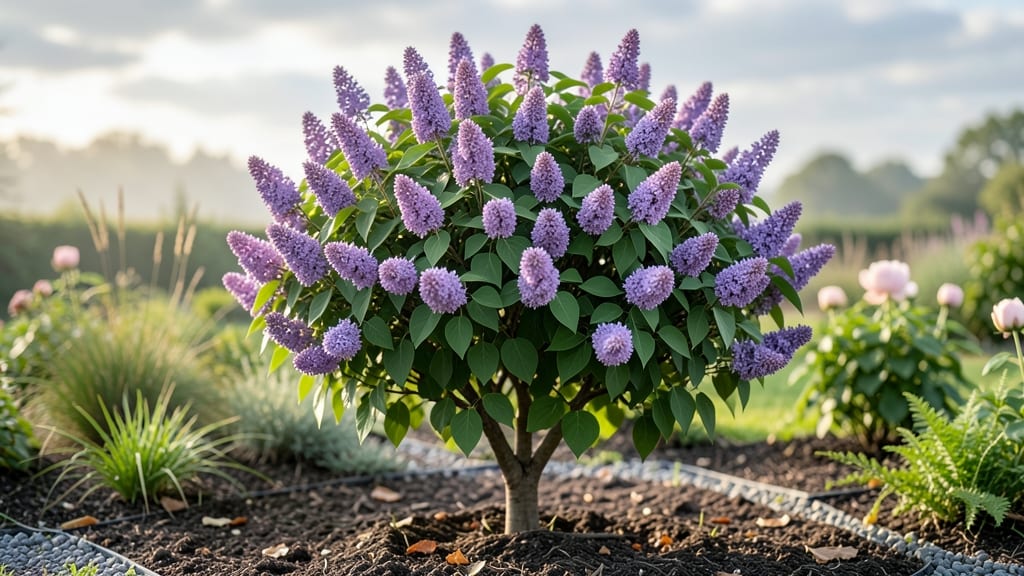
The lilac flower blooming season is your 3-week window to enjoy the garden’s most intoxicating scent—if you know when to look.
Picture this: You return from a long winter to find your yard bursting with 🌸 clusters of purple, pink, or white, their fragrance filling the air. But if you’ve ever missed that fleeting moment—when buds open and fade in a matter of days—you’re not alone.
The exact timing depends on your USDA zone, and getting it wrong means waiting another year for that magical burst of color.
In Zone 6a, where lilacs thrive, blooms typically arrive in late April to early May, but cooler zones like 3–5 can delay them until June. Meanwhile, warmer climates in Zones 7–9 might see flowers as early as March.
The key? Understanding how sunlight, pruning, and even last year’s care can shift those bloom dates by weeks.
Below, I’ll break down the month-by-month schedule for your zone, plus the 3 simple tricks to extend your lilac’s fragrance—so you never miss another season.
Lilac blooming season by USDA Zone: month-by-month guide
The lilac blooming season varies dramatically across the U.S., with USDA Zones 3–9 experiencing peak fragrance between late April and early June. Understanding your zone’s timing helps you anticipate when to expect those iconic purple blooms and plan garden visits or pruning schedules accordingly.
Cooler northern zones like Zone 5 often see lilacs peak in May, while milder southern zones like Zone 8 may enjoy blooms as early as April. Climate factors like last frost dates and winter chill hours further refine these windows.
Lilacs are early spring bloomers, typically emerging after forsythia but before roses. Their fragrance intensity and color vibrancy make them a garden centerpiece, but their blooming window is short—usually just 7–14 days for most varieties.
Early bloomers like 'Elite' may appear in late April in Zone 6, while late varieties like 'President Lincoln' might linger into early June in Zone 7. Regional microclimates can shift these timelines by 1–2 weeks, so local observations matter.
| USDA Zone | Peak Bloom Month | Early Varieties | Late Varieties | Climate Notes |
|---|---|---|---|---|
| Zones 3–4 | Late May | 'Katherine Havemeyer' | 'Miss Canada' | Short season; needs full sun for best blooms |
| Zones 5–6 | Early–Mid May | 'Dwarf French' | Warmer microclimates may bloom 2 weeks earlier | |
| Zones 7–8 | April–Early May | 'Mme. Lemoine' | Humidity can reduce fragrance intensity; prune after blooms | |
| Zones 9 | March–April | 'Mont Blanc' | May require winter chill for reliable blooms |
In USDA Zone 3, where winters are harsh, lilacs often bloom later to avoid late spring frosts. Varieties like 'Katherine Havemeyer' thrive here, with blooms appearing in late May.
Meanwhile, Zone 9 gardens in California or Florida may see lilacs like 'Beauty of Brühl' push blooms as early as March, taking advantage of mild winters.
The key difference? Chill hours—most lilacs need 500–1,000 hours below 45°F to trigger blooming, which explains why southern zones sometimes struggle with inconsistent flowering.
If you’re in Zone 5 or 6, mark your calendar for early May—this is when most lilacs reach peak fragrance. Pro tip: Plant early bloomers like 'Dwarf French' near patios or seating areas to enjoy their scent first. In Zone 7, where blooms can stretch from April to early June, consider mixing varieties to extend your fragrance window. For example, 'Elite' (April) followed by 'President Lincoln' (June) creates a 3-week lilac show
If your lilacs bloom for just a few fleeting weeks each spring, you’re not alone. Many gardeners struggle with their lilac flower blooming season feeling too short. The good news? With the right care, you can encourage earlier blooms or stretch their fragrance-filled display for 2-3 weeks longer. The secret lies in mimicking their natural conditions—think pruning timing, soil health, and watering strategies—without overcomplicating things. Lilacs are finicky about when you prune. Cutting at the wrong time can delay blooms or even prevent them entirely. Unlike many shrubs, lilacs flower on old wood, meaning last year’s growth produces this year’s blooms. So, timing is everything. Pair that with the right soil pH and watering routine, and you’ll be rewarded with a longer, more abundant display of those iconic purple, pink, or white blooms. The best time to prune lilacs is immediately after flowering, typically in late May or June. This ensures next year’s buds form on healthy old wood. Avoid heavy pruning in fall or winter—it removes next year’s flower buds before they set! ✅ Do: Remove 1/3 of old wood to improve airflow ❌ Avoid: Pruning in late summer or fall—this cuts off next year’s blooms Start by testing your soil’s pH level, as lilacs thrive in neutral to slightly alkaline soil (pH 6.5–7.5). If your soil is too acidic, amend it with lime or wood ash in early spring. This adjustment alone can boost bloom quantity by up to 30%. Pair this with a balanced fertilizer (10-10-10) applied in early spring—just as buds begin to swell. Over-fertilizing in late summer, however, can lead to weak, late-season growth that won’t harden off before winter. Watering plays a crucial role too. Lilacs have moderate drought tolerance, but consistent moisture—especially during bud formation (late winter to early spring)—is key. Water deeply once a week rather than shallowly daily, encouraging roots to grow deeper. In hot, dry climates, mulch around the base with 2–3 inches of organic mulch (like shredded bark) to retain moisture and regulate soil temperature. This simple step can extend blooming by 10–14 days. For a longer blooming season, consider planting multi-flowering varieties like ‘Miss Canada’ or ‘Katherine Havemeyer.’ These cultivars produce more flower clusters per stem and often bloom for 3–4 weeks instead of 2. Pair them with early-blooming types (like ‘Sensation Lilac’) and late-blooming types (like ‘President Lincoln’) to create a staggered display from late April through June. Finally, avoid the common mistake of over-pruning. Heavy cuts can stress the plant, leading to fewer blooms the following year. Stick to light shaping and removing dead or crossing branches—never more than 1/3 of the shrub’s total wood. With these adjustments, your lilacs will reward you with a fragrant, extended blooming season that turns heads and fills your garden with scent.How to extend your lilac’s blooming season naturally
🌱 Pro Tip: Prune After Blooming