
Shrubs
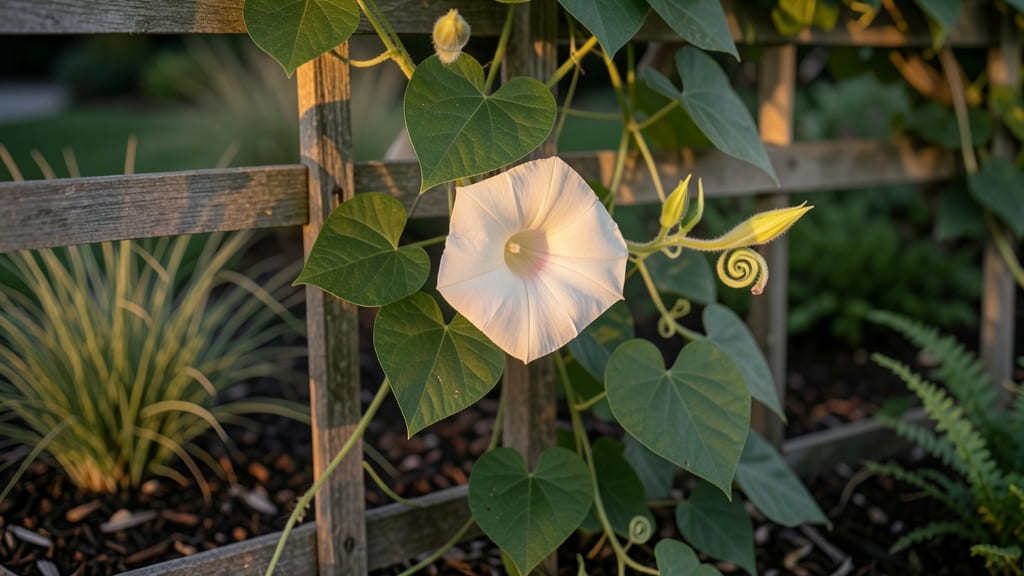
Moonflowers thrive in sun or shade with the right balance, making them a versatile choice for any garden spot.
Imagine a garden that comes alive under the moonlight with stunning, fragrant blooms—these fast-growing vines deliver exactly that, but their placement can make all the difference. Whether you’re planting in full sun or partial shade, understanding their light needs is key to abundant nighttime flowers.
In warmer climates like USDA Zone 6a, moonflowers love morning sun but may need afternoon shade to prevent wilting. Too much direct sun can scorch the leaves, while too little light means fewer blooms.
The trick is finding that sweet spot where they get enough energy to grow tall and strong without stress.
Below, I’ll break down the best light conditions, how to adjust for your location, and pro tips to keep your moonflowers blooming all summer long. Ready to grow these magical vines?
 Best Window Placement
Moonflower sunlight requirements: balancing full sun vs partial shade
Moonflowers (Ipomoea alba) are night-blooming stars that need the right balance of sunlight exposure to thrive. While they love basking in the sun, their delicate vines can struggle in scorching afternoon heat.
Understanding the ideal sunlight conditions ensures your moonflowers grow strong and produce those stunning white, fragrant blooms every evening.
In full sun environments, moonflowers grow faster and produce more blooms, but they also need protection from intense afternoon rays. Meanwhile, in partial shade, they grow more slowly but stay healthier in hot climates.
The key is finding the perfect middle ground tailored to your local climate zone and microclimate.
🌱 Moonflower Sun vs. Shade Comparison
For optimal moonflower growth, aim for 6+ hours of sunlight with afternoon shade, especially in regions with intense afternoon heat. If you're in a cooler climate (USDA Zone 5-6), moonflowers can handle more direct sun, while hotter climates (Zones 7-10) benefit from morning sun and afternoon shade.
Watch for signs of light stress like yellowing leaves, sparse blooms, or vines stretching too thin. These indicate your moonflower isn’t getting the right balance of sunlight. Adjust by moving your plant to a sunnier spot if it’s growing leggy or to partial shade if leaves scorch in afternoon heat.
In containers or small gardens, morning sun paired with afternoon shade works best. Place your moonflower near a south-facing window or under a partial shade cloth to filter harsh rays. This setup mimics their natural habitat in tropical forests, where they thrive under dappled sunlight.
If you're growing moonflowers as a ground cover, they’ll tolerate more shade but may produce fewer blooms. For trellis climbers, prioritize full sun to encourage vigorous growth and abundant evening flowers. Mulch around the base to retain moisture and protect roots from temperature swings.
Regional adjustments matter! In the Southwest US, provide afternoon shade to prevent wilting, while in the Northeast, full sun works well until late summer. Always observe your plant’s response and tweak its position as needed throughout the growing season.
Pro tip: Train your moonflower vine along a trellis or fence to maximize vertical space. This not only saves garden real estate but also exposes more of the plant to optimal sunlight for better blooming.
With the right light balance, your moonflower will reward you with stunning nighttime displays all summer long. 🌙
Best practices for growing moonflowers in shade or sun: soil, water, and care
Moonflowers (Ipomoea alba) are dreamy night-bloomers that reward gardeners with fragrant, white flowers—but their success hinges on soil quality, watering discipline, and seasonal adjustments. While they adapt to both sun and shade, these conditions dramatically influence vine strength, bloom frequency, and overall health.
Let’s break down the essentials to keep your moonflowers thriving year-round, whether they’re climbing a trellis or sprawling as ground cover.
First, soil preparation sets the foundation. Moonflowers crave well-draining, nutrient-rich soil with a pH between 6.0 and 7.0. Amend heavy clay with compost or sand to prevent root rot, while sandy soils benefit from organic matter like aged manure or coconut coir.
In full sun, soil dries faster, so mix in 2-3 inches of mulch to retain moisture and cool roots. In shade, focus on aeration—compacted soil stunts growth.
- 1 Test soil drainage: Fill a hole with water—if it drains in 2 hours, it’s ideal. If not, amend with perlite or compost.
- 2 Water deeply 2-3 times per week in sun, but reduce to once weekly in shade to avoid fungal risks. Always water at soil level, not leaves.
- 3 Fertilize with 5-10-10 balanced fertilizer every 4-6 weeks during spring/summer. Skip fall/winter feedings—moonflowers rest then.
- 4 Prune dead or leggy vines in early spring to encourage bushier growth. In sun, prune more aggressively to prevent overheating.
- 5 Protect vines in winter with mulch or frost cloth in zones colder than USDA Zone 8. Trim back in late winter to 6 inches above ground.
Sunlight directly impacts vine strength and bloom frequency. In full sun, moonflowers grow 30% faster but may produce fewer blooms due to stress. To balance this, provide afternoon shade in hot climates (e.g., using lattice or sheer curtains).
In partial shade, vines grow slower but bloom more consistently, though stems may weaken—support them with trellises or stakes.
Seasonal care is key to extending your moonflower’s flowering season. In late summer, reduce watering slightly to signal dormancy, then resume in spring. For a second flush of blooms, pinch back vines in early June—this tricks the plant into reblooming.
In containers, use self-watering pots to prevent drought stress, and overwinter indoors near a south-facing window.
Common mistakes like overwatering or poor drainage can lead to yellow leaves or mold. If you spot black spots on leaves, increase airflow by spacing plants 3-4 feet apart and avoid evening watering.
With the right care, your moonflowers will reward you with months of nocturnal magic—just don’t forget to enjoy the show after dark! 🌙