
Blooming
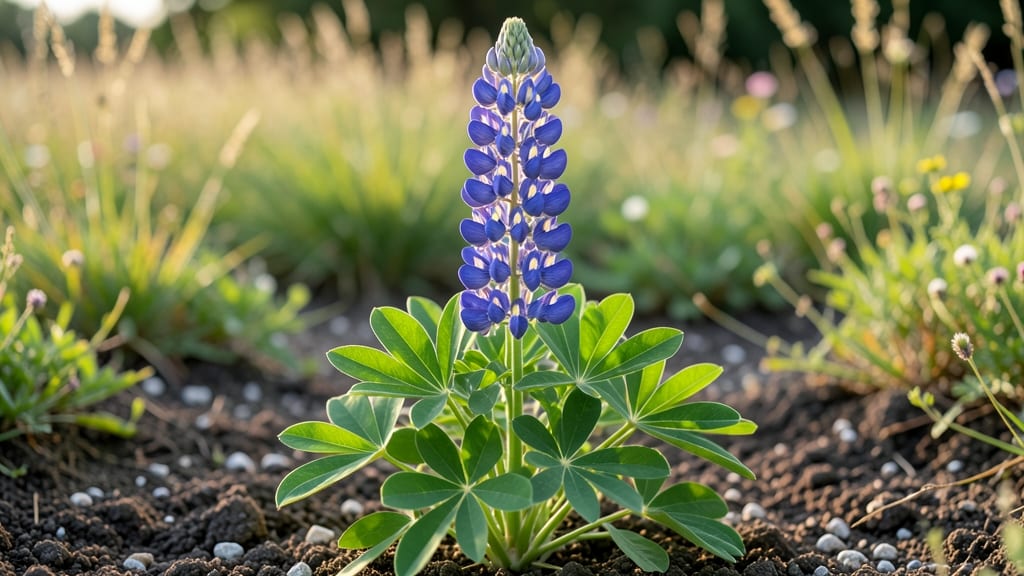
The lupine flowering season is your chance to transform a garden into a breathtaking blue, purple, or white masterpiece—if you time it right.
If you’ve ever dreamed of a garden bursting with vibrant 🌸 lupine blooms, timing is everything—planting too early or late can mean missing their spectacular show entirely.
Most lupines bloom in late spring to early summer, but the exact timing depends on your USDA zone and the variety you choose. In cooler climates like Zone 6a, expect flowers as early as May, while warmer regions may see them as late as July.
The key to a longer display? A little pruning and the right care after those stunning spikes appear.
Below, I’ll break down the exact months for your zone, share pro tips to extend the blooms, and reveal which varieties keep your garden colorful from spring through summer.
Exact lupine flowering months by USDA hardiness Zone
Timing your lupine blooms means understanding how USDA hardiness zones shape their flowering seasons. Lupines thrive in Zones 3-10, but their bloom windows shift dramatically—some burst into color in late spring, while others wait until summer's peak.
In my Zone 6a garden, I’ve learned that climate adjustments can push blooms earlier or later by weeks, even months!
Spring-blooming varieties like Lupinus polyphyllus (Russian lupine) often start flowering in May in cooler zones, while summer varieties such as Lupinus texensis (Texas bluebonnet) wait until June or July. The key? Local frost dates and temperature trends—not just the zone number.
For example, a Zone 4 garden might see blooms delayed until June, while Zone 9 lupines may start as early as March.
Here’s how lupine flowering seasons break down by zone, including early bloomers and late-season varieties that extend your garden’s color palette:
In Zones 3-4, where frost lingers into May, I’ve found that hardy perennials like Lupinus nootkatensis (Alaska lupine) are my best bet—they tolerate cold snaps and still bloom by late May.
For annual varieties, direct-sow seeds 4-6 weeks before your last frost date to ensure they’re established before heat sets in.
Moving to Zones 5-6, the sweet spot for lupines, you’ll see a two-month bloom window if you mix spring and summer types. My Zone 6a garden gets Lupinus polyphyllus in May and Lupinus ‘Russell Hybrid’ in June-July. Pro tip: Deadhead spent blooms to encourage reblooming in perennial varieties.
Warmer Zones 7-10 offer earlier blooms and longer seasons. In Zone 9, I’ve seen Lupinus texensis start flowering as early as March if planted in full sun. However, summer heat can stress lupines, so mulch heavily and water deeply to keep roots cool.
In Zone 10, some varieties may even rebloom in fall with proper care!
One critical adjustment for all zones: soil temperature. Lupine seeds won’t germinate until soil reaches 60°F (15°C). In cooler zones, use black plastic mulch or a cold frame to warm the soil 2-3 weeks earlier.
I’ve rushed blooms by 3 weeks this way in my Zone 5 garden!
For container gardening, lupines in Zones 9-10 can bloom 2-3 weeks earlier than in-ground plants because pots warm up faster in spring sun. Just ensure containers have drainage holes—lupines hate soggy roots. In cooler zones, bring containers indoors before first frost to protect tender varieties.
Finally, local microclimates matter more than zone numbers. A south-facing slope in Zone 6 might see lupines bloom 2 weeks earlier than a north-facing garden. Observe your garden’s sun exposure and wind patterns—these can shift bloom times by 10 days or more.
My sunniest spot gets Lupinus ‘Chief Joseph’ blooming in early June, while shadier areas wait until July.
With these zone-specific tips, you can plan your lupine garden for continuous color from March to August, depending on your location. Start with one early and one late variety, then expand as you master the timing! 🌸
How to extend lupine blooms: pruning and care tips
Lupines are stunning garden stars, but their blooming season can feel short-lived if you don’t take the right steps. With proper pruning techniques and care strategies, you can extend those vibrant blue and purple spikes for weeks longer.
The key? Deadheading, smart watering, and nutrient balance—all while avoiding common mistakes that cut blooms short.
Think of lupines like a well-timed performance—they need the right stage lighting (sun), backstage support (soil nutrients), and curtain calls (pruning) to keep the show running.
I’ve learned through trials (and a few over-zealous pruning mishaps) that consistency is key. Let’s dive into the proven methods that’ll keep your lupines in peak bloom.
Remove spent blooms weekly to redirect energy to new flowers. Use clean hand pruners or pinch stems between fingers.
Soak soil to 12 inches deep every 7-10 days. Avoid wetting foliage to prevent fungal diseases.
Use 5-10-10 balanced fertilizer at planting, then again when buds form. Avoid nitrogen—it promotes leaves over blooms.
Cut back 1/3 of stems after first flush of blooms to encourage second blooming. Never prune more than 30% at once.
Apply 2-3 inches of mulch (straw or shredded bark) to retain soil moisture and regulate temperature.
One critical mistake I’ve seen gardeners make is over-pruning lupines. These plants store energy in their roots, so aggressive cuts can weaken them. Instead, focus on selective pruning—trim only the oldest stems to encourage new growth from the base.
This method has extended my Lupinus polyphyllus blooms by 3-4 weeks in my Zone 6 garden.
For nutrient support, I swear by a compost tea spray during bud formation. The microorganisms boost root health without the risk of over-fertilization. Pair this with morning watering (never evening) to prevent powdery mildew, a common lupine nemesis.
A well-timed phosphorus boost (like bone meal) also signals plants to focus on flower production over foliage.
Don’t forget the sunlight factor—lupines need 6+ hours of direct sun daily. If your garden gets partial shade, blooms will be sparse. I once had a half-sun spot where my lupines produced only 20% of their usual flowers.
Moving them to full sun transformed their performance. Location matters more than you’d think!
By combining these care techniques, you’ll turn your lupines into long-blooming superstars. Start with deadheading, then layer in watering discipline and light fertilization. Your garden will thank you with months of color instead of weeks. Happy pruning! ✂️🌸