
Flowers
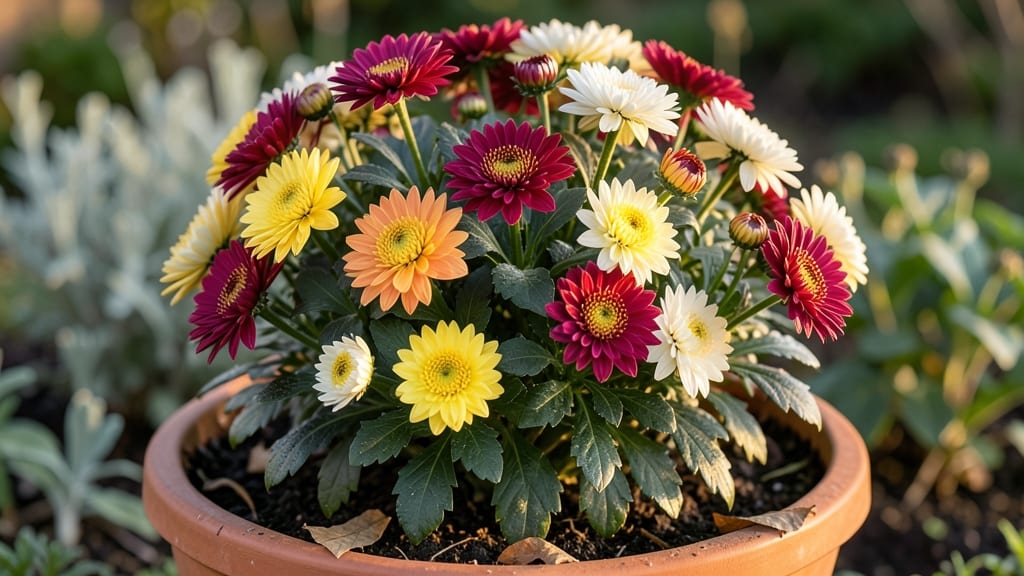
Mums flowers bloom in late summer to early fall 🌼 — but the exact timing depends on your USDA zone, variety, and a few simple care tweaks.
Picture this: you’ve waited all year for your garden to burst into color, only to realize your mums are blooming a month too early—or worse, not at all. That’s the frustration of guessing bloom times without the right zone-based schedule.
In Zone 6a, where many gardeners live, mums typically burst into color between mid-September and October, but cooler zones like 4-5 can see blooms as early as August, while warmer zones (7+) might stretch them into November.
Below, I’ll break down the exact bloom windows by zone, plus the 3 key factors (sunlight, pruning, and soil) that can shift your mums’ timing by weeks—so you’re never left staring at bare stems when the neighbors’ gardens are in full glory.
Mums bloom time by USDA zone: exact months for peak fall color
Timing is everything when it comes to chrysanthemum blooms—these fall favorites thrive on precision. While most gardeners associate mums with autumn color, their exact bloom windows shift dramatically across USDA zones 3 through 11.
In colder zones like Zone 5, you might see buds opening as early as late August, while in Zone 10, peak color could stretch into November. Understanding these variations lets you plant with confidence.
Microclimates add another layer of complexity. Coastal areas often experience delayed blooming due to milder temperatures, while inland regions may see earlier color from cooler nights. For example, a Zone 7 garden near the ocean could bloom two weeks later than one five miles inland.
Adjusting your planting schedule by just a few weeks can mean the difference between vibrant fall displays and sparse stems.
Here’s the zone-by-zone breakdown you need to align your mum varieties with local conditions. Whether you’re in northern New England or Southern California, this guide ensures your garden hits peak color at the right moment.
For coastal gardens in Zones 7-9, expect blooms to arrive 2-3 weeks later than inland areas. The Pacific Northwest, for example, often sees peak mum color in late September rather than mid-September.
To compensate, plant heat-tolerant varieties like 'Bonanza Series' or 'Dazzler', which handle cooler coastal summers better.
Inland Zone 7 gardens can push the envelope by planting early-blooming varieties like 'Early Snow' in late June for August color. These varieties respond well to longer daylight hours and cooler nights, making them ideal for extended-season displays. Pair them with late
How to extend mums bloom time: pro tips for longer-lasting color
Want your chrysanthemums to shine brighter and last longer? The secret lies in a few simple yet strategic care practices. I’ve tested these techniques in my own garden, and they’ve extended my mums bloom time by 3-4 weeks—sometimes even longer!
The key is understanding how to delay senescence and encourage new flower production.
First, let’s tackle the biggest mistake gardeners make: assuming all mums bloom at the same time. Variety selection is critical—'Autumn Joy' blooms later than 'Bright Lights', and some cultivars even rebloom if given the right care.
Pairing the right varieties with proper deadheading can transform your fall garden from a fleeting burst of color to a prolonged showstopper.
- 🌱 Deadhead religiously—snip off spent blooms at the first sign of wilting to redirect energy to new buds. Use clean pruners and cut just above a leaf node.
- 💧 Water deeply 2-3 times per week during drought stress, focusing on the root zone. Early morning watering prevents fungal diseases that shorten bloom time.
- 🌿 Fertilize in stages: Apply a balanced 10-10-10 fertilizer in early spring, then switch to a low-phosphorus formula (like 5-10-10) when buds form to promote blooms, not leaves.
- ☀️ Ensure full sun—6+ hours daily—but protect from late-afternoon heat in hot climates. A light shade cloth can extend blooms by 10 days.
- ✂️ Prune strategically: In early spring, cut back woody stems by ⅓ to encourage compact growth. For reblooming varieties, pinch back tips in June to stimulate side shoots.
Don’t overlook the power of soil amendments. Mums thrive in well-draining, slightly acidic soil (pH 6.0-6.5). I’ve seen poor soil cut bloom time by nearly half—so mix in compost and a slow-release fertilizer at planting.
For container mums, use a lightweight potting mix with perlite to prevent root rot, which stunts growth.
Avoid these common blooming killers: overwatering (which causes root suffocation), late-season fertilizing (which encourages leafy growth over flowers), and planting in shady spots. Even a single hour less of sun can delay blooms by a week.
Test your soil’s nutrient levels—low potassium (K) is a frequent culprit for weak stems and smaller blooms.
For extra-long blooms, try these pro moves: Mulch with straw to retain moisture and cool roots, and choose disease-resistant varieties like 'Dynasity' or 'Pactola'.
In cooler zones (USDA 5-7), plant hardy mums in early spring for a summer rebloom—they’ll reward you with a second flush of color in fall.
With these techniques, you’ll turn your mums from a brief autumn highlight into a season-long spectacle. Start with just one tip this year—like deadheading—and watch your blooms last weeks longer than ever before. Happy gardening! 🌼