
Planting
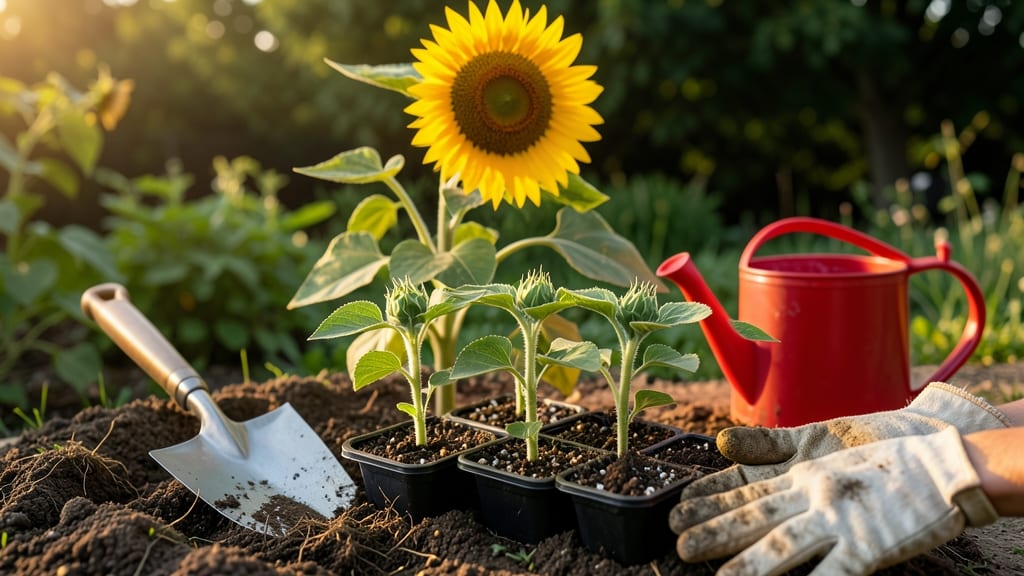
The sunflower planting season determines whether you’ll end up with 12-foot giants or sad, stunted blooms — and the difference often comes down to a few weeks of timing.
Picture this: you’ve cleared the garden bed, seeds are ready, and then a late frost hits, turning your eager sprouts into crispy snacks.
Or worse, you plant too late and the heat arrives before the flowers even think about opening. Sunflowers 🌻 don’t mess around — they need the right window to stretch skyward.
In USDA Zone 6a, that means getting seeds in the ground between mid-April and early May, after the last frost but before the dog days of summer. But what if you’re in a warmer climate?
Or if you’re growing dwarf varieties versus towering giants? The rules shift, and getting them wrong can mean the difference between a show-stopping centerpiece and a backyard afterthought.
Below, I’ll break down the exact planting windows by region, soil prep secrets to fuel height growth, and how to adjust for early vs. late starts — so you’re not left wondering why your sunflowers stayed short when they had so much potential.

Best sunflower planting season by US climate Zones
Sunflowers thrive when planted at the right time, but their ideal planting window varies dramatically across the US climate zones. In cold climates (Zones 3-5), you’ll want to wait until after the last frost, while warm climates (Zones 8-10) offer a longer growing season.
Getting this timing right ensures your sunflowers reach their maximum height potential—whether you're growing dwarf varieties (2-4 ft) or towering giants (12+ ft).
Most gardeners direct sow sunflower seeds, but transplanting seedlings can work in shorter growing seasons. The key is understanding your frost-free dates and soil temperature thresholds. For example, sunflower seeds need soil temperatures of at least 55°F (13°C) to germinate.
In Zone 3, this might mean waiting until late May, while in Zone 9, you could start as early as February.
Here’s a quick reference for sunflower planting seasons by USDA climate zones, including direct sowing vs. transplanting timing:
In Zones 3-5, where winters are harsh, I recommend sticking to early-maturing varieties like 'Autumn Beauty' or 'Teddy Bear' to avoid early frost damage. These can be planted as late as mid-June and still produce blooms before the first frost.
For Zones 6-7, you have more flexibility—planting in late April gives your sunflowers enough time to reach their full height potential before winter.
Gardeners in warm climates (Zones 8-11) can experiment with fall planting for a second harvest. In Zone 9, for example, I’ve had success sowing seeds in October to enjoy blooms in late winter.
However, avoid planting in summer heat, as high temperatures can stress young seedlings. Instead, opt for shade cloth during germination if needed.
For transplanting seedlings, start them indoors 4-6 weeks before your last frost date. Use biodegradable pots to avoid root disturbance when moving them outdoors. Harden off seedlings by placing them outside for 2-3 hours daily the week before transplanting.
This gradual exposure helps them adapt to outdoor conditions and reduces shock.
One common mistake is planting sunflowers too early in cold climates, which leads to stunted growth or even death from frost. Always check your local frost dates and adjust accordingly.
For instance, in Zone 4, I wait until May 15 to plant, even if the soil warms earlier. Patience here pays off with taller, healthier plants.
Pro tip: Use a planting calendar or app like Gardenate to track your last frost date and soil temperature. These tools take the guesswork out of timing and help you maximize sunflower height.
Pair this with well-draining soil and full sun exposure, and you’ll be rewarded with sunflowers that reach their genetic potential. 🌻
How to time sunflower planting for maximum height growth
Sunflowers thrive when planted at the right time, but their height potential depends on more than just timing—it’s about understanding day-length triggers and soil temperature.
Giant varieties like 'Mammoth' need longer daylight hours to reach their full 12+ foot height, while dwarf varieties like 'Teddy Bear' can bloom earlier but stay compact. The key? Planting when your region’s daylight hours exceed 14-16 hours, typically late spring to early summer.
Soil temperature plays a critical role too. Seeds won’t sprout until the soil reaches 55°F (13°C)—waiting for this ensures strong root development, which fuels upward growth. In cooler climates, use black plastic mulch to warm the soil faster.
Meanwhile, watering schedules matter just as much: deep, infrequent watering encourages deeper roots, which stabilize taller stems and prevent toppling in wind or rain.
- 1 Plant after last frost
Wait until soil is 55°F+ (13°C+)—use a soil thermometer to confirm. Giant varieties need 60+ days of warm weather to reach max height.
- 2 Space for sunlight
Dwarf varieties: 12 inches apart. Standard/giant: 18-24 inches apart. Crowding reduces sunlight exposure, stunting growth by up to 30%.
- 3 Water deeply, less often
Give 1-2 gallons per plant weekly (more in summer). Shallow watering causes weak stems—critical for 10+ foot varieties that need structural support.
- 4 Adjust for variety
Dwarf varieties (e.g., 'Sunspot') can plant 2-3 weeks earlier than giants. Giant varieties need full summer sun—plant them after June 1 in most US zones.
Daylight hours are the secret weapon for sunflower height. Sunflowers are photoperiod-sensitive, meaning their growth accelerates when days exceed 14-16 hours. In northern climates, plant giants in late May to early June to capitalize on summer’s long days.
For dwarf varieties, you can start as early as mid-April—they’ll bloom faster but stay shorter, making them ideal for container gardens or small spaces.
Don’t overlook soil fertility either. While sunflowers are low-maintenance, they respond well to a balanced fertilizer (10-10-10) applied at planting and again when stems reach 12 inches tall. This boosts stem strength and flower size, especially for giant varieties like 'Russian Giant' that can top 15 feet.
Just avoid over-fertilizing—too much nitrogen leads to leafy growth at the expense of height.
Finally, protect your sunflowers from wind damage, which can snap tall stems. Stake 10+ foot varieties early (when stems hit 3 feet) using soft ties to prevent breakage.
With the right timing, spacing, and care, your sunflowers won’t just grow—they’ll soar, turning your garden into a sunlit skyline. 🌻