
Planting
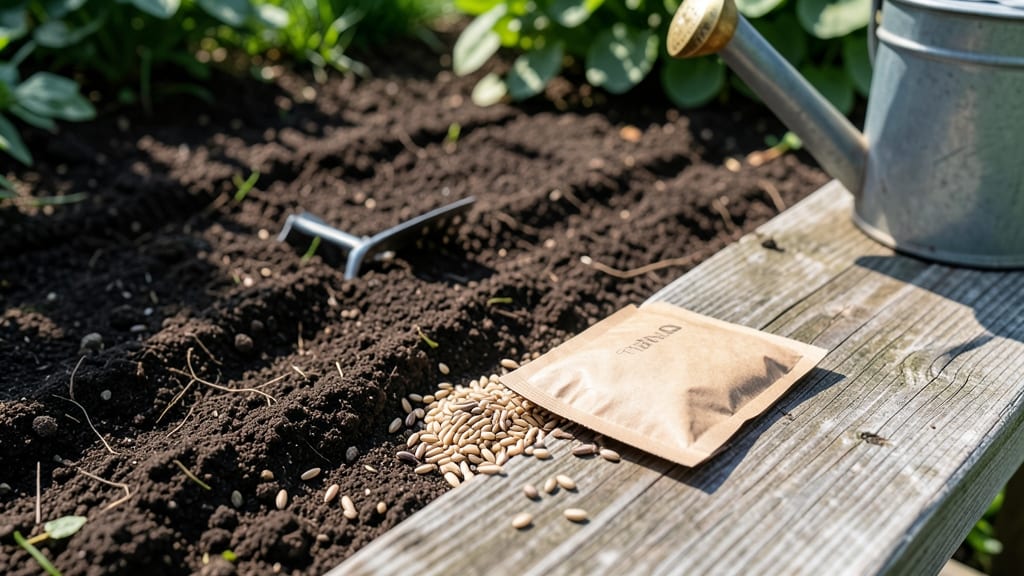
Sowing wildflower seeds in Zone 6 🌼 at the right time means the difference between a lush meadow and a missed opportunity.
Picture this: you’ve prepped the soil, chosen the perfect mix of seeds, and even marked the spot—but if you plant too early, frost will wipe them out, and too late, summer heat will dry them before they sprout. I’ve seen both happen, and the frustration is real.
Zone 6 gardeners have two ideal windows: early spring, just as the soil warms but before weeds take over, or late summer, when the heat cools slightly and moisture lingers.
These timings aren’t just guesswork—they’re tied to soil temperatures, frost dates, and even rainfall patterns that vary across 6a and 6b.
Below, I’ll break down the exact months, soil prep secrets, and seed varieties that thrive when sown at the best times—so you can skip the trial-and-error and get straight to those vibrant blooms.

Best months to Sow wildflower seeds in Zone 6 for peak germination
Timing your wildflower seeds correctly in Zone 6 means the difference between a lush meadow and wasted effort. Most wildflower seeds thrive when sown during two key windows: early spring and late summer. These periods align with soil temperatures between 40°F and 75°F, ideal for germination.
In my experience, planting too early risks frost damage, while planting too late can lead to weak seedlings struggling before winter.
Zone 6 spans 6a (-10°F to 0°F) and 6b (0°F to 10°F), with last frost dates ranging from mid-April to early May and first frosts arriving mid-October to early November.
Understanding these dates helps you avoid planting when soil is still too cold or when summer heat stresses young seedlings. For example, my Black-eyed Susan seeds germinated poorly when planted in late May—the heat and dry soil created a hostile environment.
Here’s the golden rule for Zone 6 gardeners: aim for March-April (spring) or August-September (fall). These months balance soil warmth, moisture, and reduced frost risk. Spring sowing gives plants a full growing season, while fall planting allows seeds to establish roots before winter dormancy.
However, your local microclimate matters—coastal areas may have milder winters, while inland regions face harsher frosts.
| Sowing Window | Ideal Soil Temp (°F) | Frost Risk | Seedling Care Tip |
|---|---|---|---|
| March-April (Spring) | 50-65°F | Low (post-last frost) | Keep soil moist; protect with row covers if late frost threatens. |
| August-September (Fall) | 60-75°F | Moderate (early frost possible) | Sow 4-6 weeks before first frost for root establishment. |
| February (Early Spring) | 40-50°F | High (frost likely) | Use cold frames or start indoors for tender species. |
| October (Late Fall) | 50-60°F | Very High | Avoid—seeds won’t germinate before winter. |
Spring sowing in Zone 6 should begin as soon as soil temperatures consistently reach 50°F—typically late March. I’ve found that using a soil thermometer for 3-5 days gives the most accurate reading.
For fall planting, aim to finish by mid-September to allow seedlings to develop 2-3 inches of growth before winter. This timing ensures roots survive Zone 6’s first frosts while avoiding the stress of late-season heat.
Regional microclimates play a huge role. For example, western Zone 6 (drier climates like Colorado or Wyoming) benefits from fall sowing to take advantage of winter moisture.
Meanwhile, eastern Zone 6 (humid areas like Pennsylvania or Ohio) often sees better results with spring planting to avoid fungal issues from excess moisture. Always check your local frost dates—they can vary by 1-2 weeks even within the same zone.
If you’re unsure about your local conditions, observe nearby gardens or consult your Cooperative Extension Service. They provide hyper-local frost data and can recommend wildflower mixes tailored to your area. For instance, coneflowers and black-eyed Susans thrive in both spring and fall plantings, while annual poppies prefer spring sowing.
Mixing species with different planting windows extends your bloom season from early summer to fall.
Protecting your seeds is critical during Zone 6’s unpredictable weather. After sowing, apply a light mulch (straw or leaves) to retain moisture and regulate soil temperature. In spring, watch for late frosts—a simple frost cloth can save your seedlings.
For fall plantings, focus on soil prep: loosen the top 2-3 inches and mix in compost to improve drainage, which prevents waterlogged roots during winter thaws.
Remember, wildflower seeds are not like vegetable seeds—they often require light to germinate. Avoid burying them more than 1/4 inch deep. Instead, scatter them thinly and lightly rake the soil. This method mimics natural conditions where seeds land on bare ground.
In my Zone 6 garden, I’ve seen 90% germination rates with this approach, compared to 30% when seeds were buried too deep.
Finally, don’t overlook seed stratification for certain wildflowers like lupines or penstemons. These seeds need a cold period to break dormancy. If you’re sowing in spring, stratify them in the fridge for 4-6 weeks before planting.
For fall sowing, nature handles this—just let seeds overwinter in the soil. This trick has helped me successfully grow native milkweed, a favorite for pollinators, in my Zone 6b garden.
With the right timing and care, your Zone 6 wildflower meadow will reward you with vibrant blooms from June to October. Start with small test plots to refine your approach, and soon you’ll have a self-sustaining ecosystem
How to prepare your Zone 6 soil for wildflower seed success
Wildflowers thrive when planted in well-prepared soil that mimics their natural, undisturbed habitats. In Zone 6, where soil can range from clay-heavy to sandy, proper preparation ensures strong germination and vibrant blooms.
Start by clearing the area of existing vegetation and debris, which competes with your seeds for nutrients and water.
Before planting, test your soil’s pH level—wildflowers prefer a slightly acidic to neutral range (6.0-7.0). Most garden centers sell affordable pH test kits or you can send a sample to your local cooperative extension office.
Adjusting pH with lime (to raise) or sulfur (to lower) may be necessary for optimal seed performance.
Zone 6’s humid eastern regions often suffer from compacted soil, while drier western areas may have poor water retention. Loosen the top 6 inches of soil using a garden fork or tiller to improve aeration and drainage.
For heavy clay soils, mix in compost or aged manure to break up particles and enhance fertility.
⚠️ WARNING: Avoid Over-Tilling for Wildflowers ⚠️
⚠️ Over-tilling disrupts wildflower seeds' natural germination triggers. These seeds often require light exposure to sprout, so only loosen the top 1-2 inches of soil. If you must till deeper, lightly rake the surface afterward to create a fine, crumbly texture that mimics natural meadow conditions. Zone 6’s fall planting (August-September) benefits most from minimal disturbance to protect seeds from winter moisture fluctuations.
Remove weeds and grass thoroughly, as they’ll compete aggressively with your wildflowers. Use a broadfork or hand weeding to avoid disturbing the soil too much. For stubborn weeds, apply a vinegar-based herbicide 2-3 weeks before planting, ensuring it doesn’t harm nearby plants.
After weeding, let the soil settle for 1-2 weeks to allow any remaining weed seeds to germinate and be removed.
Choose a wildflower seed mix tailored to your Zone 6 microclimate. For humid eastern areas, select moisture-loving varieties like black-eyed Susans or coneflowers. In drier western regions, opt for drought-tolerant natives such as purple coneflower or blanket flower.
Mix annuals and perennials to ensure year-round color and attract pollinators.
Finally, lightly rake the prepared soil to create a fine, even surface. Scatter seeds thinly (follow package instructions) and press them into the soil with a lightweight rake or your hand. Avoid burying seeds deeper than 1/4 inch, as most wildflower seeds need light to germinate.
Water gently but thoroughly to settle the soil and keep it consistently moist until germination, which typically occurs in 10-30 days.