
Planting
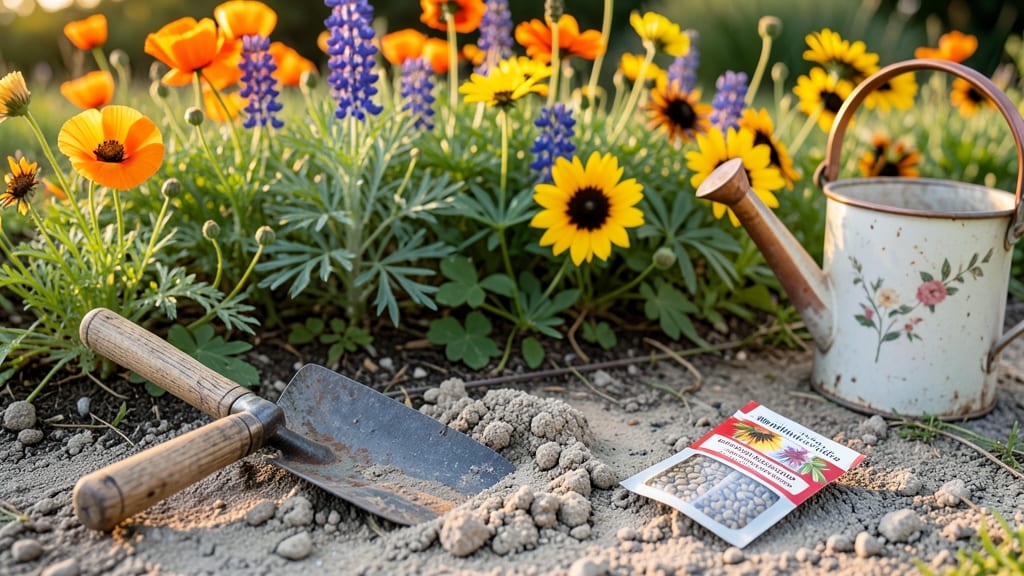
Plant wildflower seeds in Zone 9 during fall or early spring for the most vibrant, long-lasting blooms 🌼 — timing is everything to beat the heat and drought.
Miss the window, and you’ll end up with patchy meadows or seeds that sprout too late, struggling under summer’s intensity. In Zone 9, where winters are mild and summers scorching, the right timing means the difference between a lush display and wasted effort.
Fall planting (October–December) lets seeds germinate in cool, moist soil, while spring (February–March) catches the early rains. Coastal areas may lean toward winter sowing, but inland spots benefit from the extra moisture of late fall.
Below, I’ll break down the exact months, soil prep tricks, and post-planting care to keep your wildflowers thriving year-round — no guesswork, just season-specific success.

Best months to plant wildflower seeds in Zone 9 for season-long color
Zone 9’s mild winters and hot summers create a unique opportunity for year-round wildflower blooms, but the key to success lies in strategic planting timing. Unlike cooler climates, Zone 9’s 300 frost-free days allow wildflowers to thrive with the right seasonal approach.
Planting at the wrong time can lead to poor germination or overwhelming summer heat stress—so let’s break down the best windows to maximize your meadow’s potential.
Fall planting (October–December) is my top recommendation for Zone 9 gardeners. The cooler temperatures and natural winter rains create ideal conditions for seeds to swell and germinate without competing with weeds.
Plus, many wildflower species self-stratify during winter, meaning they’ll sprout more reliably when spring arrives. This method also means you’ll see earlier spring blooms compared to spring planting.
Spring planting (February–March) is a close second, especially if you missed the fall window. The increasing daylight and warmer soil temperatures kickstart growth, but you’ll need to water consistently until roots establish. Spring-planted seeds often bloom later in the season, filling the summer-to-fall gap when other plants might fade.
Winter planting (January) is possible in coastal Zone 9 areas with milder microclimates, but it’s riskier due to unpredictable rainfall. If you choose this route, wait until after the first significant rain to avoid drying out seeds. Inland areas should skip winter planting unless you have irrigation capabilities.
Here’s a quick comparison of your best options for Zone 9 wildflower planting, including climate-specific tips to leverage natural irrigation:
For fall planting, aim to sow seeds after the first significant rain of October. This ensures moisture penetrates the soil without you needing to water. A light ¼-inch mulch (like straw) helps retain that moisture while keeping seeds cool.
In inland Zone 9, where winters can be drier, consider a lightweight fabric row cover to protect seeds from drying winds.
When planting in spring, prepare your soil in February by removing weeds and loosening the top 2–3 inches of soil. Scatter seeds thinly—wildflowers need space to thrive—and press them into the soil with a light rake.
Unlike fall, spring planting requires regular watering (every 5–7 days) until seeds germinate, which typically takes 10–20 days depending on the species.
Zone 9’s summer heat can be brutal for newly planted wildflowers, so timing matters even more. If you plant in late spring (April), focus on shade-tolerant species like California poppies or lupines, which handle heat better than others.
Always plant in well-draining soil to prevent root rot—a common issue in Zone 9’s clay-heavy soils.
Pro tip: Mix native wildflower seeds with non-native varieties for a longer bloom season. For example, Black-Eyed Susans (native) bloom in late summer, while cosmos (non-native) fill the summer gap. This layered approach ensures your meadow stays vibrant from spring to fall.
Finally, remember that Zone 9’s microclimates vary. Coastal areas (like San Diego) can plant earlier in fall and later in spring than inland desert regions (like Phoenix). Always check your local last frost date—even in Zone 9, light frosts can occur in December or January.
With the right timing, your Zone 9 wildflower meadow can become a year-round pollinator paradise, attracting bees, butterflies, and hummingbirds for months on end. 🌼
How to extend your wildflower season: fall vs. spring planting strategies
In Zone 9, you can create a year-round wildflower display by strategically planting in both fall and spring. Each season offers unique advantages, from cooler temperatures to natural rainfall patterns that boost germination. Let’s break down the best strategies for each planting window to maximize your wildflower success.
Fall planting (October–November) gives seeds a head start by leveraging cooler temperatures and winter rains, which reduce watering needs. Spring planting (February–March) capitalizes on warmer soil and longer daylight, but requires diligent moisture control.
Both methods can extend your blooms, but they demand different prep work and care routines.
Fall Planting (October–November)
- Natural winter rains reduce watering
- Seeds germinate in spring for early blooms
- Fewer weeds compete with seedlings
- Requires soil prep before rains arrive
- Some seeds may sprout too early and die in frost
- Slower establishment in dry fall conditions
Spring Planting (February–March)
- Warmer soil speeds up germination
- Longer daylight encourages rapid growth
- Easier to monitor and water seedlings
- Higher weed competition
- Requires frequent watering in dry spells
- Later blooms compared to fall planting
For fall planting, start by clearing the area of weeds and loosening the top 2–3 inches of soil. Scatter seeds evenly (aim for 10–20 seeds per square foot) and lightly rake them into the soil.
A ¼-inch layer of mulch helps retain moisture, especially if rains are delayed. Water gently to settle the seeds, but avoid overwatering, which can wash them away.
When planting in spring, focus on soil preparation first. Add a 2-inch layer of compost to improve drainage and fertility. Sow seeds at the same depth as their size (typically ⅛–¼ inch deep) and keep the soil consistently moist until germination.
Use a lightweight mulch to suppress weeds and retain soil moisture during warm days.
Both methods benefit from minimal fertilization—wildflowers thrive in lean soil. Instead, prioritize consistent moisture during the first 4–6 weeks after planting. Once established, wildflowers in Zone 9 become drought-tolerant, but early care is critical for strong root development.
To extend your blooms, consider reseeding in late summer (August) for a fall display. This creates a continuous cycle of color from spring through winter. Just remember: timing is everything in Zone 9’s mild yet unpredictable climate.