
Diseases
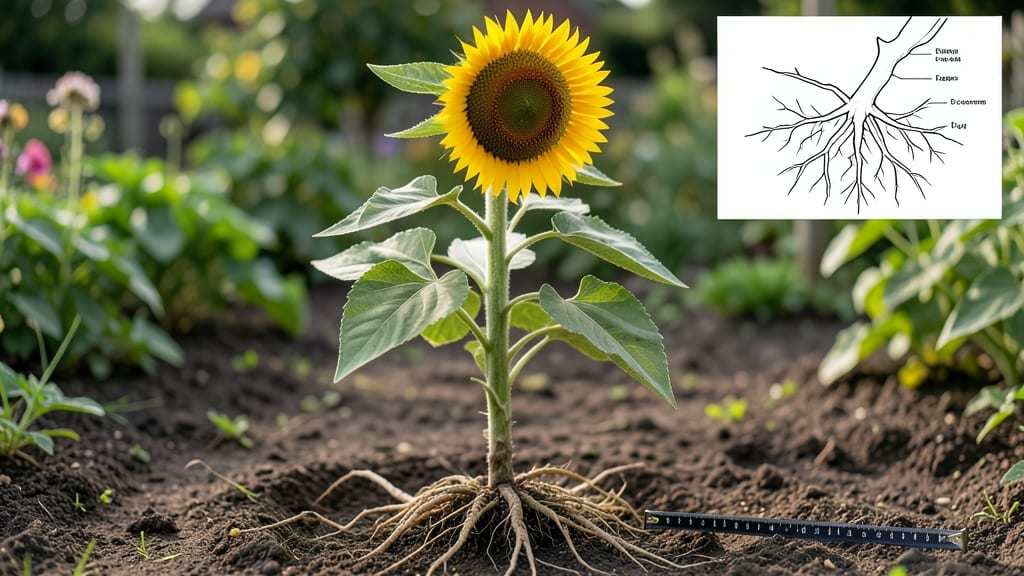
The sunflower root depth grows surprisingly deep—often 3 to 6 feet or more—to anchor towering stems and access water in dry soil.
Did you know these 🌻 giants can send roots deeper than a child is tall? Yet, many gardeners overlook how planting depth affects stability, drought resistance, and even flower size. Shallow roots mean floppy stems and stunted growth, while deep roots unlock the secrets to stronger plants.
In this guide, I’ll break down how deep sunflower roots actually go, why it matters for your garden, and the simple soil prep tricks to encourage them to grow strong. No guesswork—just proven techniques for Zone 6a and beyond.
You’ll learn how to space plants for maximum root space, avoid common mistakes like overcrowding, and even use companion plants to boost root health. Let’s get those sunflowers standing tall!
How deep do sunflower roots grow? A breakdown by variety and growth stage
Sunflowers are famous for their towering stems and vibrant blooms, but their root systems are just as impressive—often extending 3 to 6 feet deep into the soil. This deep penetration helps them anchor firmly and access nutrients, but the exact depth varies by variety and growth stage.
Understanding these differences can transform your gardening success, especially in windy or drought-prone areas.
For giant sunflower varieties like 'Mammoth' or 'Russian Giant,' roots can reach 6+ feet, while dwarf varieties like 'Teddy Bear' typically stay shallower at 1-2 feet.
Even within the same species, root depth evolves dramatically as the plant matures, with seedlings developing minimal roots and mature plants creating extensive networks. Let’s explore how these factors interact and what they mean for your garden.
Why does root depth matter? Deeper roots improve drought tolerance, nutrient uptake, and wind resistance, reducing the risk of toppling. Shallow roots, common in compacted or poorly prepared soil, can lead to stunted growth or unstable stems. By tailoring your soil prep and care to your sunflower’s root needs, you’ll set the stage for healthier, more resilient plants.
During the seedling stage (0-4 weeks), sunflower roots are shallow, typically reaching only 0.5 to 1 foot. This is when they’re most vulnerable to drought stress or poor soil conditions.
Focus on keeping the soil consistently moist and loose to encourage early root development. Without proper care, seedlings may struggle to establish a strong foundation, leading to weaker plants later.
As sunflowers enter the vegetative stage (4-8 weeks), their roots begin a rapid expansion, often growing 2 to 4 feet deep. This is the critical phase for nutrient uptake and structural support.
If your soil is compacted or lacks organic matter, roots may struggle to penetrate deeply, limiting the plant’s ability to access water and nutrients. Loosening the soil with compost or organic matter can make a significant difference during this stage.
Mature sunflowers (8+ weeks) showcase their full root potential, with depths ranging from 2 feet in dwarfs to 6+ feet in giants. This depth isn’t just for show—it’s a survival strategy. Deep roots tap into subsoil moisture, making sunflowers surprisingly drought-tolerant once established. However, this resilience depends on proper soil preparation before planting, especially for tall varieties.
Environmental factors like soil type, moisture levels, and temperature also influence root depth. Sandy soils, for example, may allow roots to penetrate more easily, while clay-heavy soils can restrict growth.
Additionally, consistent watering encourages deeper root development, while surface watering can lead to shallow, weak roots. Aim for deep, infrequent watering to promote root expansion.
One surprising fact about sunflower roots is their ability to self-regulate based on conditions. In drought-prone areas, roots may grow even deeper to access water, while in waterlogged soils, they’ll spread horizontally to avoid suffocation.
This adaptability is why sunflowers thrive in diverse climates, but it also means gardeners must provide the right conditions to unlock their full potential.
If you’re growing sunflowers in containers or urban gardens, root depth becomes even more critical. Dwarf varieties may suffice, but their roots will still need at least 12 inches of soil depth to thrive.
For taller varieties, ensure your container is 2 feet deep or deeper and use a well-draining potting mix enriched with compost to support root growth.
For commercial growers or large-scale planting, understanding root depth helps with spacing recommendations. Giant sunflowers need 18
Why sunflower root depth matters for stability and soil health
Sunflowers aren’t just about their towering bright yellow blooms—their root systems are just as impressive. Deep roots anchor these tall giants firmly in the soil, preventing them from toppling in wind or storms. Without proper root depth, even the sturdiest sunflower can become a falling hazard in your garden.
The deeper the roots, the better the plant’s ability to access water and nutrients, especially during drought conditions.
Imagine a 15-foot sunflower with roots extending 6 feet deep—that’s not just a fun fact, it’s a survival strategy. These deep roots help sunflowers outcompete weeds, stabilize the plant in loose or windy soils, and even improve the overall soil structure over time.
Shallow roots, on the other hand, lead to poor nutrient uptake, stunted growth, and plants that struggle to stand upright, especially in heavy or compacted soil.
- 🌱 Stability: Deep roots (3-6 ft) anchor sunflowers, preventing toppling in wind or storms.
- 💧 Drought Resistance: Taproots reach moisture deep in soil, reducing watering needs after establishment.
- 🌿 Nutrient Uptake: Extensive root systems access nitrogen, phosphorus, and trace minerals from lower soil layers.
- ⚠️ Shallow Roots Risk: Poor soil prep or compaction stunts growth, leading to weak stems and toppling plants.
- 🔧 Soil Health: Sunflower roots loosen compacted soil, improving aeration and water infiltration for future plants.
One of the biggest misconceptions about sunflowers is that their above-ground height is the only thing that matters. In reality, their root-to-shoot ratio is what determines how well they’ll perform.
For example, a giant sunflower variety like ‘Mammoth’ can have roots extending 6 feet deep, while dwarf varieties like ‘Teddy Bear’ might only reach 2-3 feet. This difference explains why taller sunflowers often need deeper, looser soil to thrive.
If your sunflowers are leaning or falling over, it’s often a sign of shallow root development. This can happen if the soil is too compacted, lacks organic matter, or wasn’t prepared properly before planting.
To fix this, amend the soil with compost or aged manure before planting, and avoid over-tilling, which can damage delicate root structures. Even a light mulch layer around the base helps retain moisture and encourages roots to grow deeper.
Deep roots also play a critical role in soil health. As sunflowers grow, their roots break up compacted soil, creating channels that improve water drainage and air circulation. This natural soil aeration benefits not just the sunflowers but also future plants in the same garden bed.
Over time, sunflowers can enrich the soil with organic matter as their roots decompose, adding nutrients like nitrogen and phosphorus back into the ecosystem.
To optimize sunflower root depth, focus on proper soil preparation and consistent watering. Plant seeds in loose, well-draining soil mixed with compost, and water deeply but infrequently to encourage roots to search for moisture below the surface.
Avoid surface watering, which can lead to shallow root systems. With the right care, your sunflowers will grow strong, stable roots that support both their towering stems and your garden’s long-term health. 🌻