
Size
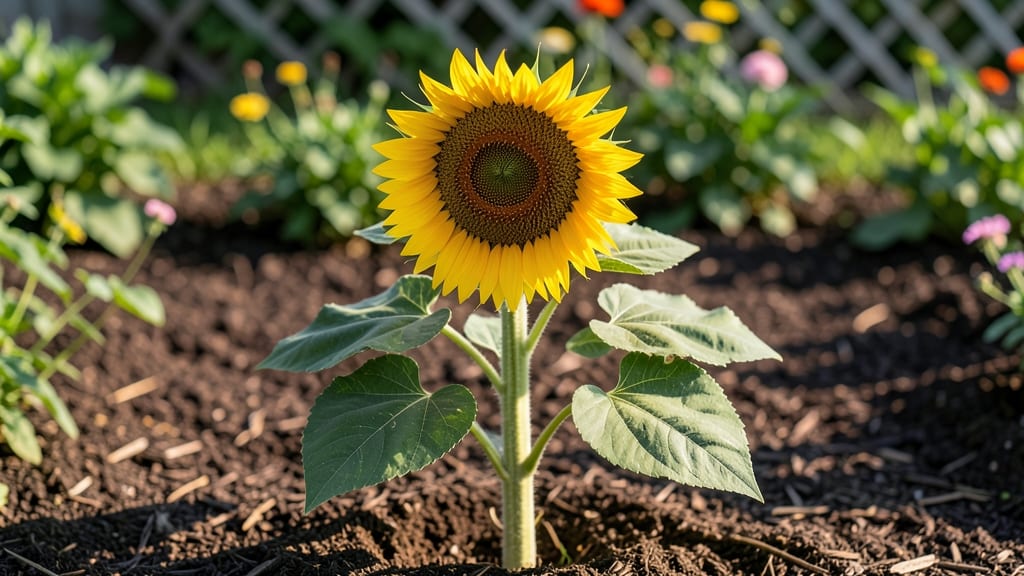
The Teddy Bear Sunflower height ranges from 2 to 5 feet, making it a charming mid-sized bloomer for pollinator gardens.
If you’re dreaming of a whimsical garden centerpiece that doubles as a pollinator magnet, the Teddy Bear Sunflower could be your perfect match—but knowing its exact height at each growth stage is key to planning your space right.
This sunflower’s growth varies by variety, with dwarf types hitting 2–3 feet and standard cultivars reaching 4–5 feet by late summer. That’s taller than a kitchen counter, so placement matters for both aesthetics and airflow.
Below, I break down how to encourage optimal height—from soil prep to sunlight tricks—plus how it compares to other sunflowers for your garden layout.

Teddy Bear Sunflower height by growth stage: exact measurements from seed to bloom
If you’re planning your garden layout around these adorable Teddy Bear Sunflowers, understanding their height progression is essential. Unlike their towering cousins, these sunflowers grow at a manageable pace, making them perfect for smaller spaces or container gardens.
From the moment you plant those tiny seeds to when they burst into fluffy yellow blooms, their height changes dramatically—and knowing these milestones helps you space them just right.
One of the biggest misconceptions is that all sunflowers grow to Mammoth proportions. Teddy Bear varieties stay between 2 to 5 feet tall, depending on growing conditions. But what matters most is tracking their growth stages to predict when they’ll reach key heights.
This ensures you don’t crowd them too early or leave them too isolated as they mature.
Here’s the exact height progression you can expect from seed to bloom, along with spacing tips for each stage:
| Growth Stage | Average Height | Time to Reach Stage | Spacing Recommendation |
|---|---|---|---|
| Seed Germination | 0 inches | 5-10 days | N/A (seeds planted 1/4" deep) |
| Seedling Stage | 1-2 inches | 2-3 weeks | 6-8 inches apart (thin seedlings) |
| Rosette Formation | 6-12 inches | 4-6 weeks | 10-12 inches apart (final spacing) |
| Vegetative Growth | 18-24 inches | 8-10 weeks | 12-18 inches apart (if in rows) |
| Bud Formation | 24-30 inches | 10-12 weeks | Stake if near windy areas |
| Full Bloom | 36-60 inches | 12-16 weeks | 18-24 inches apart (mature spacing) |
At the seedling stage, your Teddy Bear Sunflowers will only reach 1-2 inches tall, but this is when you should thin them to 6-8 inches apart to prevent overcrowding. Skipping this step can stunt their growth later, as they’ll compete for nutrients and sunlight.
Think of this stage as their foundation-building phase—just like how a sturdy fence needs proper spacing to support weight.
By the time they form a rosette (those circular clusters of leaves at the base), they’ll have grown to 6-12 inches tall. This is your last chance to adjust spacing before they shoot up.
If you’re planting in containers, ensure each plant has at least 12 inches of diameter to accommodate their root spread. I’ve seen gardeners accidentally cram them too close here, only to watch their stems lean awkwardly later.
Once they hit the vegetative growth stage (18-24 inches), you’ll notice rapid upward progress. This is when their main stem thickens, preparing for the bud formation stage.
If you’re growing them near a fence or trellis, now’s the time to install support. Without it, wind can snap those woody stems
How to maximize Teddy Bear Sunflower height: soil, sun, and support tips
Want your Teddy Bear Sunflowers to reach their full 4-5 foot potential? The secret lies in three critical factors: soil quality, sun exposure, and structural support.
These dwarf-friendly giants thrive when given the right conditions, but even small adjustments can mean the difference between a 3-foot bush and a 5-foot showstopper. Let’s break down how to coax every inch of height from your plants—whether you’re growing the classic variety or a shorter dwarf cultivar.
First, soil pH plays a surprisingly big role. Teddy Bear Sunflowers prefer slightly acidic to neutral soil (pH 6.0-7.0). If your soil tests higher, amend it with compost or peat moss to create an ideal growing medium.
Well-draining soil is non-negotiable—these sunflowers hate soggy roots, which can stunt growth or even kill the plant. A quick soil test before planting will save you from guessing games later.
- 1 Soil Prep: Mix compost into the top 12 inches of soil to boost nutrients. Aim for loamy soil with good aeration—Teddy Bears need room for their roots to spread.
- 2 Sunlight Rules: Place plants in full sun (6+ hours daily). Even partial shade can reduce height by 20-30%. South-facing beds are ideal in northern climates.
- 3 Watering Schedule: Deep water 2-3 times per week during dry spells. Avoid overhead watering—wet foliage invites fungal diseases like powdery mildew, which weakens stems and limits height.
- 4 Staking Strategy: Install bamboo stakes or tomato cages when plants hit 18-24 inches tall. Tie stems loosely with soft plant ties to prevent stem damage. Wind resistance is key—unstaked plants may flop, wasting energy and stunting growth.
- 5 Fertilizer Boost: Use a balanced 10-10-10 fertilizer every 4-6 weeks during the growing season. Over-fertilizing leads to leafy growth at the expense of height—stick to the 1 tbsp per plant rule.
For dwarf varieties, which typically max out at 2-3 feet, the same rules apply—but with a few tweaks. These shorter sunflowers still need full sun and sturdy support, but you can plant them closer together (6-8 inches apart) to create a dense border.
If you’re growing them in containers, choose pots that are at least 12 inches deep to accommodate their root systems. Shallow pots restrict growth and can lead to top-heavy plants that topple over.
Don’t overlook the power of mulch—apply a 2-3 inch layer of organic mulch (like straw or shredded leaves) around the base of your plants. Mulch retains moisture, regulates soil temperature, and suppresses weeds, all of which contribute to healthier, taller growth.
Replenish mulch every 4-6 weeks during the growing season to keep it effective. Pro tip: Avoid piling mulch against the stems—this can trap moisture and cause rot.
Finally, wind resistance is non-negotiable for maximizing height. Even in mild breezes, flopping stems waste energy and can lead to broken stems or misshapen blooms.
If you live in a windy area, consider planting Teddy Bear Sunflowers near a windbreak (like a fence or hedge) or use heavier stakes for support. For extra stability, bury stakes deeper (6-8 inches) and secure them with two ties per plant—one at the base and one mid-stem.
With these soil, sun, and support strategies, your Teddy Bear Sunflowers will reach their full genetic potential—whether you’re aiming for a 5-foot giant or a compact 2-foot border plant. Happy growing! 🌻