
Flowers
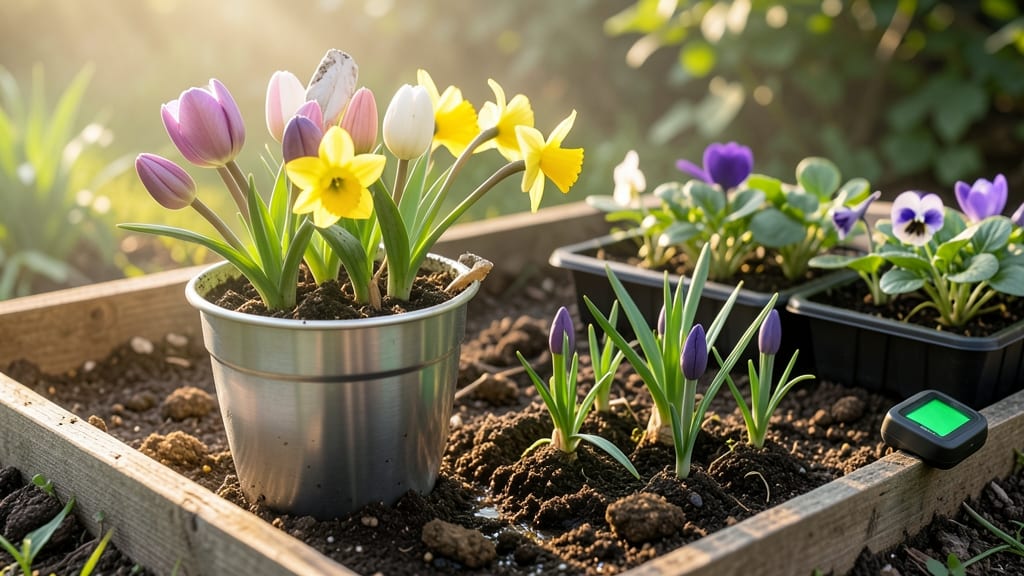
You can plant flowers in spring as soon as the soil warms and the last frost has passed—typically between late March and mid-May, depending on your USDA zone.
Timing your spring flower planting wrong can mean wilting dreams before blooms even appear—but get it right, and your garden will burst into color like clockwork. The secret? Knowing your USDA zone and the exact window for planting annuals, perennials, and tender blooms.
In Zone 6a, where many gardeners live, the ideal time is after your average last frost date—usually around late April to early May. But cooler zones like Zone 3 may wait until early June, while warmer climates like Zone 10 can start as early as February.
Each region has its own rhythm.
Below, I’ll break down the exact months for your zone, how to prepare soil for vibrant blooms, and the 5 biggest mistakes that ruin spring plantings—so you can enjoy flowers from early summer to fall without a hitch.
Spring flower planting calendar by USDA Zone: exact months for annuals vs. perennials
Spring flower planting success starts with understanding your USDA hardiness zone—because what works in Zone 5 (like early pansies) may freeze in Zone 8.
The key difference? Cool-season annuals (like snapdragons and sweet peas) thrive when planted 4-6 weeks before last frost, while warm-season blooms (petunias, marigolds) need soil temperatures above 60°F to avoid stunted growth. Let's break down your planting window by zone.
First, find your zone using the USDA Plant Hardiness Zone Map—most gardeners fall between Zones 3-10. Then, calculate your average last frost date (check local weather records or use the National Oceanic and Atmospheric Administration (NOAA) frost calculator).
This date becomes your anchor for timing everything from perennial transplants to seed sowing. For example, in Zone 7, last frost typically arrives March 15, while Zone 10 may never experience frost at all.
Here's the golden rule: Cool-season flowers (like pansies, violas, and calendula) can handle light frosts and should go in 4-6 weeks before last frost. Warm-season favorites (petunias, geraniums, sunflowers) must wait until after last frost and only when soil temps hit 60°F+.
Perennials like coneflowers and black-eyed Susans can often be planted 2-3 weeks before last frost if your soil isn't frozen.
Pro tip: Use row covers or cold frames to extend your planting window in Zones 3-5 by 2-3 weeks. For Zones 6-10, focus on succession planting—staggering warm-season flowers every 2 weeks for continuous blooms. Now, let's dive into the zone-by-zone breakdown you've been waiting for.
Let's zoom in on Zone 6a (like much of the Midwest) where I garden—your last frost date is typically April 15. This means cool-season annuals like pansies and sweet peas should hit the soil by March 1 (6 weeks before frost).
Meanwhile, warm-season stars such as petunias and marigolds can't go in until May 1, when soil temps reliably stay above 60°F. Perennials like bearded iris can be planted as early as March 15 if your soil isn't frozen.
For Zones 3-5, where winters are harsh, focus on hardy cool-season annuals like calendula and snapdragons
How to adjust planting times for early vs. late spring bloomers
Not all flowers thrive on the same planting schedule—some need a head start against frost, while others prefer warmer soil. The key to a continuous bloom season is adjusting your timing based on plant hardiness and local microclimates.
Early bloomers like tulips and daffodils can handle cold snaps, while heat-lovers like geraniums need to wait until soil warms. Let’s break down how to sync your planting with your garden’s rhythm.
Start by identifying your last frost date (check the USDA Plant Hardiness Zone Map for your area). Then, categorize your flowers into cool-season (plant 4–6 weeks before last frost) and warm-season (plant 2–3 weeks after).
For example, pansies and snapdragons can brave early spring, while petunias and marigolds need to wait until temperatures stabilize.
Here’s your numbered checklist for adjusting planting times like a pro:
For succession planting, sow fast-growing annuals like bachelor’s buttons every 2 weeks after your first planting. This ensures a non-stop parade of blooms from spring to frost. Pro tip: Pair early bloomers (e.g., calendula) with late-season stalwarts (e.g., chrysanthemums) for seamless transitions.
If you’re in a warmer zone (8–10), you can plant tender perennials like dahlias as early as February, but protect them with frost cloth until nighttime temps stay above 40°F.
In colder zones (3–5), opt for hardy perennials like coneflowers or black-eyed Susans, which tolerate sub-zero temps once established.
Remember: Mother Nature’s schedule isn’t set in stone. Adjust based on unusual weather—if your area experiences an early heatwave, warm-season flowers can go in sooner. Conversely, a late frost might delay planting by weeks.
Stay flexible, and your garden will reward you with months of vibrant blooms instead of a single burst of color.