
Flowers
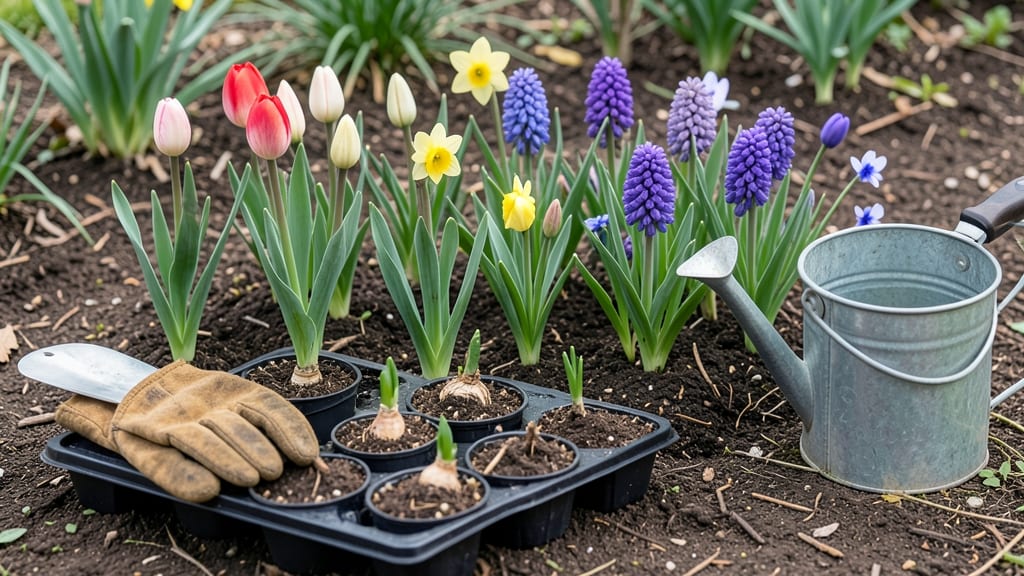
Planting flowers in spring is all about timing—get it right, and you’ll have a garden bursting with color by summer.
Timing your spring flower planting wrong can mean wilted dreams before blooms even appear—but knowing your USDA zone and frost dates unlocks vibrant gardens all season long.
For most regions, like Zone 6a, wait until after the last frost—typically mid-April to May—when soil temperatures hit 60°F. But bulbs like tulips need a head start: plant them 6 weeks before frost for early blooms.
Below, I’ll break down exact deadlines by zone, how to prep your soil, and which flowers thrive when planted early versus late spring.
USDA zone planting deadlines for spring flowers: when to start seeds vs transplants
Timing your spring flower planting is all about understanding your USDA zone and average last frost date.
In cold zones (3-5), you might start seeds indoors as early as February for tender varieties like petunias, while hardy flowers (pansies, violas) can often handle direct sowing just before the last frost.
In warmer zones (8-10), you can plant directly into the garden as early as January for some varieties, avoiding the heat stress of summer planting.
Every zone has its own critical temperature thresholds. For example, tender annuals (geraniums, impatiens) need soil temperatures above 60°F (15°C) to germinate, while cold-hardy perennials (coneflowers, black-eyed Susans) can tolerate soil temps as low as 40°F (4°C).
Knowing these thresholds helps you plan whether to start seeds indoors or wait for soil warming.
Here's a quick guide to help you visualize the planting deadlines by zone for both seeds and transplants:
| USDA Zone | Last Frost Date | Start Seeds Indoors | Transplant Outdoors | Direct Sow After Frost |
|---|---|---|---|---|
| 3-4 | May 1-15 | Feb 15-March 15 | April 15-May 1 | May 15-June 1 |
| 5-6 | April 15-May 1 | March 1-April 1 | April 15-May 15 | May 1-June 1 |
| 7-8 | March 15-April 1 | Feb 15-March 1 | March 15-April 30 | April 1-May 15 |
| 9-10 | January 15-February 15 | January 1-February 1 | February 15-April 1 | February 15-March 15 |
| ⚠️ Note: Adjust for microclimates and late frosts using row covers | ||||
For cold-hardy flowers like pansies and snapdragons, you can often sow directly into the garden 2-4 weeks before your last frost date. These cool-season flowers thrive in temperatures as low as 30°F (-1°C) and may even rebloom in fall.
In contrast, tender annuals (petunias, geraniums, marigolds) require warmer soil (60°F+) and should wait until 2 weeks after your last frost.
In zones 3-5, I recommend starting petunias, impatiens, and begonias indoors in late February to give them a 6-8 week head start before transplanting. These heat-loving flowers need time to establish roots before facing summer heat.
Meanwhile, hardy perennials (coneflowers, black-eyed Susans) can be planted directly into the garden in early spring as soon as the soil is workable.
If you're in zones 8-10, you have a longer window to plant, but be mindful of summer heat stress. Fall planting (August-September) is ideal for many varieties to avoid midday sun intensity.
For example, geraniums and salvias can be planted as early as January in these zones, but marigolds should wait until February-March to avoid bolting in the heat.
Pro tip: Use a soil thermometer to confirm when your soil has warmed to the minimum germination temperature for your flowers. For most annuals, this is 60-65°F (15-18°C). If your soil is still cold, hold off on planting or use black plastic mulch to warm it faster.
This is especially critical in northern zones (3-5) where spring soil warming can be slow.
Another key factor is daylength. Many spring-blooming flowers (like tulips and daffodils) need longer daylight hours to trigger blooming. Planting them too early in short-day zones (3-5) might delay or reduce flowering. Aim to plant bulbs in fall (for spring blooms) or seeds in
How to adjust planting times for late frosts and microclimates
Late frosts and microclimates can turn your carefully planned spring garden into a frost-bitten disappointment. Even if your USDA zone suggests planting in early April, a sudden 28°F dip can wipe out tender seedlings overnight. The key is adapting your schedule using simple tools and smart plant choices.
Microclimates—like the urban heat island effect—create pockets where temperatures differ dramatically. A south-facing wall might be 10°F warmer than your open garden bed, allowing you to plant heat-loving marigolds weeks earlier. Meanwhile, low-lying areas stay colder longer, delaying planting for frost-sensitive petunias.
⚠️ WARNING: Late Frost Risks
Even hardy perennials like pansies can suffer if planted too early. Use these frost date rules:
- Wait until 3 weeks after your average last frost for tender annuals
- Plant cold-hardy bulbs (tulips, daffodils) in fall—they survive winter
- Monitor local forecasts for late-season freezes (common in zones 4-7)
Pro tip: Check your microclimate by placing a minimum-maximum thermometer in suspect spots for 2 weeks.
Row covers and cold frames are your best friends when extending seasons. Lightweight floating row covers raise temperatures by 5-8°F and protect seedlings from light frosts (28-32°F). For a 10°F buffer, use a mini greenhouse or cloche over individual plants.
Heat-tolerant varieties are another game-changer. Instead of traditional impatiens, try New Guinea impatiens—they thrive in 90°F+ heat and handle brief droughts. Similarly, zinnia and celosia bloom prolifically in full sun and hot, dry conditions.
Urban heat islands can actually work to your advantage. Pavement and buildings absorb heat during the day and radiate it at night, creating warmer microclimates. Plant heat-loving annuals like portulaca or lantana near south-facing walls or driveways to jumpstart your season by 2-3 weeks.
For a foolproof strategy, combine row covers with succession planting. Start cool-season flowers (like snapdragons) under cover 4 weeks before your last frost, then replace them with heat-loving varieties once temperatures stabilize. This double harvest keeps your garden blooming from April to October.