
Blooming
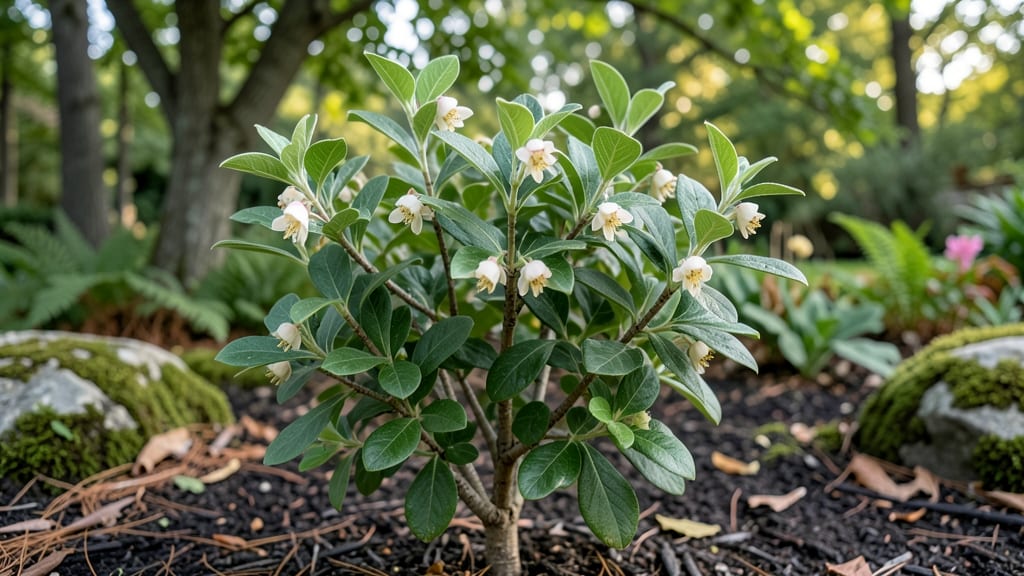
Blueberries flower in late spring, typically between April and May, when those delicate white or pink blossoms signal the start of your harvest season.
But here’s the catch: timing varies by variety and climate, so a Southern Highbush might bloom weeks earlier than a Northern Highbush in your zone. Miss the window, and frost can wipe out the flowers before they set fruit.
In USDA Zone 6a, most blueberries flower in early May, but chill hours and last-frost dates shift that timeline north or south. I’ll break down the exact windows for popular varieties and how to adjust care for your region.
You’ll also learn how to spot flower buds, when to prune for better blooms, and why some bushes skip flowering entirely—plus how to fix it before it’s too late.
Blueberry flowering timeline by variety: early, mid, and late bloomers
Blueberries are famous for their stunning spring flowers, but the exact timing depends heavily on the variety and your climate zone. Early bloomers like 'Duke' can burst into flowers as early as late February, while late varieties like 'Bluecrop' may wait until May.
Understanding these differences helps you plan for cross-pollination and avoid frost damage.
Southern Highbush varieties (e.g., 'Southern Highbush' types) tend to bloom 2-4 weeks earlier than Northern Highbush varieties (e.g., 'Jersey' or 'Bluecrop'). This timing shift is crucial for gardeners in USDA Zones 7-9, where early springs can trigger premature blooming.
Pairing early and mid-season varieties ensures continuous flowering and fruit set.
Rabbiteye varieties like 'Climax' or 'Powderblue' are late bloomers, often waiting until April or May in warmer regions. Their delayed flowering helps avoid late frosts but extends the harvest window into late summer.
For optimal yields, pair early bloomers like 'Duke' with mid-season types like 'Jersey' or late bloomers like 'Bluecrop'.
| Variety | Type | Flowering Time | Chill Hours | Best Pollinators |
|---|---|---|---|---|
| Duke | Southern Highbush | Late February - March | 300-500 | Jersey, Bluecrop |
| Jersey | Northern Highbush | March - Early April | 600-800 | Duke, Bluecrop |
| Bluecrop | Northern Highbush | April - Early May | 700-900 | Duke, Jersey |
| Climax | Rabbiteye | April - May | 500-700 | Powderblue, Tifblue |
| Powderblue | Rabbiteye | Late April - May | 400-600 | Climax, Tifblue |
For gardeners in cooler climates (Zones 3-6), Northern Highbush varieties like 'Bluecrop' and 'Jersey' thrive, blooming in late April to May. These varieties require 600-900 chill hours, making them ideal for regions with cold winters.
In contrast, Southern Highbush types like 'Duke' need far fewer chill hours (300-500) and bloom earlier, perfect for Zones 7-9.
Cross-pollination is key for a reliable harvest. Plant at least two compatible varieties to ensure fruit set. For example, pairing 'Duke' (early) with 'Bluecrop' (late) extends your flowering window by nearly two months.
This strategy also helps mitigate risks from late frosts, which can devastate early bloomers like 'Jersey' if temperatures drop below 28°F.
Monitor your bushes closely in early spring for the first signs of flower buds, which appear as small, swollen nodes along last year’s canes. Once buds swell, expect flowers in 7-14 days, depending on warmth.
Use row covers if frost is forecasted during this vulnerable stage. Mulching with pine needles or wood chips also helps regulate soil temperature and protect roots.
Late bloomers like 'Powderblue' and 'Climax' (Rabbiteye types) are excellent choices for warmer regions (Zones 7-10). Their delayed flowering aligns with later springs and reduces frost risk. These varieties also produce larger berries and are more drought-tolerant once established. Pair them with 'Tifblue' for optimal cross-pollination and extended harvests.
If you’re in a transition zone (Zone 6-7), consider mixing Southern and Northern Highbush varieties to balance early and late blooming. For instance, plant 'Duke' (early) alongside 'Bluecrop' (late) to spread out your flowering and fruiting periods.
This diversity also helps if one variety fails due to pest pressure or disease, ensuring at least some fruit.
Pro tip: Prune your blueberries in late winter or early spring, just before buds swell. Remove dead or weak canes and thin out crowded branches to improve air circulation and sunlight exposure.
This practice encourages healthier flowering and larger berries. Avoid heavy pruning after June, as new growth won’t harden off before winter
How climate Zones affect blueberry flowering: chill hours and heat requirements
Understanding your USDA hardiness zone is key to predicting when blueberries will flower. Blueberries are sensitive to both chill hours and heat requirements, meaning their flowering timing shifts dramatically depending on where you live.
In colder zones like 3–5, bushes need 800–1,000+ chill hours to trigger blooms, while warmer zones like 7–9 may only require 300–500 hours. This difference explains why blueberries in Florida bloom earlier than those in Maine.
Most blueberry varieties flower in late spring, typically between March and May, but the exact timing depends on your local climate. For example, Southern Highbush varieties in Zone 7 often bloom as early as February, while Northern Highbush types in Zone 4 may wait until May.
This variation is critical for gardeners planning cross-pollination or protecting flowers from late frosts.
⚠️ callout-warning
Blueberry flowers are extremely frost-sensitive. A single 28°F night after buds open can kill flowers, delaying or eliminating your harvest. Check your last frost date and plant late-blooming varieties (like 'Bluecrop') in colder zones to avoid frost damage. Use row covers or frost cloth if early blooms appear before your typical frost date.
Chill hours are the number of hours below 45°F a plant needs to break dormancy and flower. Rabbiteye varieties, common in Zones 7–9, thrive with 300–500 chill hours, while Northern Highbush types need 600–1,000+ hours.
If you live in a mild-winter zone (like Zone 9), choose varieties like 'Climax' or 'Premier' to ensure proper flowering. Without enough chill hours, buds may fail to open, leaving you with no flowers—and no berries!
Heat requirements also play a role. Blueberries need warm days (70–80°F) to pollinate successfully, but extreme heat (>90°F) can stress flowers, reducing fruit set. In Zones 8–9, where winters are short, consider half-high varieties like 'Top Hat' or 'Peach Sorbet,' which adapt better to warmer climates.
These varieties often bloom earlier but still produce reliably if given proper care.
Adjusting your planting schedule based on your zone can make a huge difference. In early-spring zones (6–7), plant in late winter to give roots time to establish before blooming. In late-spring zones (4–5), delay planting until early summer to avoid frost damage to new growth.
Always mulch heavily in fall to protect roots from temperature fluctuations, which can stress the plant and delay flowering the following year.
Monitor your local weather patterns and adjust care routines accordingly. For example, in Zone 5, I’ve found that applying a thin layer of straw mulch in late winter helps insulate roots, ensuring a smoother transition into flowering season.
Pair this with a balanced fertilizer in early spring to give your bushes the energy they need for vibrant blooms and a productive harvest.
By aligning your blueberry varieties with your climate zone and understanding their chill hour needs, you’ll maximize your chances of a stunning spring display—and a delicious summer harvest.
Pay attention to your local microclimate, and don’t hesitate to experiment with different varieties to find the perfect fit for your garden! 🌱