
Blooming
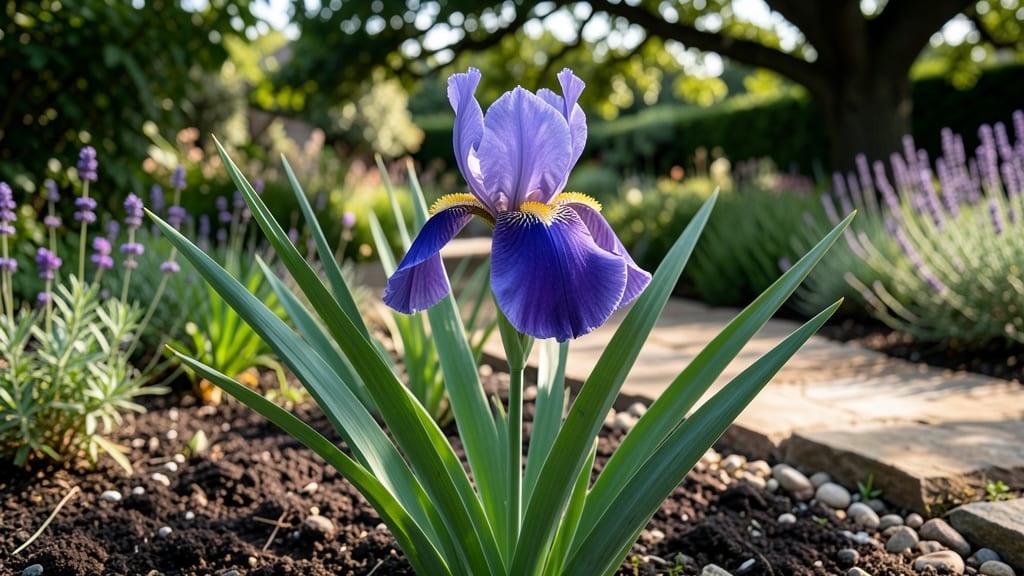
Iris flowers bloom in early to mid-spring, when daylight stretches longer and soil warms just enough to wake their rhizomes from dormancy 🌸.
If you’ve ever wondered why your iris garden seems to burst into color at different times each year—or why some varieties bloom while others don’t—understanding the seasonal triggers behind iris flowering is key to planning your garden’s most stunning displays.
Most irises thrive in USDA Zone 6a, where they typically flower between late March and early May, but climate plays a huge role. Cooler regions may see blooms delayed until May, while warmer areas could enjoy earlier displays as soon as February.
Below, I’ll break down how variety, location, and simple care tweaks can shift bloom times—plus how to coax extra flowers from reblooming types that defy the usual spring-only schedule.
Iris bloom seasons by variety: when and why they flower
Iris flowers are nature’s masterpiece of timing, with each variety following its own seasonal rhythm. While most gardeners associate irises with spring blooms, the truth is far more fascinating. The root-zone temperature and daylight hours trigger their awakening, creating a symphony of color that varies by type.
Understanding these patterns helps you plan your garden for maximum impact—and explains why your neighbor’s irises might bloom weeks before yours!
At the heart of iris flowering lies a delicate balance between dormancy and growth cycles. Most irises enter dormancy in late summer or fall, storing energy to fuel their spring rebirth.
However, some varieties—like reblooming bearded irises—can produce a second flush of flowers in late summer with the right care. The key lies in their natural habitat triggers, which we’ll explore variety by variety.
Here’s what you need to know about the typical bloom windows for popular iris types, along with the climate factors that shift their timing. Use this as your guide to predict when your irises will light up the garden—and how to encourage them to perform their best.
| Variety | Primary Bloom Season | Secondary Bloom (if applicable) | Key Trigger | Notes |
|---|---|---|---|---|
| Bearded Iris | Late April–June | July–August (rebloomers) | 50°F+ root-zone temp | Most popular; needs full sun |
| Siberian Iris | May–June | None | Cool roots (40–50°F) | Tolerates partial shade; drought-resistant |
| Japanese Iris | June–July | None | Moist, cool soil (50–60°F) | Loves boggy conditions; tall stems |
| Dutch Iris | March–April (spring) | September–October (fall, forced) | 12+ hours daylight | Often grown as cut flowers; needs cool storage |
| Louisiana Iris | May–June | None | Warm soil (60°F+) | Thrives in swamps; heat-tolerant |
| Reblooming Bearded Iris | May–June (primary) | August–September (secondary) | Fertilizer + consistent moisture | Requires summer care to rebloom |
Bearded irises, the garden workhorses of the iris world, typically bloom from late April to June in most of the U.S., thanks to their ability to withstand warmer root-zone temperatures (around 50°F). This makes them ideal for spring garden displays, often appearing just as tulips and daffodils fade.
However, reblooming varieties can produce a second flush in late summer if given the right conditions—like balanced fertilization and consistent moisture.
Siberian irises, on the other hand, prefer cooler root zones (around 40–50°F) and bloom slightly later, from May to June. They’re perfect for gardeners in northern climates or those with partial shade, as they tolerate cooler conditions better than bearded irises.
Their delicate, grass-like foliage adds texture to the garden long before their blooms appear, making them a year-round interest plant.
Japanese irises are the late bloomers of the group, typically bursting into color from June to July. They thrive in moist, well-draining soil and prefer cooler temperatures, which is why they’re often found in bog gardens
Climate Zone adjustments: how to predict iris bloom times in your area
Predicting when your iris flowers will bloom depends heavily on your USDA climate zone and local microclimates. In cooler zones (3–5), most iris varieties bloom in late spring to early summer, while warmer zones (8–10) often see blooms in winter or early spring.
Understanding these patterns helps you time plantings and care routines for the best displays.
Your local last frost date and daylight hours are critical triggers. For example, bearded irises in Zone 6 typically bloom in May or June, but in Zone 9, they may flower as early as February or March.
Adjusting for these shifts ensures you’re ready to enjoy their vibrant colors.
- Zone 3–5: Blooms late May–June; plant rhizomes in early fall for root establishment before winter.
- Zone 6–7: Blooms May–early June; adjust for early frosts by choosing hardy varieties like Siberian irises.
- Zone 8–9: Blooms February–April; take advantage of milder winters for earlier color.
- Zone 10: Blooms January–March; ensure well-draining soil to prevent rot in wet winters.
- All Zones: Use microclimates (e.g., south-facing slopes) to extend bloom seasons by 2–4 weeks.
To fine-tune your predictions, track your area’s historical frost dates and note how they align with iris bloom cycles. For instance, if your last frost typically occurs around April 15 (like in Zone 6a), plan to see blooms 4–6 weeks later, assuming ideal conditions.
Use local gardening apps or your county extension office for precise data.
Microclimates can shift bloom times dramatically. A south-facing garden bed might bloom 2 weeks earlier than a shaded area. Try planting a few iris rhizomes in different spots—like near a stone wall or patio that absorbs heat—to test how your microclimates influence timing.
This simple experiment can reveal hidden opportunities for extended displays.
Adjust your watering and fertilization schedules based on bloom predictions. For example, in Zone 4, reduce watering in late summer to encourage dormancy, while in Zone 8, maintain consistent moisture to support winter blooms.
A balanced fertilizer (5-10-10) applied in early spring (just as buds form) can boost flower production.
If you’re eager to enjoy irises year-round, consider reblooming varieties like Japanese or Louisiana irises, which can produce two bloom cycles per season with proper care. In warmer zones, these varieties may even bloom in fall and spring, adding versatility to your garden plan.
Always mulch lightly after blooming to protect rhizomes and encourage next year’s flowers.