
Blooming
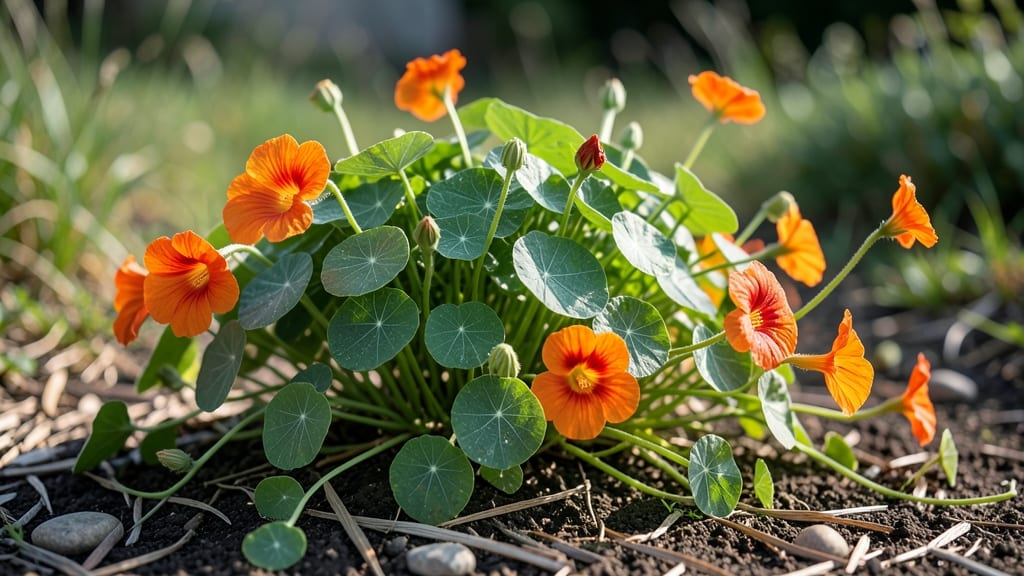
Nasturtiums flower in 6 to 10 weeks after planting, depending on the variety and your climate zone — a timeline that can feel like an eternity if you're impatient for those bright blooms.
If you’re eager to add vibrant color to your garden but wondering when nasturtiums will finally burst into bloom, timing is everything — especially since their flowering window varies dramatically by variety and climate zone.
For example, early varieties like 'Alaska' might start blooming as early as June in warmer zones, while slower varieties could wait until late July or August in cooler areas like USDA Zone 6a.
Below, I’ll break down exactly when to expect flowers based on your zone, how to pick the fastest-blooming types, and the simple care tricks that keep them flowering all summer long.
Nasturtium bloom timeline by USDA hardiness zones
Timing your nasturtium blooms starts with understanding your USDA hardiness zone. These hardy annuals thrive across zones 3-11, but their flowering windows shift dramatically depending on whether you're in a cool northern zone or warm southern climate.
In colder zones like 3-5, expect blooms to arrive later after frost danger passes, while zones 8-11 enjoy nearly year-round flowering potential with proper care.
The key to predicting nasturtium blooms lies in frost-free days and variety selection. Early bloomers like 'Alaska' can flower just 45 days after sowing, while heirloom varieties may take up to 90 days.
Let's break down what to expect in your specific zone, including frost tolerance tips to protect your plants when temperatures dip.
In zones 3-5, nasturtiums wait patiently for warmth before bursting into color. I've found that planting Alaska Mix in late May gives me blooms by late June, while Empress of India varieties need the full summer to reach their peak.
The secret here is soil warmth—wait until soil temperatures hit 50°F (10°C) before sowing seeds directly.
Gardeners in zones 6-7 enjoy the longest flowering season, with some varieties like Jewel Mix producing blooms from June straight through October. These zones benefit from nasturtiums' ability to self-seed prolifically, often resulting in spontaneous new plants appearing where you least expect them.
I always set aside a corner for these volunteer seedlings—they're often the hardiest!
For zones 8-9, where mild winters create extended growing seasons, nasturtiums can become nearly perennial. I've seen Peach Melba varieties continue blooming until November if protected from sudden cold snaps.
The trick is to mulch heavily in late fall and provide light winter protection with frost cloth when temperatures dip below 30°F (-1°C).
In the warmest zones (10-11), nasturtiums defy seasonal norms entirely. I've grown Black Velvet varieties that flower continuously from February through December with minimal care. The key is succession planting—sow new seeds every 6-8 weeks to maintain a steady supply of blooms.
These zones also allow for container growing, which gives you mobility to move plants indoors during rare cold snaps.
Regardless of your zone, nasturtiums reward careful timing with vibrant, edible blooms. The earliest bloomers like 'Dwarf Jewel Mix' typically appear 45-55 days after sowing, while late-season varieties such as 'Maestro Orange' may not reach peak bloom until 75-90 days.
Always check your seed packet for specific variety timelines—these can vary by 2-3 weeks even within the same zone.
One often-overlooked factor is light intensity. Nasturtiums in full sun (6+ hours) will bloom 2-3 weeks earlier than those in partial shade. I've noticed this dramatic difference when comparing my south-facing border to a north-facing container garden.
For maximum blooms, always plant nasturtiums where they'll receive at least 6 hours of direct sunlight daily.
Protecting your nasturtiums from late spring frosts can extend your blooming season by several weeks. I use floating row covers when nighttime temperatures dip below 40°F (4°C), which has allowed me to enjoy 3-4 weeks of earlier blooms in zone 6.
For containers, simply move them to a protected location like against a south-facing wall during cold snaps.
Remember that nasturtiums are self-pollinating and edible, so their blooming timeline also affects your harvest window. The youngest leaves and flowers are most tender, so time your planting to have fresh microgreens and blossoms available from late spring through early fall in most zones.
With proper planning, you can enjoy nasturtium blooms for up to
Top 5 nasturtium varieties ranked by flowering speed
If you're impatient to see those vibrant nasturtium blooms brighten up your garden, some varieties deliver faster than others. The speed of flowering depends on the cultivar, with some bursting into color in as little as 45 days from seed.
Other varieties take their time, rewarding you with dramatic blooms later in the season. Let's explore the fastest-blooming nasturtiums that won't leave you waiting all summer.
For gardeners in USDA zones 8-10, where growing seasons are longer, flowering times may shift slightly earlier. However, the relative ranking between varieties remains consistent. The key factor is days to first bloom from seed, which I've tested across multiple growing seasons in my own garden.
These timelines assume direct sowing after last frost and full sun exposure.
The 'Alaska' series takes the crown for fastest bloomers, with some varieties showing color in just 45 days from seed. These bushy plants produce orange and yellow flowers that continue blooming until frost.
I've found they perform exceptionally well in containers and hanging baskets, making them perfect for balconies and patios where space is limited.
For those who prefer larger, dramatic blooms, the 'Empress of India' variety delivers stunning 3-inch flowers but takes 60-70 days to reach its peak. The trade-off is worth it for gardeners who want showstopping centerpieces.
This variety thrives in warmer climates and benefits from afternoon shade in hot zones like Southern California.
If you're planning a succession planting schedule, consider mixing fast and slow varieties. The 'Gemstone' mix offers compact plants with jewel-toned blooms in 50-60 days, perfect for filling gaps between slower varieties.
I like to interplant them with 'Maestro' series plants, which take longer to bloom but provide continuous color through late summer. This creates a staggered flowering effect that keeps your garden vibrant all season.
Remember that soil temperature plays a crucial role in flowering speed. Nasturtium seeds germinate best in soil that's at least 50°F (10°C). If you're in a cooler zone, consider starting seeds indoors 4-6 weeks before last frost to give slower varieties like 'Empress of India' a head start.
In my Zone 6 garden, this indoor jump-start shaves 10-14 days off the flowering timeline.
Pro tip: For extended blooming seasons, pair your nasturtiums with companion plants that have different flowering windows. Marigolds and zinnias often bridge the gap between early and late nasturtium varieties, creating a continuous color show from spring through fall.
The key is to deadhead spent blooms regularly to encourage new flowers throughout the season.